Legacy Display Technologies: 6 Proven Strengths Today
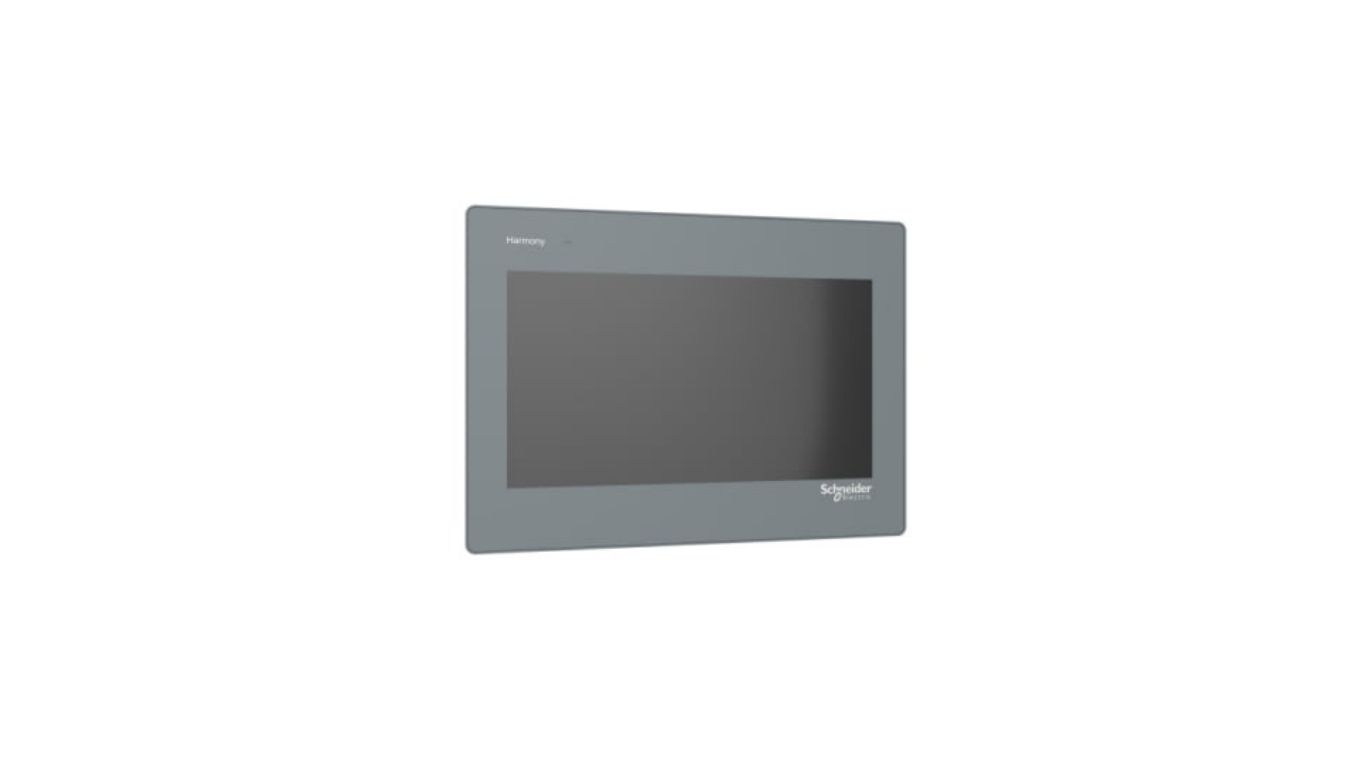
In an era of rapid digital transformation, it is easy to assume older interfaces are obsolete. Yet many industrial environments still rely on proven solutions that prioritize stability, simplicity, and reliability. Legacy display technologies — such as the HMIET6500 single-touch analogue resistive panel — remain highly relevant in demanding settings, delivering dependable performance where newer technologies may struggle to meet environmental or operational constraints.
Understanding Legacy Display Technologies
Legacy display technologies are interface systems built on mature, well-understood principles, using straightforward input mechanisms, minimal processing, and robust physical components. Rather than being outdated, they are time-tested solutions refined through decades of real-world use. While newer panels chase high resolution and multi-touch, many processes do not need those features, so these displays remain effective without unnecessary complexity.
1. Reliability in Harsh Environments
Industrial settings expose equipment to dust, moisture, temperature swings, vibration, and electrical noise. Legacy display technologies handle these conditions well — their simpler construction and lower sensitivity to interference make them more resilient than some modern alternatives that depend on delicate components.
2. Consistent Performance Over Time
A major advantage is predictable behavior. Fewer software dependencies and simpler electronics reduce the likelihood of unexpected failures, which is critical in continuous production. Operators and maintenance teams value systems that perform consistently over long periods.
3. Easy Integration With Existing Systems
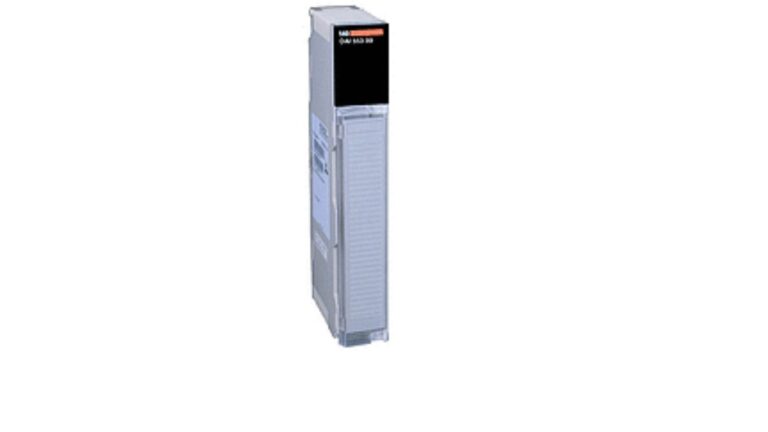
Many facilities run control systems installed years or decades ago. Legacy display technologies integrate seamlessly with this existing infrastructure and with components like the 140DAO84210 Modicon Quantum output module. Replacing them with modern systems can require extensive redesign, retraining, and validation, raising cost and downtime.
4. Cost Efficiency and Long-Term Value
Legacy HMI displays are often more affordable, with lower hardware costs and no need for powerful processors. Over an equipment lifespan, they typically require less frequent servicing and fewer updates, and their durability and simple design contribute to lower total cost of ownership — attractive for long-term operations.
5. Operator Familiarity and Reduced Error
Many legacy displays are designed around simple, direct interaction using proven resistive touchscreen input that even works with gloves. Operators understand them quickly without extensive training — valuable where staff turnover is high — and by focusing on essential information, they reduce the risk of human error.
6. Longevity and Supply Chain Stability
Industrial equipment is expected to run for many years, and legacy display technologies often have long production lifecycles, ensuring availability of compatible replacements and spare parts. Because these technologies are widely adopted, supply chains are stable, so organizations can plan maintenance and expansions with confidence.
When Legacy Technologies Outperform Modern Alternatives
Not every application benefits from advanced visual features. Where gloves are worn, precision input is less critical, or displays must function under extreme conditions, legacy solutions often outperform modern touchscreens. Industrial equipment is built to perform tasks efficiently, and these displays align with that by emphasizing functionality, clarity, and robustness over appearance. Extending the use of reliable, long-lasting technology also reduces electronic waste.
Planning a Gradual Migration Path
Keeping older panels in service does not rule out modernisation. Many sites run a hybrid approach, retaining proven units on stable machines while fitting newer interfaces where richer graphics or remote access genuinely add value. Documenting wiring, spare-part sources, and configuration settings makes any future swap predictable rather than disruptive. Stocking a few critical spares protects against unexpected downtime, and training staff on both old and new interfaces smooths the transition. This measured strategy captures the dependability of mature hardware today while leaving a clear, low-risk route to upgrade individual stations whenever the process actually demands it.
Conclusion
Legacy display technologies continue to play a vital role in modern industrial equipment by offering reliability, simplicity, and cost efficiency. Their ability to integrate with established systems, withstand harsh conditions, and support operator productivity makes them indispensable in many applications, working alongside components like the 140DAO84210 Modicon Quantum output module for stable, long-term success. Browse our HMI and display range to find the right fit.
What are legacy display technologies?
Legacy display technologies are mature interface systems — like resistive touch panels — built on well-understood, robust principles. They use simple input and durable components, and remain widely used in industry for their reliability.
Why are legacy displays still used in industry?
They offer predictable performance, resist harsh conditions, integrate easily with older control systems, and cost less to buy and maintain. For many processes that don’t need advanced graphics, they’re the more practical, reliable choice.
Do legacy displays work with modern control systems?
Yes. They integrate seamlessly with established infrastructure and standard components, and they can coexist with modern systems — each used where it performs best — avoiding costly full redesigns.
When do legacy displays outperform modern touchscreens?
In environments where operators wear gloves, precision input is less critical, or displays face extreme heat, dust, or vibration. Their simple, rugged design often proves more dependable than delicate modern touchscreens there.