Smart Energy Monitoring Solutions for Modern Industrial Efficiency Improvements
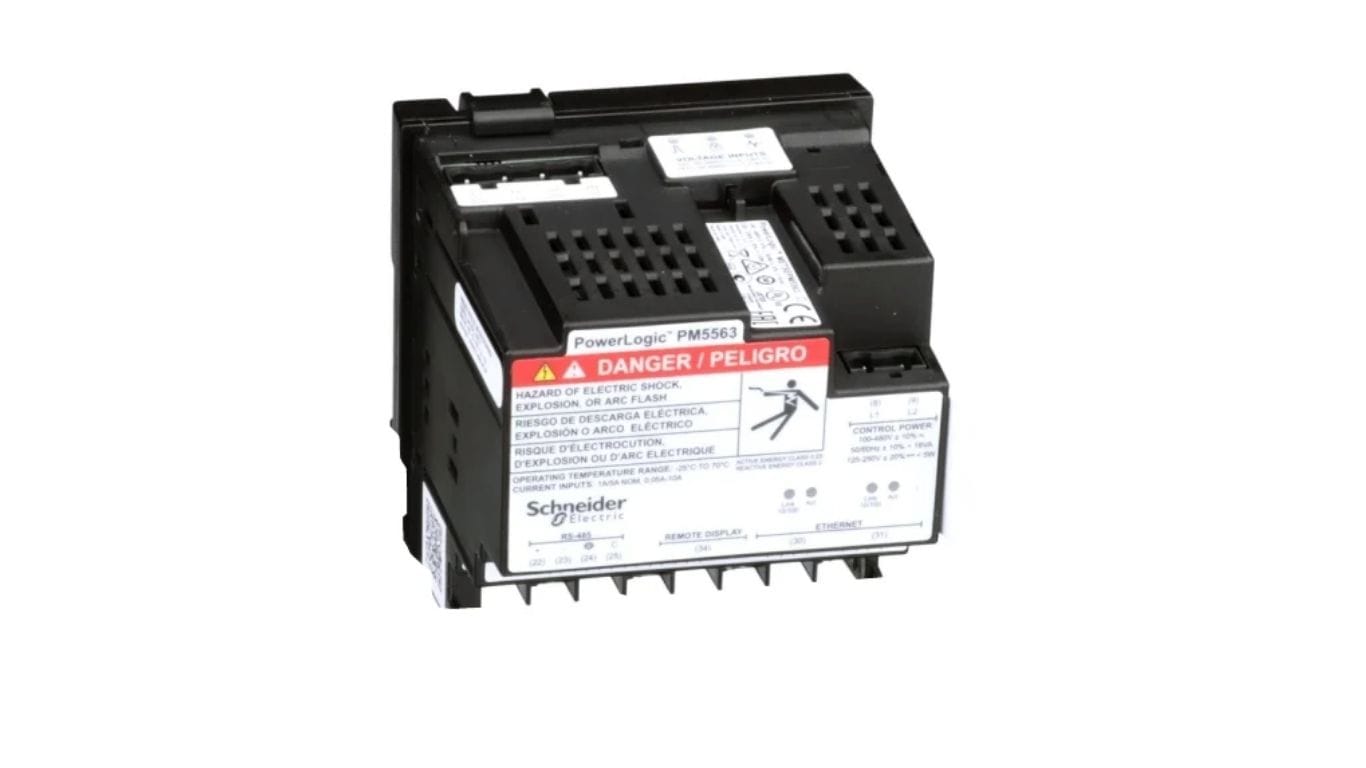
Industrial facilities today are under increasing pressure to cut energy costs, boost operational efficiency, and achieve sustainability targets. Smart energy monitoring solutions have become essential in tackling these challenges effectively. By incorporating advanced technologies like METSEPM5563 power meter PowerLogic PM5563, 2 ethernet, industries can monitor power usage in real time, uncover inefficiencies, and make informed decisions that improve productivity while minimizing energy waste.
The Importance of Energy Monitoring in Industry
Energy is one of the largest operational expenses in industrial environments. Without proper monitoring, organizations often struggle to understand where and how energy is being consumed. Smart monitoring systems provide detailed insights into energy usage patterns, helping facility managers detect anomalies, prevent downtime, and optimize resource allocation.
These systems not only improve efficiency but also support compliance with regulatory standards and environmental targets. By tracking key parameters such as voltage, current, power factor, and energy consumption, industries can ensure stable and reliable operations.
How Smart Monitoring Systems Work
Real-Time Data Collection
Modern monitoring solutions use intelligent devices to collect real-time electrical data from different parts of a facility. This data is then transmitted to centralized systems where it can be analyzed and visualized.
Data Analysis and Insights
Advanced analytics tools process the collected data to identify trends, inefficiencies, and potential issues. This enables proactive maintenance and helps avoid costly equipment failures.
Integration with Automation Systems
Smart monitoring systems can integrate with existing automation platforms, allowing seamless control and optimization of energy usage across the facility.
Benefits of Smart Energy Monitoring
Improved Energy Efficiency
By identifying areas of excessive consumption, organizations can implement targeted strategies to reduce energy usage and improve overall efficiency.
Cost Savings
Accurate monitoring helps reduce unnecessary energy expenses by eliminating waste and optimizing operations.
Enhanced Equipment Performance
Monitoring electrical parameters ensures that equipment operates within safe limits, reducing wear and tear and extending lifespan.
Better Decision-Making
Access to real-time and historical data enables managers to make informed decisions regarding energy management and operational improvements.
Role of Advanced Power Measurement Devices
In industrial environments, advanced measurement devices play a vital role in ensuring accurate data collection and analysis. Solutions like METSEPM5563 power meter PowerLogic PM5563, 2 ethernet are designed to provide precise energy measurements and seamless communication capabilities. These devices support real-time monitoring, enabling industries to track performance, detect irregularities, and maintain optimal efficiency across operations.
Key Features to Look for in Monitoring Solutions
Connectivity Options
Modern systems should support multiple communication protocols, allowing easy integration with existing infrastructure.
Scalability
As industrial operations grow, monitoring solutions must be able to scale accordingly without compromising performance.
User-Friendly Interface
A clear and intuitive interface ensures that users can easily interpret data and take appropriate actions.
Data Accuracy
High precision in measurement is essential for reliable analysis and decision-making.
Common Alerts, Alarms, and Errors
Effective monitoring systems provide alerts and alarms to notify users of potential issues. Below is a table outlining common alerts, their possible causes, and recommended actions.
| Alert/Alarm/Error | Possible Cause | Recommended Action |
| Overvoltage Warning | Voltage exceeds safe limit | Check supply source and stabilize voltage |
| Undervoltage Alarm | Voltage drops below threshold | Inspect load conditions and connections |
| Overcurrent Alert | Excessive current flow | Identify overloaded circuits |
| Power Factor Low | Inefficient energy usage | Install correction equipment |
| Communication Failure | Network or connection issue | Verify cables and network configuration |
| Device Overheating | High temperature conditions | Improve ventilation and reduce load |
| Data Logging Error | Storage or configuration issue | Check memory settings and system logs |
| Frequency Fluctuation | Unstable power supply | Inspect grid stability |
| Phase Imbalance | Uneven load distribution | Balance loads across phases |
| System Fault Alarm | Internal device malfunction | Perform diagnostics and maintenance |
Implementing Smart Monitoring in Industrial Facilities
Assessment and Planning
Before implementing a monitoring system, it is essential to assess the facility’s energy requirements and identify key areas for improvement.
Installation and Integration
Proper installation ensures accurate data collection, while seamless integration with existing systems maximizes efficiency.
Training and Maintenance
Employees should be trained to interpret data and respond to alerts effectively. Regular maintenance ensures long-term reliability.
Future Trends in Energy Monitoring
The future of energy monitoring lies in the integration of artificial intelligence and predictive analytics. These technologies will enable systems to not only detect issues but also predict them before they occur. Additionally, cloud-based platforms will allow remote monitoring and control, making energy management more flexible and accessible.
Conclusion
Smart energy monitoring solutions are transforming the way industries manage their power consumption. By providing real-time insights, improving efficiency, and reducing costs, these systems have become an essential component of modern industrial operations. Advanced devices such as METSEPM5560 – power meter PowerLogic PM5560 further enhance monitoring capabilities, ensuring accurate data collection and reliable performance. As technology continues to evolve, industries that adopt smart energy monitoring will be better positioned to achieve sustainable growth and operational excellence.