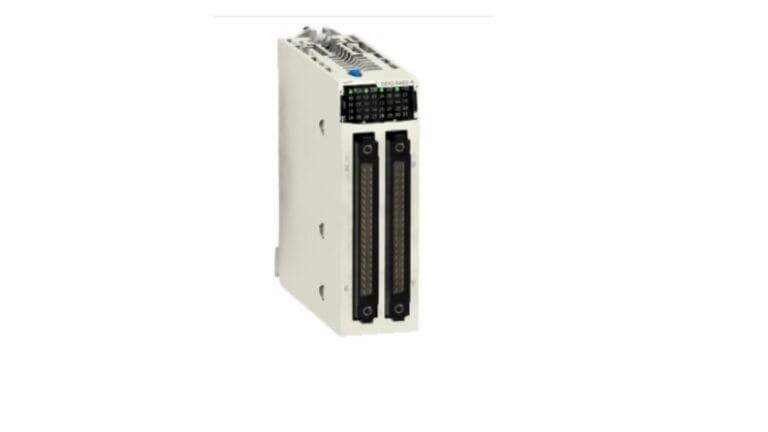
Intelligent Monitoring Tools Improving Operational Control in Power Networks
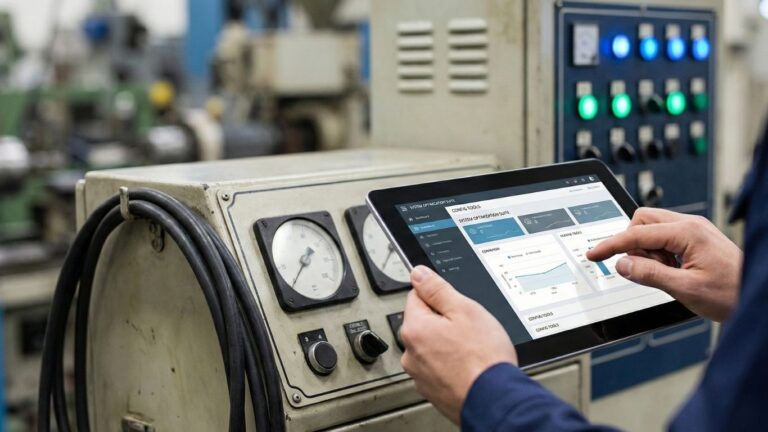
Power networks whether inside a single industrial facility or across a distributed utility system depend on visibility to stay reliable. Operators can’t manage what they can’t measure, and as networks grow more complex, the tools used to monitor them have evolved well beyond simple analog gauges. Intelligent monitoring tools now combine real-time measurement, communication, and decision-support logic to give operators far tighter control over network performance.
What Makes a Monitoring Tool “Intelligent”
Traditional metering provides a static reading — voltage, current, or power at a given moment. Intelligent monitoring tools go further, combining measurement with onboard logic, communication protocols, and often configurable alarming, so the device itself can flag abnormal conditions rather than relying solely on a human operator to notice a deviation on a screen.
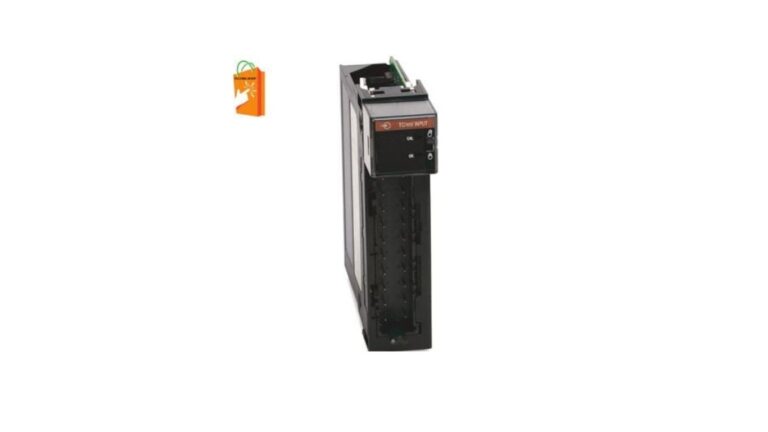
Devices like the METSEPM8210 provide this kind of multi-parameter monitoring — voltage, current, power factor, harmonics, and demand — combined with communication capability that allows the data to flow directly into a broader monitoring or SCADA system.
Real-Time Visibility Across Distributed Assets
In facilities or networks with equipment spread across multiple areas, intelligent monitoring tools let operators maintain a consolidated, real-time view without needing to physically inspect each device. Panel meters such as the Apollo control meter provide local display alongside networked data output, giving both on-site technicians and remote operators access to the same live readings.
Protective Relays as Intelligent Monitoring Devices
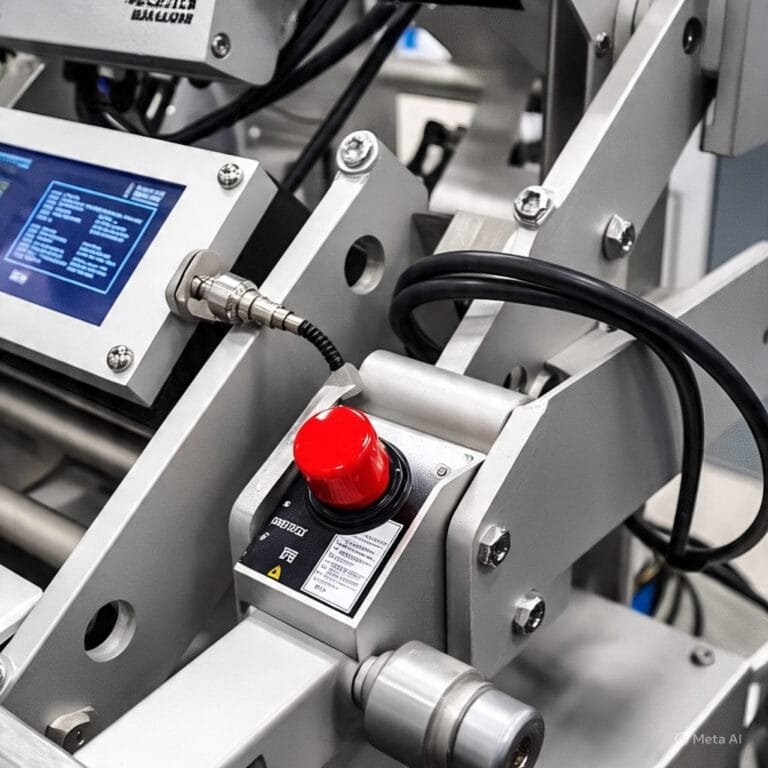
Beyond simple metering, intelligent protective relays like the DSE331 combine monitoring with automatic protective response — tracking parameters like frequency, voltage, and synchronization status, and taking action (such as tripping a breaker or blocking a connection) when conditions fall outside safe limits. This blurs the line between passive monitoring and active network protection, giving operators automated safeguards that don’t depend on a human catching a problem in time.
Data-Driven Operational Decisions
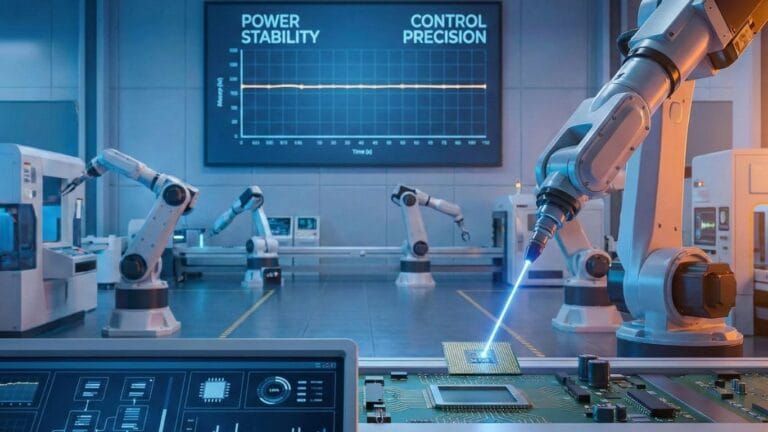
Access to continuous, accurate data changes how operational decisions get made. Rather than reacting to failures after they occur, teams using intelligent monitoring tools can identify trends — a slowly worsening power factor, a developing voltage imbalance, an unusual load pattern — and address them proactively. This shift toward proactive management is one of the central themes in smart energy monitoring for industrial efficiency.
Integration Across Multiple Monitoring Layers
Intelligent monitoring is most effective when different layers of the network — metering, protective relaying, and communication infrastructure — work together rather than in isolation. A facility that combines quality meters, protective relays, and a networked communication backbone gets a far more complete operational picture than one relying on any single layer alone.
Choosing the Right Intelligent Monitoring Tools
Selection depends on the specific role the device needs to play:
- Multi-parameter power meters for general electrical performance visibility
- Protective relays for automated response to abnormal network conditions
- Panel meters with networked output for combined local and remote visibility
- Communication gateways to tie individual devices into a unified monitoring platform
Frequently Asked Questions
Q: What’s the difference between a power meter and a protective relay? A: A power meter primarily measures and reports electrical parameters, while a protective relay monitors those parameters and can automatically take action, such as tripping a breaker, when unsafe conditions are detected.
Q: Can intelligent monitoring tools reduce unplanned downtime? A: Yes — by detecting abnormal trends or conditions early, intelligent monitoring allows maintenance or corrective action to happen before a full failure occurs.
Q: Do intelligent monitoring devices require a network connection to be useful? A: Local display and alarming provide value on their own, but networked connectivity significantly expands their usefulness by enabling remote visibility and centralized data analysis.
Q: How do I know which monitoring device fits my application? A: It depends on whether you need general power quality visibility, protective response, or both — matching the device’s function to your specific operational risk is the key selection factor.