Modern PLC Technologies Driving Smart Factory Innovation and Efficiency
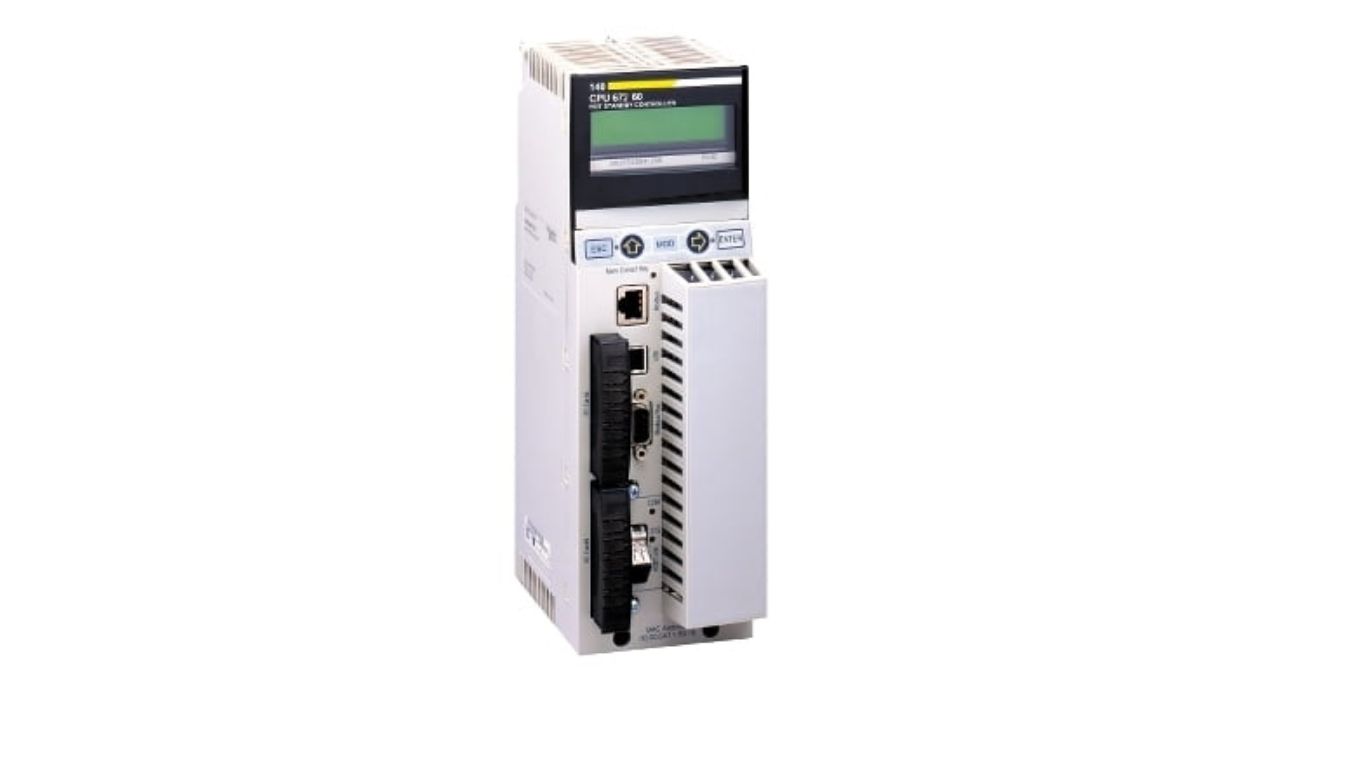
Industrial automation has undergone a massive transformation in recent years, with modern Programmable Logic Controllers (PLCs) playing a central role in enabling smart factory environments. Advanced systems like the 140CPU67260C Modicon Quantum Automation Platform are designed to enhance efficiency, improve reliability, and support seamless integration across complex industrial operations. As industries move toward digitalization, modern PLC technologies are becoming the backbone of innovation in manufacturing and process control.
This article explores how PLC advancements, including solutions such as the 140CPU67260C Modicon Quantum Automation Platform, are driving smart factory innovation, highlights key features of modern controllers, and provides insights into common alerts, alarms, and errors associated with such systems.
The Role of PLCs in Smart Factories
Intelligent Automation and Control
PLCs are essential for automating industrial processes by controlling machinery, monitoring inputs and outputs, and ensuring smooth operations. In smart factories, PLCs act as intelligent hubs that connect sensors, machines, and systems into a unified network.
Modern platforms such as the 140CPU67260C Modicon Quantum Automation Platform provide high-speed processing and advanced communication capabilities, enabling real-time decision-making and improved operational efficiency.
Real-Time Data Processing
One of the defining features of modern PLCs is their ability to process large volumes of data in real time. This allows industries to monitor performance, detect anomalies, and respond quickly to changing conditions.
Systems equipped with processors like the 140CPU67261 – Unity Hot Standby processor ensure continuous operation by providing redundancy and minimizing downtime, which is critical in high-demand industrial environments.
Key Features of Modern PLC Technologies
High-Speed Processing and Performance
Modern PLCs are designed with powerful processors that can handle complex logic and large-scale operations. This ensures accurate and fast execution of tasks, reducing delays and improving productivity.
Advanced platforms like the 140CPU67260C Modicon Quantum Automation Platform support high-performance computing, making them suitable for demanding industrial applications.
Redundancy and Reliability
Reliability is a critical factor in industrial automation. Modern PLC systems incorporate redundant configurations to ensure continuous operation even in case of hardware failure.
The 140CPU67261 – Unity Hot Standby processor is an example of a redundancy-enabled solution that allows seamless switching between primary and backup systems, minimizing disruptions.
Advanced Communication Capabilities
Smart factories rely on interconnected systems. Modern PLCs support multiple communication protocols, enabling integration with:
- Industrial networks
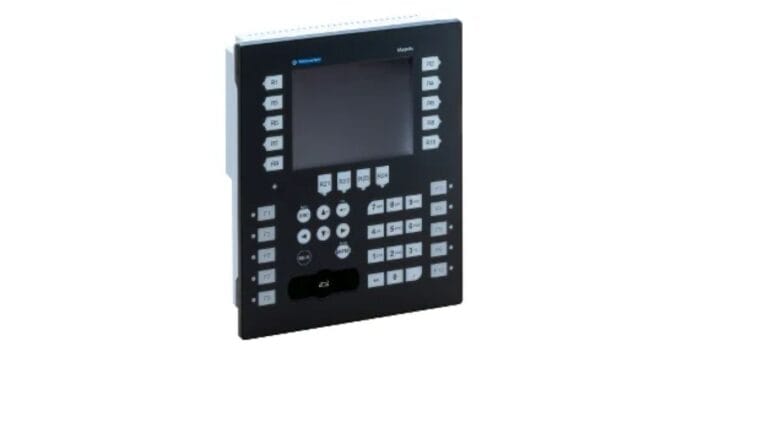
- Human-machine interfaces (HMIs)
- Supervisory control systems
- Cloud-based platforms
This connectivity ensures smooth data flow and coordination across all levels of production.
Scalability and Flexibility
Modern PLC systems are highly scalable, allowing industries to expand operations without replacing existing infrastructure. Modular designs make it easier to add new components and adapt to changing production requirements.
Impact on Smart Factory Innovation
Enhanced Productivity
By automating repetitive tasks and optimizing workflows, PLCs significantly increase production efficiency. Real-time monitoring and control help reduce errors and improve output quality.
Predictive Maintenance
Modern PLCs enable predictive maintenance by analyzing data from sensors and equipment. This helps identify potential issues before they lead to failures, reducing downtime and maintenance costs.
Energy Efficiency
Smart PLC systems optimize energy consumption by controlling equipment usage and reducing waste. This contributes to sustainable manufacturing practices and cost savings.
Improved Safety
Safety is a top priority in industrial environments. PLCs monitor system conditions and trigger alarms or shutdowns when necessary, ensuring a safe working environment for operators.
Common Alerts, Alarms, and Errors in PLC Systems
Like any advanced system, PLCs may encounter alerts, alarms, or errors during operation. Understanding these issues helps in quick troubleshooting and maintaining system reliability.
Table: Common Alerts, Alarms, and Errors
| Type | Issue Description | Possible Cause | Recommended Action |
| Alert | Communication Delay | Network congestion or cable issue | Check network connections and bandwidth |
| Alert | High CPU Usage | Complex logic or overload | Optimize program and reduce load |
| Alarm | Power Supply Failure | Voltage fluctuation or hardware fault | Inspect power source and replace faulty parts |
| Alarm | Temperature Warning | Overheating of controller | Improve ventilation or cooling system |
| Error | CPU Fault | Internal processor malfunction | Restart system or replace CPU module |
| Error | Memory Overflow | Excessive data or improper programming | Optimize memory usage and program structure |
| Alarm | I/O Module Failure | Faulty input/output module | Replace or reconfigure module |
| Alert | Communication Timeout | Device not responding | Check device status and communication settings |
| Error | Firmware Mismatch | Incompatible software version | Update firmware to compatible version |
| Alarm | Redundancy Failure | Backup system not synchronized | Check standby processor configuration |
Best Practices for Optimizing PLC Performance
Regular System Maintenance
Routine maintenance ensures that PLC systems operate efficiently. This includes checking hardware components, updating software, and monitoring system performance.
Proper Programming Techniques
Efficient programming reduces CPU load and minimizes errors. Structured and optimized code improves system reliability and performance.
Monitoring and Diagnostics
Using advanced monitoring tools helps detect issues early. Real-time diagnostics allow operators to address problems before they escalate.
Training and Skill Development
Operators and technicians should be trained in handling modern PLC systems. Proper knowledge ensures quick troubleshooting and effective system management.
Future Trends in PLC Technology
Integration with IoT and AI
Modern PLCs are increasingly integrated with Internet of Things (IoT) and Artificial Intelligence (AI) technologies. This enables smarter decision-making and automation.
Cloud Connectivity
Cloud-based PLC systems allow remote monitoring and control, providing greater flexibility and accessibility for industrial operations.
Enhanced Cybersecurity
As connectivity increases, cybersecurity becomes essential. Future PLC systems will focus on protecting data and preventing unauthorized access.
Conclusion
Modern PLC technologies are transforming industrial automation by enabling smart factory innovation and improving operational efficiency. With advanced features such as high-speed processing, redundancy, and real-time data analysis, PLC systems play a crucial role in enhancing productivity, safety, and sustainability.
Technologies like the 140CPU67260C Modicon Quantum Automation Platform and 140CPU67261 – Unity Hot Standby processor demonstrate how modern solutions can deliver reliable and scalable performance in complex industrial environments. By understanding system capabilities and addressing common alerts and errors, industries can maximize the benefits of PLC technology and stay competitive in an increasingly automated world.