A Complete Guide to Enhancing Efficiency in Industrial Machinery
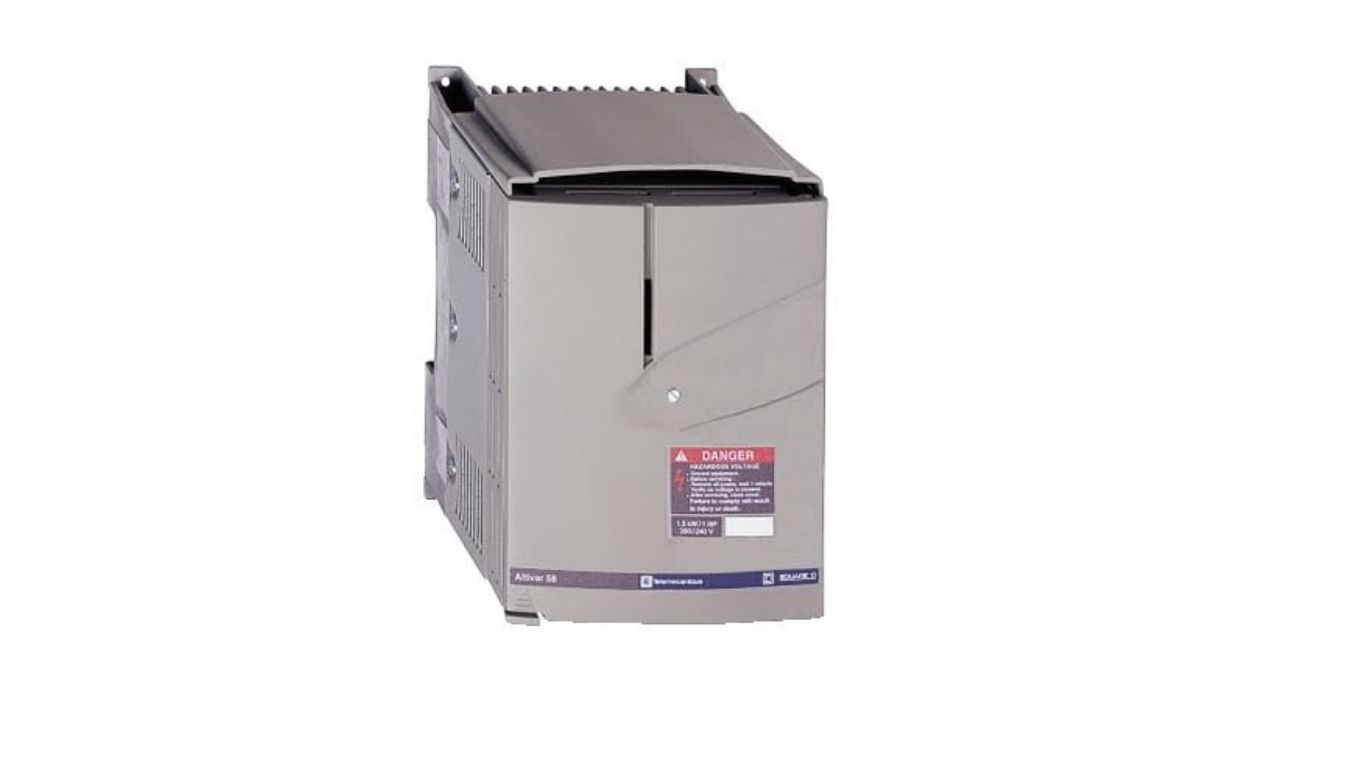
Improving the performance and reliability of industrial equipment has become a top priority across manufacturing sectors. From reducing energy consumption to optimizing workflow, every adjustment contributes to higher productivity. Technologies such as the ATV58HD12N4 – adjustable speed drive ATV-58H play a major role in enhancing machine control and improving operational accuracy, especially in environments where precision is essential.
Why Industrial Efficiency Matters
Industrial efficiency is not just about increasing output—it is also about minimizing downtime, reducing wear on equipment, and lowering operational costs. Whether an organization runs small-scale workshops or large automated facilities, even small improvements in machine behavior can generate substantial gains.
Cost Savings Through Better Control
Energy use is often one of the largest expenses in industrial operations. Machines that run at full speed constantly, without regulating their output, consume far more electricity than necessary. By adopting more refined control systems, facilities can adjust equipment speed and workload, leading to significant reductions in energy waste.
Increased Lifespan of Machinery
When machines operate with optimized control, mechanical stress decreases. As a result, motors, belts, bearings, and other components experience less wear and require fewer repairs. This increases reliability and prevents costly downtime.
The Role of Modern Control Systems in Efficiency
The backbone of efficient industrial machinery lies in precise control systems. These systems help manage speed, torque, pressure, temperature, and workflow timing.
Speed Control for Better Output
One of the most effective ways to improve efficiency is through adjustable speed mechanisms. These allow machines to operate based on demand rather than running at maximum capacity at all times. Variable control also makes it easier to adapt to changes in production needs.
Enhanced Torque Regulation
Regulating torque helps prevent damage to machinery and ensures smooth performance. Sudden spikes or drops in load can cause mechanical failure or reduce output quality. Advanced control methods eliminate these risks by maintaining steady torque levels.
Automation for Consistency
Automation provides uniformity, reduces human error, and improves repeatability. Automated systems can monitor performance continuously and adjust machine behavior instantly, leading to more consistent production cycles.
Maintenance Strategies That Improve Efficiency
While technology enhances operational capabilities, maintenance ensures long-term stability. Efficient machinery must be properly serviced, monitored, and managed.
Regular Preventive Maintenance
Preventive maintenance includes scheduled inspections, cleaning, lubrication, and part replacement. This approach helps detect problems early and prevents unexpected system failure.
Predictive Monitoring with Sensors
Predictive systems use sensors to track vibration, temperature, load changes, and operational cycles. When data indicates abnormal conditions, maintenance teams can act before failures occur. This reduces downtime and enhances the reliability of equipment.
Record Keeping and Analytics
Maintaining detailed performance records allows organizations to analyze long-term trends. These insights help refine processes and determine which machines need upgrades or more frequent servicing.
Energy Optimization Techniques
Energy efficiency is critical in operations where machines run continuously. Implementing the right strategies can significantly reduce electricity consumption while maintaining high output levels.
Reducing Idle Time
Many machines consume energy even when they’re not actively working. Smart programming can automatically slow them down or power them off during idle periods, minimizing unnecessary energy usage.
Optimizing Workflow Layout
Rearranging equipment placement or adjusting workflow sequences can also save energy. Shorter transport paths, smoother transitions, and reduced start-stop cycles help machines work at their highest efficiency levels.
Smart Load Distribution
Balancing loads across multiple machines prevents overload conditions. When loads are balanced, each unit runs more efficiently, avoiding stress and reducing energy consumption.
Integration of Intelligent Controls
Modern industrial environments increasingly rely on digital systems to enhance operations.
Real-Time Monitoring Systems
Real-time data collection allows operators to monitor status, detect faults, and adjust machine performance instantly. This increases reliability and prevents production delays.
Remote Accessibility
Remote monitoring tools offer the ability to track machine performance from any location. This allows supervisors and technicians to diagnose issues quickly, improving response times and maintaining productivity.
Automated Safety Systems
Safety plays a major role in efficiency. Automated safety sensors prevent machines from operating under dangerous conditions, ensuring protection for both workers and equipment.
Upgrading Old Machinery for Better Results
Older machinery can often be enhanced without requiring complete replacement. Upgrading control components, adding sensors, or incorporating modern automation can breathe new life into existing equipment.
Retrofitting for Precision
Retrofitting involves installing new control systems, sensors, or monitoring devices onto older machines. This provides improved performance at a fraction of the cost of a full replacement.
Extending Useful Life
Instead of scrapping old systems, upgrades can extend their life by many years. Enhanced efficiency, stability, and output quality are major benefits of retrofitted solutions.
Better Compatibility with Modern Processes
When older machines are upgraded, they can integrate more smoothly with automated production lines, improving communication across the entire facility.
Final Thoughts on Achieving Maximum Efficiency
Improving industrial machinery efficiency is a continuous process that requires a combination of advanced control technologies, proper maintenance, energy optimization, and smart upgrades. When machines operate smoothly and precisely, production output rises, energy usage falls, and overall costs decline. Facilities that invest in these improvements strengthen both their reliability and long-term performance.
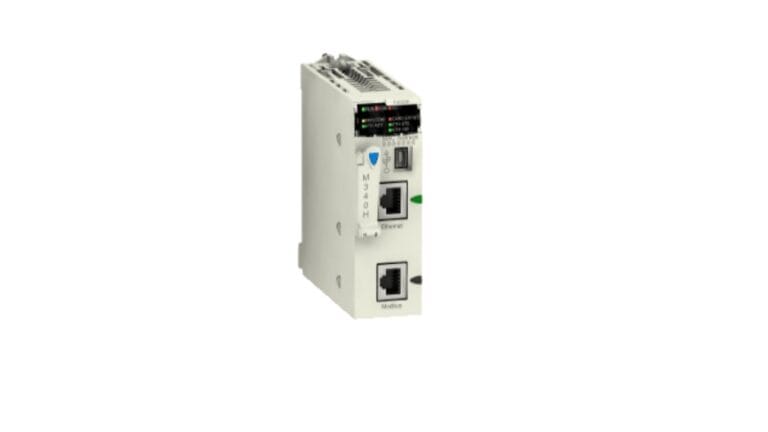
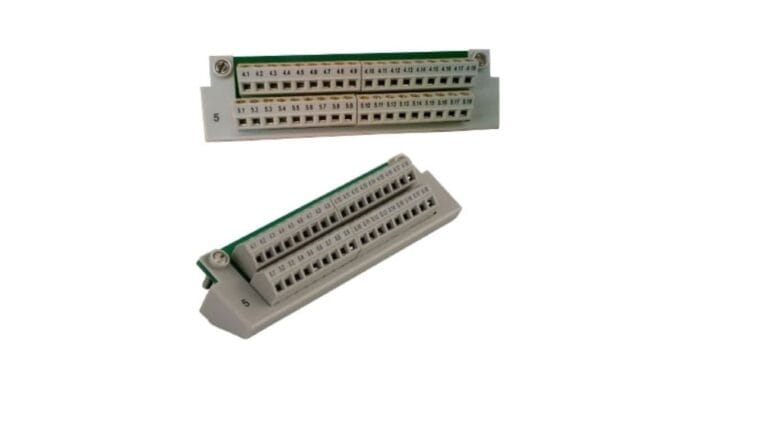
To achieve the highest level of operational success, organizations must integrate intelligent systems, maintain their equipment properly, and adopt innovative control techniques. With thoughtful planning and the right technological enhancements, every industrial environment can achieve higher efficiency and more sustainable performance. As industries continue evolving, advanced automation platforms like the BMXXBE1000 Modicon M340 automation platform will play an increasingly crucial role in shaping future production efficiency.