Best Practices for Maintaining Durable and Efficient Network Connections Longterm
Reliable network connections are the backbone of modern industrial and automation systems. Whether used in manufacturing, energy, or process control environments, stable communication ensures smooth data flow, minimal downtime, and optimal performance. Maintaining these connections over the long term requires proper planning, regular maintenance, and adherence to proven methods.
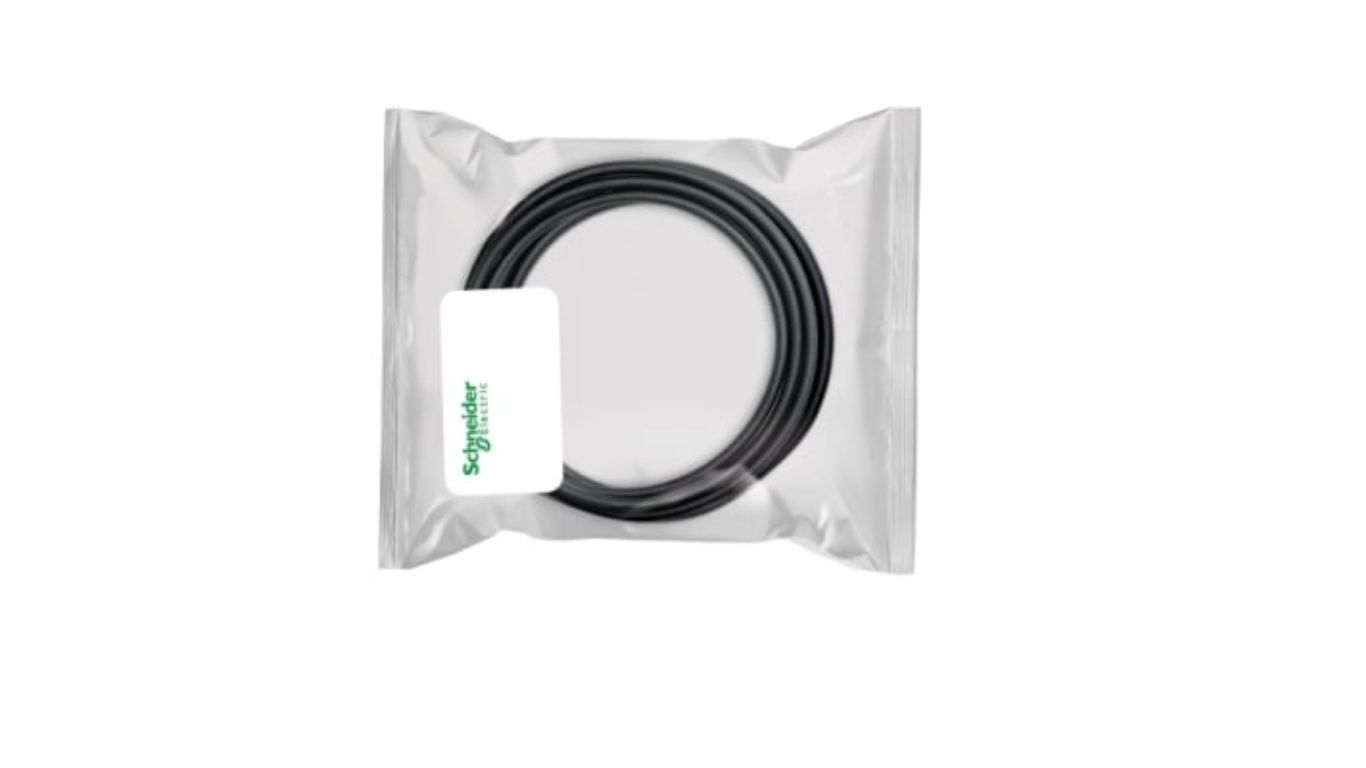
In industrial setups where components like 110XCA28202 Schneider Electric, Communication Cable and 140ACI03000 – analog input module Modicon Quantum are deployed, ensuring durability and efficiency becomes even more critical due to demanding environmental and operational conditions.
Importance of Long-Term Network Reliability
A well-maintained network reduces unexpected failures and enhances productivity. Communication issues can lead to data loss, equipment malfunction, and costly downtime. Focusing on long-term reliability helps extend system life and ensures consistent performance.
Key Factors Affecting Network Durability
Environmental Conditions
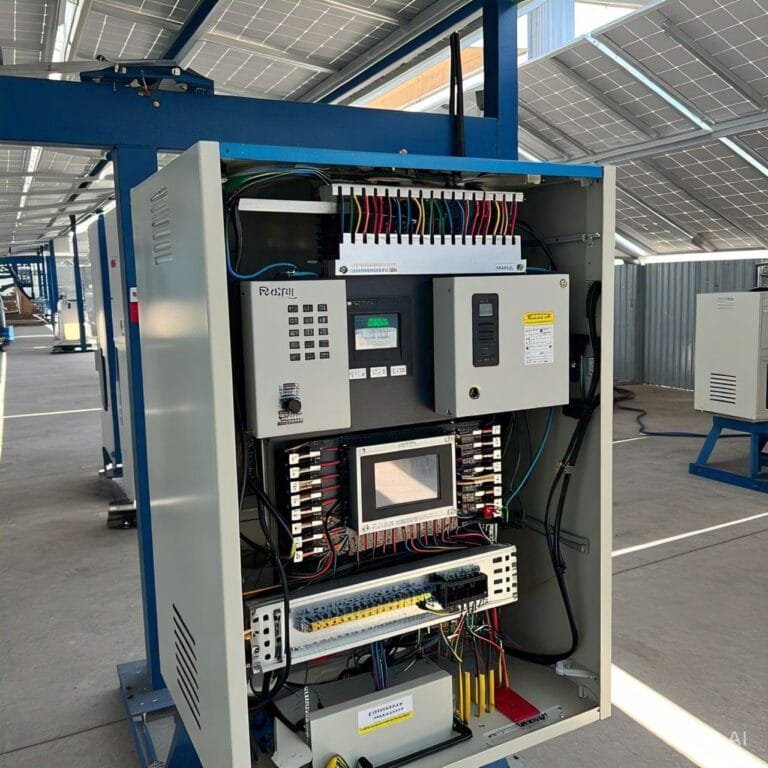
Industrial environments can be harsh, with exposure to heat, moisture, dust, and electromagnetic interference. These factors can gradually degrade network performance if not managed properly. Using protective enclosures and proper shielding helps minimize these risks.
Cable Quality and Installation
The durability of a network heavily depends on cable quality and correct installation. Poor routing or excessive bending can weaken signal transmission over time. Ensuring neat cable management and avoiding stress on connections can significantly improve lifespan.
Regular Inspection and Maintenance
Routine inspections are essential to identify early signs of wear. Checking connectors, testing signal strength, and replacing damaged parts on time prevents major failures and keeps the system running efficiently.
Strategies for Efficient Network Performance
Proper Network Design
An efficient network starts with good design. Structured layouts reduce congestion and improve communication flow. Planning for redundancy ensures that critical operations continue even if one part of the network fails.
Signal Integrity Management
Maintaining signal integrity is crucial for accurate data transmission. Interference and poor grounding can distort signals. Using appropriate shielding and maintaining proper grounding techniques helps maintain stability.
System Updates
Keeping systems updated improves performance and reduces compatibility issues. Updates often include improvements that enhance communication efficiency and system reliability.
Best Practices for Long-Term Maintenance
Documentation and Labeling
Proper documentation simplifies maintenance and troubleshooting. Clearly labeled cables and updated network diagrams make it easier to identify and resolve issues quickly.
Preventive Maintenance Approach
Instead of waiting for failures, a preventive approach ensures long-term stability. Regular system checks and timely replacement of aging components help avoid unexpected breakdowns.
Skilled Handling and Training
Properly trained personnel play a key role in maintaining network efficiency. Skilled handling reduces installation errors and ensures quick resolution of issues when they arise.
Common Alerts, Alarms, and Errors of Product XYZ
| Type | Alert/Alarm/Error | Description | Possible Cause | Recommended Action |
| Alert | Signal Weakness | Low signal strength | Cable damage or interference | Inspect cable and replace if required |
| Alert | Intermittent Communication | Unstable connection | Loose wiring or external interference | Secure connections and check shielding |
| Alarm | Communication Loss | Complete loss of connection | Cable failure or hardware issue | Test continuity and inspect modules |
| Alarm | High Noise Level | Excessive signal disturbance | Poor grounding | Improve grounding and routing |
| Error | Data Transmission Failure | Data not transmitted properly | Faulty connectors | Replace damaged connectors |
| Error | Module Not Responding | No response from device | Power or internal fault | Restart and check power supply |
| Error | Configuration Mismatch | Incorrect setup | Improper configuration | Verify and correct settings |
Troubleshooting Network Issues
Identifying the Root Cause
Effective troubleshooting begins with identifying the exact issue. Checking physical connections and testing components individually helps isolate the problem quickly.
Monitoring Systems
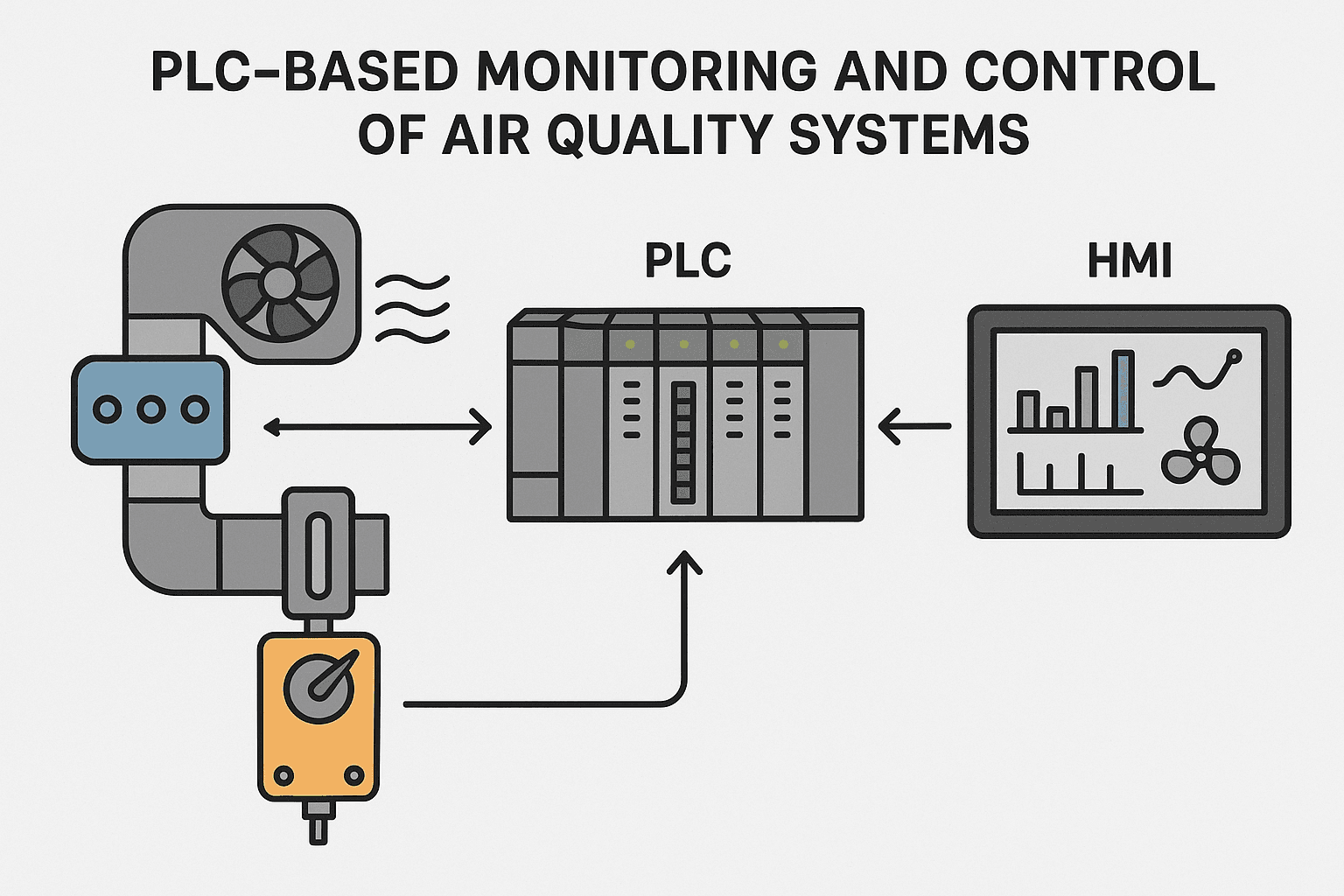
Monitoring tools provide real-time insights into network performance. They help detect issues early and allow for timely corrective actions.
Timely Replacement
Replacing faulty components without delay prevents minor issues from escalating into major failures. Keeping essential spare parts available ensures minimal downtime.
Future-Proofing Network Systems
Planning for Scalability
Networks should be designed with future growth in mind. Scalable systems allow easy expansion without compromising performance.
Adapting to New Technologies
Upgrading to modern technologies ensures improved efficiency and reliability. Staying updated helps maintain competitive and operational advantages.
Conclusion
Maintaining durable and efficient network connections requires a proactive and structured approach. Proper installation, regular monitoring, and timely maintenance all contribute to long-term performance. Systems utilizing components such as 110XCA28202 Schneider Electric, Communication Cable and 140ACI03000 – analog input module Modicon Quantum can achieve greater reliability and reduced downtime when these best practices are consistently followed.