Exploring Reliable Methods for Managing Electrical Signals in Control Systems
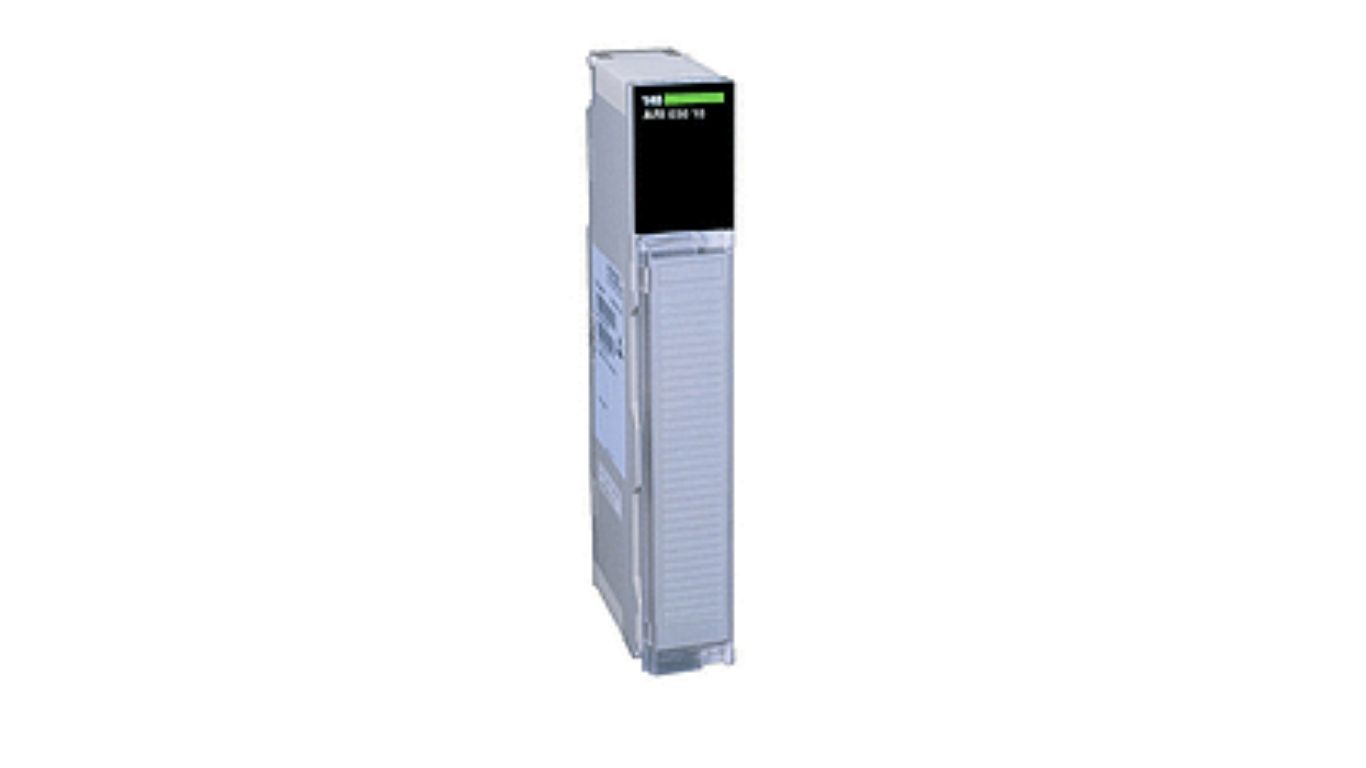
Electrical signal management is a critical part of modern control systems. Whether used in manufacturing, energy systems, or automation environments, accurate signal handling ensures that processes run smoothly and efficiently. Poor signal management can lead to system instability, inaccurate outputs, and even equipment failure. This article explores reliable methods for managing electrical signals and maintaining consistent performance in complex control systems, especially when using solutions like 140ACO13000 – analog output module Modicon Quantum for precise and stable signal output control..
Importance of Electrical Signal Management
In any control system, signals act as the communication link between sensors, controllers, and actuators. These signals carry important information that determines how a system responds to changing conditions.
Proper signal management helps in:
- Maintaining system accuracy
- Reducing operational errors
- Improving response time
- Ensuring safety and reliability
Without proper handling, signals can become distorted, delayed, or lost, leading to serious performance issues.
Common Challenges in Signal Management
Signal Noise and Interference
One of the most common problems is electrical noise. Interference from nearby equipment, power lines, or electromagnetic sources can distort signals and reduce accuracy.
Signal Loss Over Distance
Signals traveling over long distances may weaken, especially if cables are not properly designed or installed.
Improper Calibration
Uncalibrated devices can produce incorrect signals, which affects the overall system performance.
Environmental Factors
Temperature changes, humidity, and vibration can impact the quality of electrical signals and the devices handling them.
Reliable Methods for Managing Electrical Signals
Use of Signal Conditioning Techniques
Signal conditioning is essential for improving signal quality. It involves filtering, amplifying, and isolating signals to make them more stable and accurate.
Key techniques include:
- Filtering unwanted noise
- Amplifying weak signals
- Isolating signals to prevent interference
These methods ensure that only clean and usable signals are processed by the system.
Proper Grounding and Shielding
Grounding and shielding are fundamental practices in signal management. Proper grounding reduces electrical noise, while shielding protects signals from external interference.
Using high-quality cables and correct installation techniques can significantly improve signal reliability.
Regular Calibration and Maintenance
Routine calibration ensures that all components in the system are providing accurate readings. Over time, devices may drift from their original settings, which can lead to errors.
Scheduled maintenance helps identify and fix issues before they affect system performance.
Role of Output Modules in Signal Management
Output modules play a crucial role in converting control signals into actionable outputs. Systems using 140ACO13000 – analog output module Modicon Quantum can achieve better precision in signal delivery, ensuring that actuators and connected devices receive accurate commands.
These modules help maintain consistency in output signals, which is essential for controlling processes such as motor speed, valve positioning, and temperature regulation.
Advanced Techniques for Signal Accuracy
Digital Signal Processing
Digital signal processing (DSP) helps analyze and improve signal quality. It allows systems to filter noise, detect anomalies, and enhance signal clarity in real time.
Redundancy Systems
Using backup signal paths ensures that if one signal fails, another can take over. This increases system reliability, especially in critical applications.
Error Detection Mechanisms
Modern systems use algorithms to detect signal inconsistencies and correct them automatically. This helps prevent system failures and improves overall efficiency.
Common Alerts, Alarms, and Errors
Below is a table showing common alerts, alarms, and errors in control systems:
| Type | Description | Possible Cause | Recommended Action |
| Signal Noise | Fluctuating or unstable signal readings | Electromagnetic interference | Improve shielding and grounding |
| Signal Loss | No signal detected from input/output devices | Broken cable or loose connection | Inspect wiring and connections |
| Calibration Error | Output does not match expected values | Device drift or incorrect calibration | Recalibrate the system |
| Overrange Alarm | Signal exceeds defined limits | Excess voltage or incorrect configuration | Check system settings |
| Underrange Alarm | Signal below minimum threshold | Weak input signal or faulty component | Verify input source |
| Communication Error | Data transfer failure between components | Network or protocol issue | Check communication setup |
| Temperature Alert | Device operating outside safe temperature range | Environmental conditions | Improve cooling and ventilation |
| Power Failure | Sudden shutdown of system | Power supply issue | Ensure stable power source |
Best Practices for Long-Term Signal Reliability
System Design Optimization
Designing systems with proper layout, cable management, and component selection improves signal reliability from the start.
Training and Expertise
Skilled personnel are essential for maintaining and troubleshooting control systems effectively.
Continuous Monitoring
Real-time monitoring helps detect issues early and ensures that signals remain within acceptable ranges.
Future Trends in Signal Management
With advancements in automation, signal management is becoming more intelligent. Emerging trends include:
- Smart sensors with built-in processing capabilities
- AI-based error detection and correction
- Wireless signal transmission technologies
- Improved energy efficiency in control systems
These innovations are making control systems more reliable and easier to manage.
Conclusion
Managing electrical signals effectively is essential for the success of any control system. By implementing proper techniques such as signal conditioning, grounding, and regular maintenance, organizations can achieve higher accuracy and reliability. Systems that utilize components like 140ACO13000C used can also provide cost-effective solutions while maintaining strong performance. By following best practices and adopting modern technologies, it is possible to ensure stable and efficient signal management in even the most complex environments.