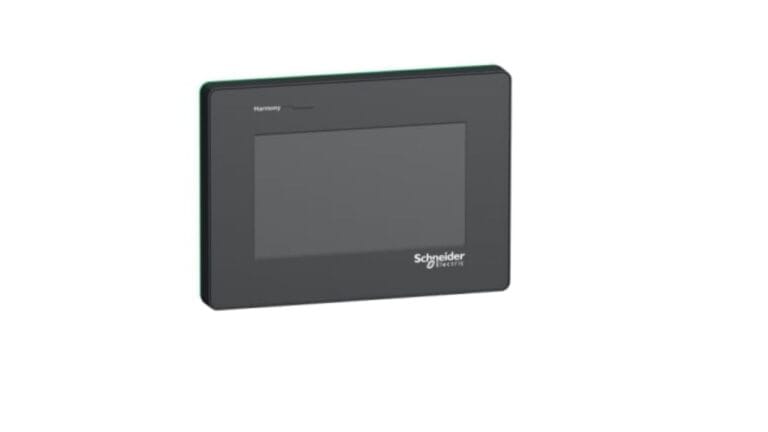
High-Performance Touchscreen Panel with 320 x 240 Display
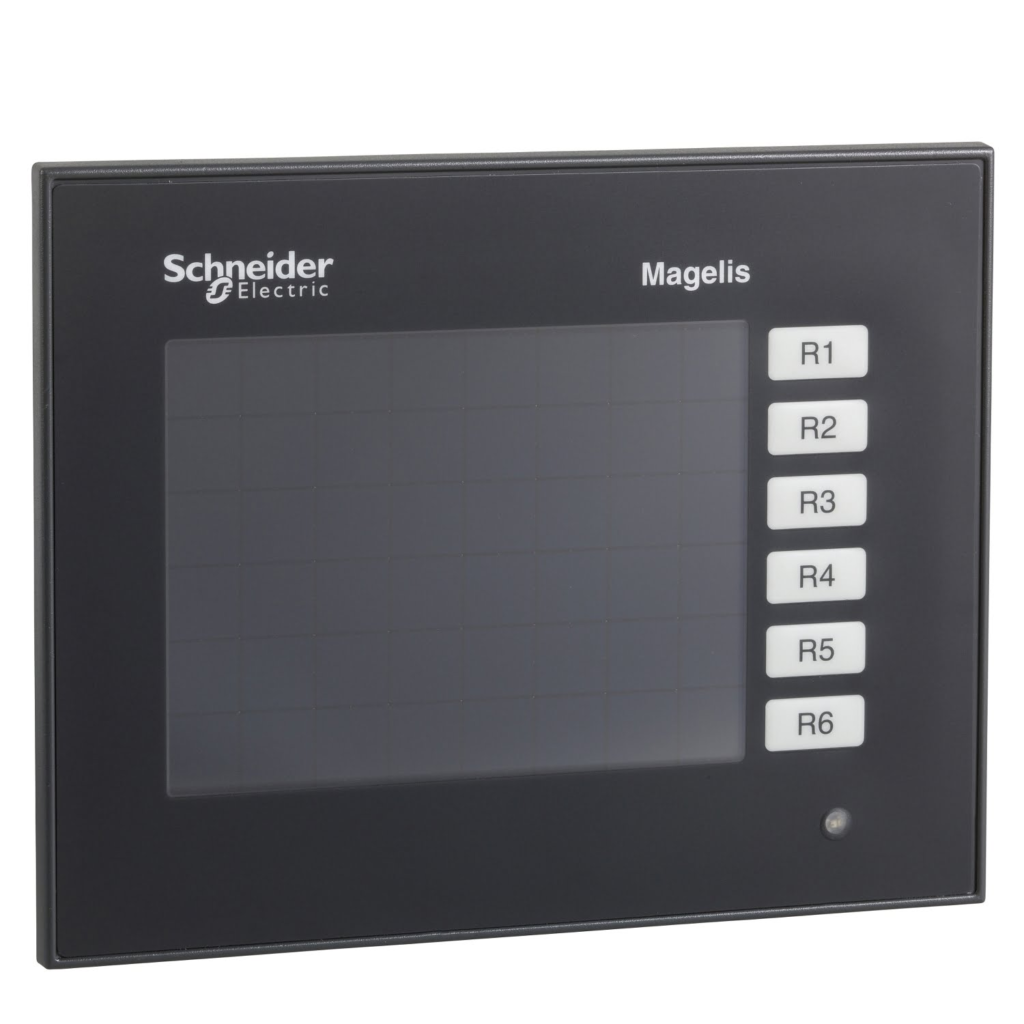
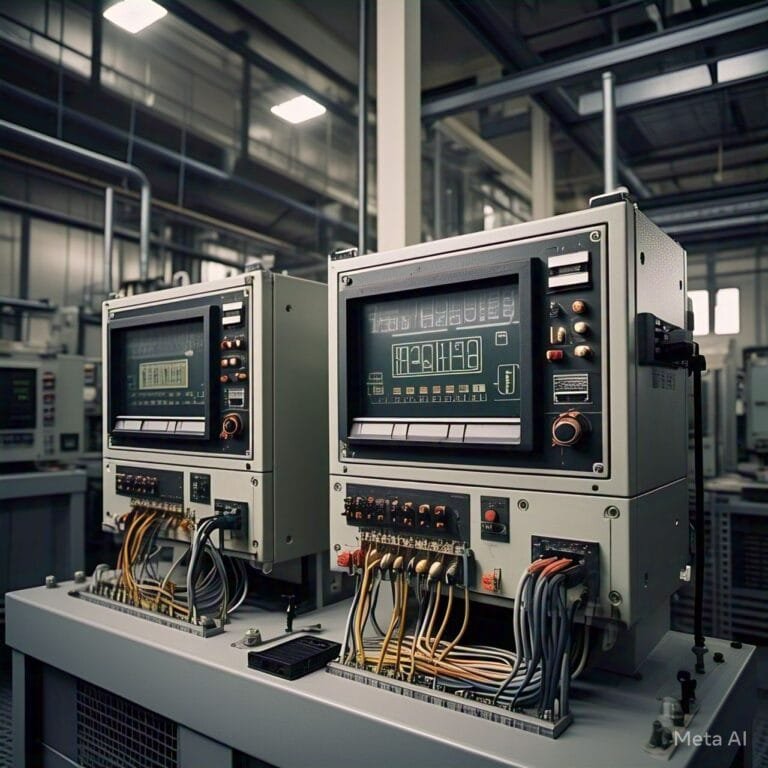
Touchscreen panels have become an essential interface in industrial automation, control systems, and monitoring equipment. They provide operators with a user-friendly, intuitive way to interact with machines, visualize process data, and execute commands. A high-performance touchscreen panel with a 320 x 240 resolution offers a compact yet capable solution for displaying critical information clearly while maintaining precision in touch response.
These panels are widely used in manufacturing lines, process industries, energy management systems, and other industrial environments where space is limited but operational efficiency and control are essential.
Importance of Resolution in Touchscreen Panels
Understanding 320 x 240 Resolution
The 320 x 240 pixel resolution, also known as QVGA (Quarter Video Graphics Array), provides a balance between display clarity and compact size. This resolution is suitable for displaying key operational data, simple graphical interfaces, and interactive control elements without overcrowding the screen.
Clarity and Readability
Even with a compact display, high-performance panels with 320 x 240 resolution offer clear and legible visualization. Operators can read numerical values, interpret graphical trends, and navigate menus efficiently, which reduces errors and improves overall productivity.
Key Features of a High-Performance Touchscreen Panel
Responsive Touch Technology
High-performance touchscreen panels are designed to deliver fast and accurate touch response. Whether operators use fingers, styluses, or gloves, the panel registers inputs reliably, supporting precise control in industrial settings.
Durability and Rugged Construction
Industrial environments demand robust equipment. Touchscreen panels are built with scratch-resistant glass, reinforced frames, and sealed enclosures to protect against dust, moisture, and vibration, ensuring longevity even under harsh conditions.
High Visibility
Backlighting, contrast optimization, and anti-glare surfaces enhance readability in various lighting conditions. Clear visibility is critical for maintaining accurate monitoring and control throughout operational shifts.
Integration with Industrial Control Systems
Compatibility with PLCs and Controllers
High-performance touchscreen panels integrate seamlessly with programmable logic controllers (PLCs) and other automation systems. Standardized interfaces and communication protocols allow easy data exchange, ensuring that operators can monitor and control processes effectively.
Flexible Configuration Options
These panels often support customizable screen layouts, multiple languages, and configurable input/output controls. This flexibility allows system designers to tailor the user interface for specific applications and operational requirements.
Applications in Industrial Environments
Manufacturing and Production Lines
In manufacturing facilities, touchscreen panels serve as operator interfaces for machine control, production monitoring, and quality management. High responsiveness and clear display ensure smooth operation and minimal downtime.
Process Industries
Chemical, food, water treatment, and other process industries rely on real-time monitoring for safety and efficiency. Touchscreen panels provide instant access to sensor readings, alarms, and control parameters, enabling rapid response to changing conditions.
Energy and Utility Systems
Energy generation and distribution systems utilize touchscreen panels to monitor loads, equipment status, and performance metrics. Compact panels with clear visualization simplify operational oversight and improve decision-making.
Safety and Operational Benefits
Real-Time Alarm and Notification Display
Touchscreen panels can display critical alarms, alerts, and notifications prominently. Operators are immediately informed of abnormal conditions, enabling quick corrective action and reducing the risk of accidents.
Reduced Human Error
Intuitive graphical interfaces reduce the chance of input mistakes compared to traditional push-button controls. Clear visualization of process parameters, combined with responsive touch input, enhances operational safety and efficiency.
Maintenance and Monitoring Advantages
Easy Troubleshooting
Touchscreen panels can display diagnostic information, logs, and error messages, assisting maintenance teams in identifying and resolving issues quickly. This reduces downtime and improves system reliability.
Simplified Upgrades
High-performance panels support software updates and interface adjustments without requiring hardware changes. This adaptability allows systems to evolve as operational needs change or new features are required.
Design Considerations for Industrial Applications
Compact Form Factor
The 320 x 240 resolution panels offer a compact design that fits into tight control panels, mobile machinery, or portable equipment. Their small footprint makes them ideal for applications where space is limited.
Ergonomic Interface
Well-designed touchscreen panels prioritize operator comfort and usability. Buttons, menus, and controls are logically arranged, minimizing fatigue and streamlining workflow in continuous operation environments.
Environmental Protection
Sealed enclosures and industrial-grade materials protect the panel from dust, moisture, and vibration. These features ensure reliable performance in harsh environments, including outdoor or semi-exposed industrial areas.
Future Trends in Touchscreen Technology
Improved Display Technology
Future touchscreen panels are expected to include higher brightness, wider viewing angles, and enhanced color depth, making displays even clearer and easier to read in challenging industrial lighting conditions.
Enhanced Interactivity
Advancements in multi-touch technology and gesture recognition will allow operators to interact with complex data more intuitively. This will improve workflow efficiency and reduce response times.
Integration with IoT and Smart Systems
Touchscreen panels will increasingly connect to Industrial Internet of Things (IIoT) networks, enabling real-time data sharing, remote monitoring, and advanced analytics. This integration will make panels a central hub for both local and remote control.
Conclusion
A high-performance touchscreen panel with a 320 x 240 display offers an efficient, reliable, and user-friendly interface for industrial control and monitoring applications. Its combination of durability, responsive touch technology, clear visualization, and compact form factor makes it ideal for a wide range of industrial environments. From manufacturing lines to process industries and energy systems, these panels provide operators with the tools necessary to maintain efficient, safe, and precise operations. As industrial technology continues to evolve, high-performance touchscreen panels will remain a critical component for streamlined control and monitoring solutions.