How Modern Controllers Transform Manufacturing Speed And Precision for Success
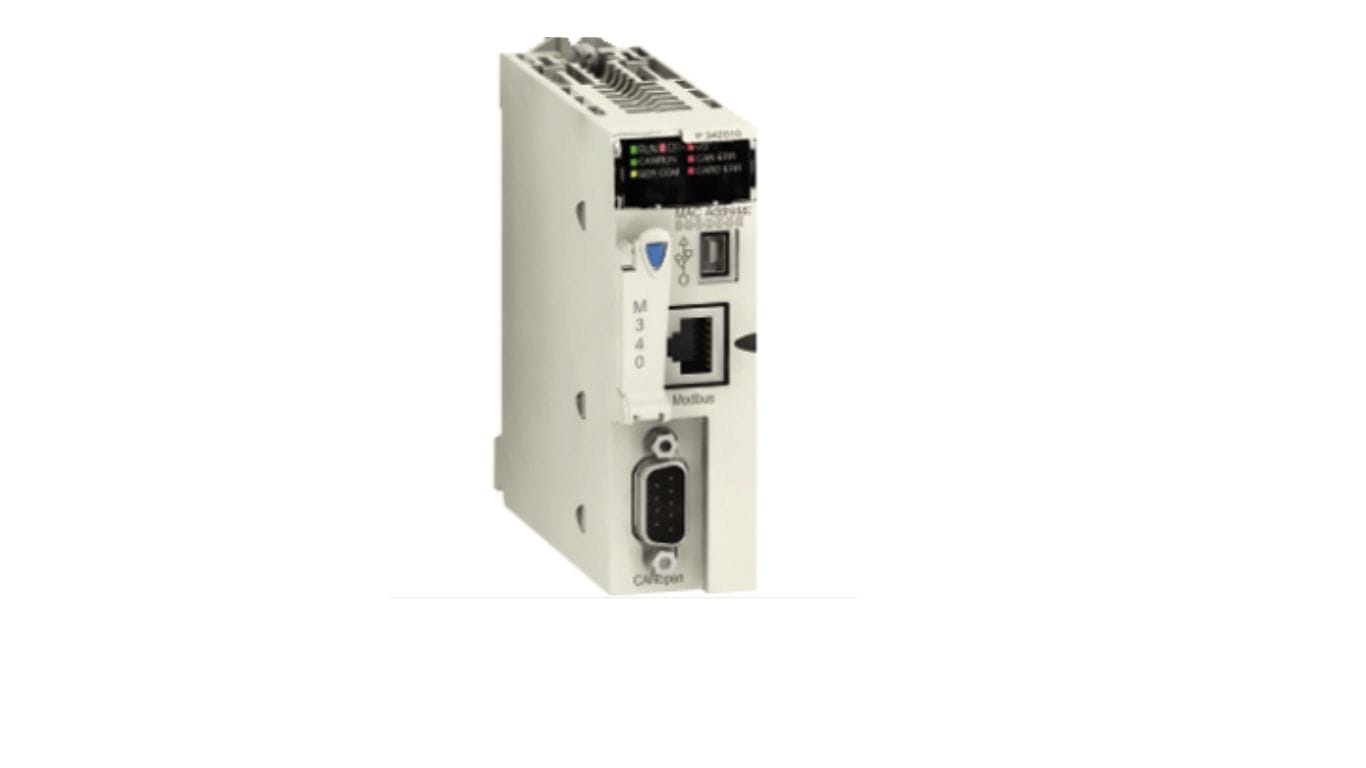
Modern manufacturing depends on intelligent automation to meet the growing demands of speed, consistency, and cost-efficiency. At the center of this transformation are advanced industrial controllers such as BMXP342010 – processor module M340 that coordinate machines, analyze inputs, and execute commands in real time. These controllers function as the operational brain of production environments, ensuring every mechanical and digital process works in harmony. As industries push toward higher productivity standards, controller technology has become one of the most critical investments for operational success.
The Evolution of Industrial Control Technology
Manufacturing control systems have progressed from manual switches and relay logic to highly sophisticated programmable platforms. Early automation reduced human intervention but lacked flexibility and processing power. Today’s controllers combine high-speed processors, intelligent software, and network connectivity to manage complex production tasks with exceptional accuracy.
From Manual Operations to Intelligent Automation
Traditional setups required operators to constantly monitor machines and make adjustments. This approach often led to inconsistencies, delays, and errors. Modern controllers eliminate these issues by using programmed instructions and sensor feedback to regulate operations automatically. They can instantly respond to environmental changes, production variations, or equipment conditions without manual input.
Integration With Digital Infrastructure
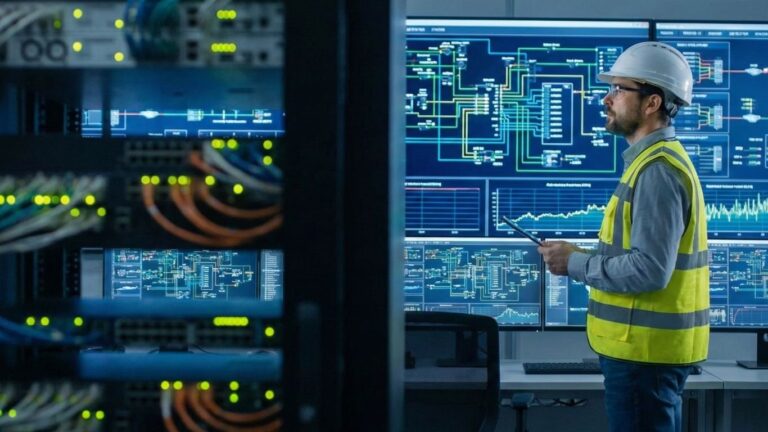
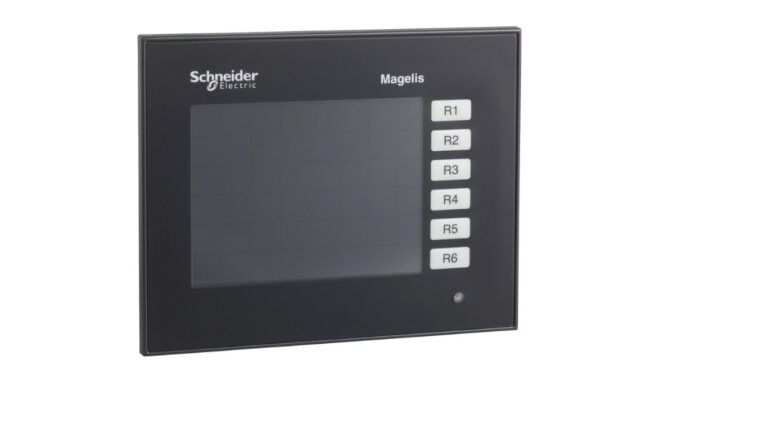
Advanced controllers are no longer isolated devices. They connect seamlessly with monitoring dashboards, supervisory systems, and analytics tools. This integration allows manufacturers to track performance metrics in real time, identify inefficiencies, and optimize processes based on data-driven insights.
Speed Advantages Enabled by Modern Controllers
Speed in manufacturing is determined not only by machine capability but also by how efficiently processes are coordinated. Controllers ensure that each stage of production communicates with the next, preventing delays and maintaining a continuous workflow.
High-Speed Data Processing
Modern controllers process large volumes of information within milliseconds. This rapid computation ensures that instructions are executed immediately after receiving input signals. As a result, machines operate at peak performance without waiting for manual confirmation or delayed system responses.
Reduced Downtime and Faster Restart
Unexpected downtime can significantly affect productivity. Intelligent controllers continuously monitor system health and detect anomalies before they escalate into failures. When interruptions occur, they can isolate faults and restore operations quickly, minimizing production losses.
Precision Improvements Through Advanced Control Logic
Precision is a defining factor in high-quality manufacturing. Whether producing electronic components or mechanical assemblies, even minor deviations can lead to defects. Controllers maintain strict control over variables such as temperature, pressure, timing, and positioning.
Closed-Loop Feedback Systems
Modern controllers use feedback loops that compare actual performance against programmed targets. If a deviation is detected, adjustments are made instantly. This ensures that production remains within specified tolerances throughout the entire process.
Consistency Across Production Runs
Consistency is essential for maintaining product standards and customer trust. Controllers ensure that every cycle of production follows the exact same parameters, eliminating variability that might arise from manual handling or environmental fluctuations.
Scalability and Flexibility in Manufacturing Systems
One of the most valuable characteristics of modern controllers is scalability. As production requirements increase, systems can be expanded without replacing the entire infrastructure. Additional modules, sensors, or machine stations can be integrated into the existing setup.
Flexibility is equally important. Controllers can be reprogrammed to accommodate new product designs, production methods, or operational goals. This adaptability allows manufacturers to respond quickly to market changes while avoiding costly equipment replacements.
Comparison Table: Processor and Remote I/O Solutions
Below is a general comparison of a processor module and remote I/O adaptor alongside similar solutions available in the automation market.
| Feature | Processor Module Unit | Remote I/O Adapter Unit | Competitor Option A | Competitor Option B |
| Primary Function | Executes control logic and manages system operations | Connects distributed I/O devices to controller | High-performance controller unit | Distributed I/O interface module |
| Processing Speed | High-speed real-time execution | Depends on network communication | Comparable high-speed processing | Moderate execution speed |
| Expandability | Supports multiple expansion modules | Enables remote rack extension | Modular expansion support | Limited modular capability |
| Communication | Industrial Ethernet and field protocols | Network-based I/O communication | Multi-protocol networking | Standard protocol support |
| Ideal Use Case | Central automation control | Distributed system layouts | Complex automation systems | Medium-scale automation |
| Reliability | Designed for industrial environments | Stable remote connectivity | Industrial-grade durability | Standard industrial reliability |
This comparison illustrates how processor modules and remote I/O adaptors complement each other in automation architecture. The processor acts as the decision-making core, while the remote adapter extends connectivity, allowing equipment to be positioned across large facilities without excessive wiring.
Role in Smart Manufacturing and Industry 4.0
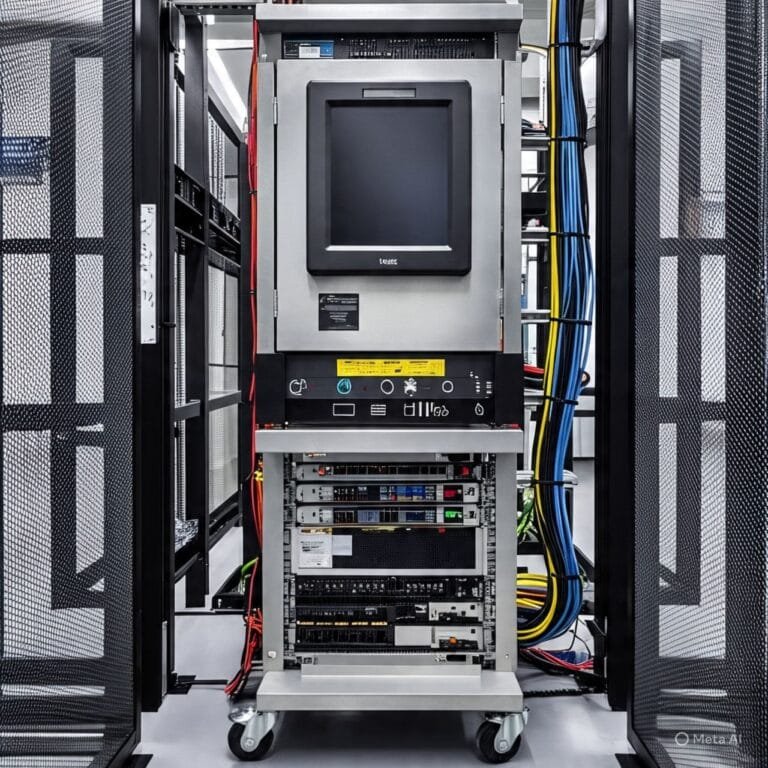
Smart factories rely on interconnected machines capable of sharing information and adjusting operations dynamically. Controllers enable this transformation by acting as communication hubs between equipment, analytics platforms, and monitoring systems. Through intelligent algorithms and real-time communication, they help manufacturers achieve optimized production schedules, predictive maintenance, and improved energy efficiency.
Another advantage is data transparency. Controllers record operational data that can be analyzed to uncover patterns, inefficiencies, or improvement opportunities. This insight empowers organizations to refine processes continuously and remain competitive in rapidly evolving markets.
Implementation Considerations
Before integrating controllers into a manufacturing environment, organizations must evaluate system requirements, production scale, and communication protocols. Selecting the appropriate controller ensures compatibility with existing machinery and future expansion plans. Proper configuration and programming are also essential for maximizing performance and maintaining system stability.
Training personnel is equally important. Even though controllers automate operations, skilled technicians are required to design logic, interpret data, and maintain equipment. When implemented correctly, controller-based automation can dramatically increase productivity while reducing operational risks.
Conclusion
Modern controllers have revolutionized manufacturing by combining speed, accuracy, scalability, and reliability into a single intelligent platform. They streamline production, reduce errors, and enable data-driven decision-making that enhances overall efficiency. As industrial environments continue to evolve toward interconnected and automated systems, controllers will remain at the forefront of technological advancement. In real-world automation infrastructures, components such as BMXP342010 – processor module M340 and BMXPRA0100 – peripheral remote IO adaptor module demonstrate how specialized hardware supports synchronized control, distributed connectivity, and high-performance processing, ultimately empowering manufacturers to achieve superior operational speed and precision.