Improving Plant Efficiency Using Robust Networking For Mission Critical Operations
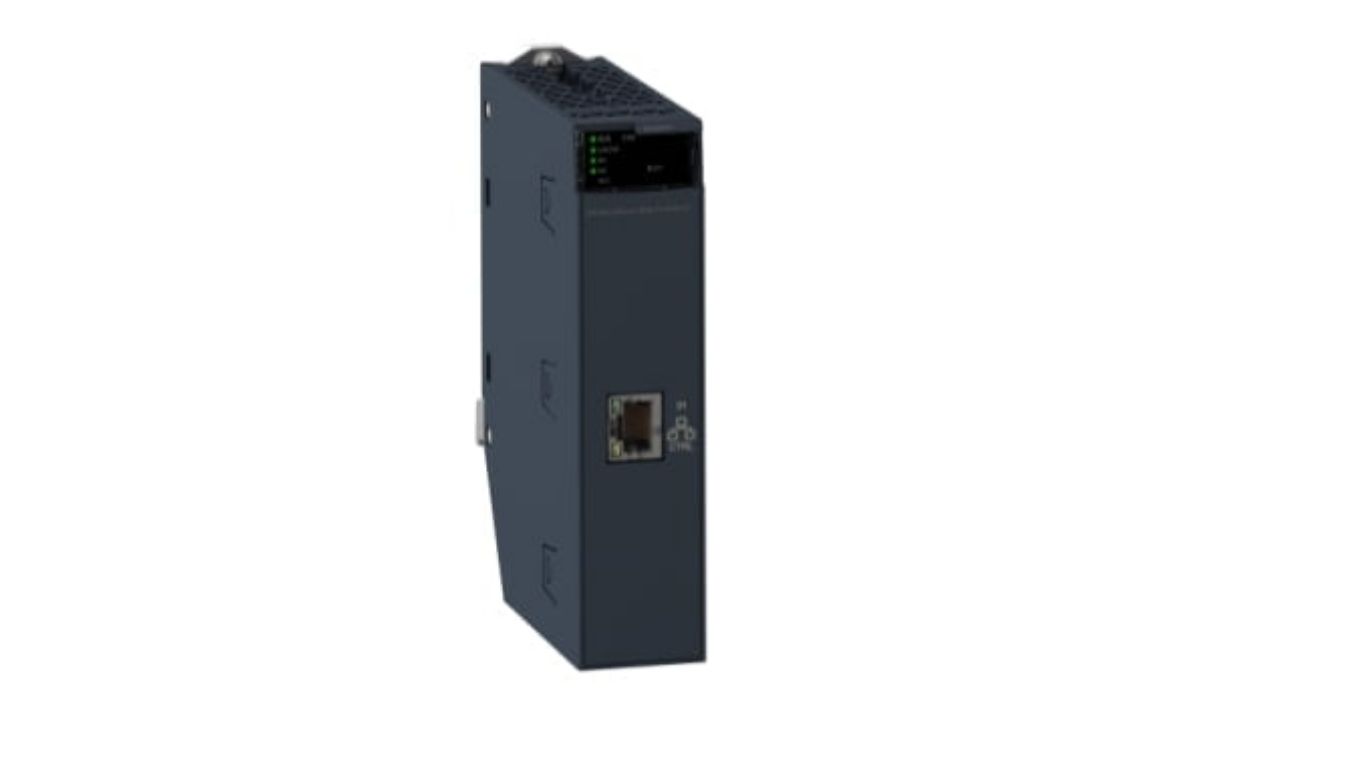
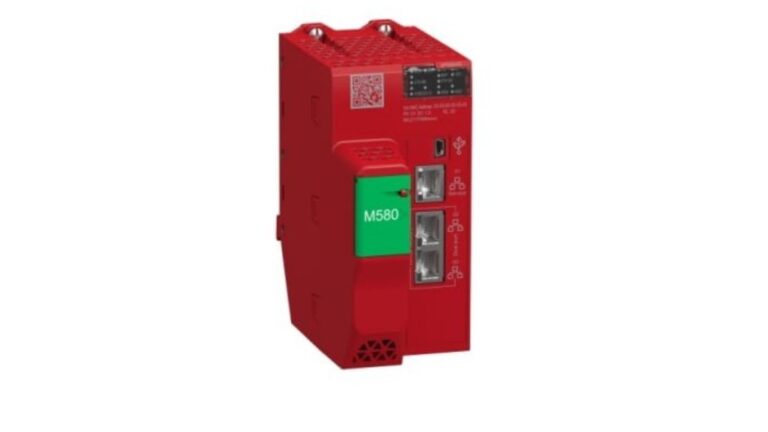
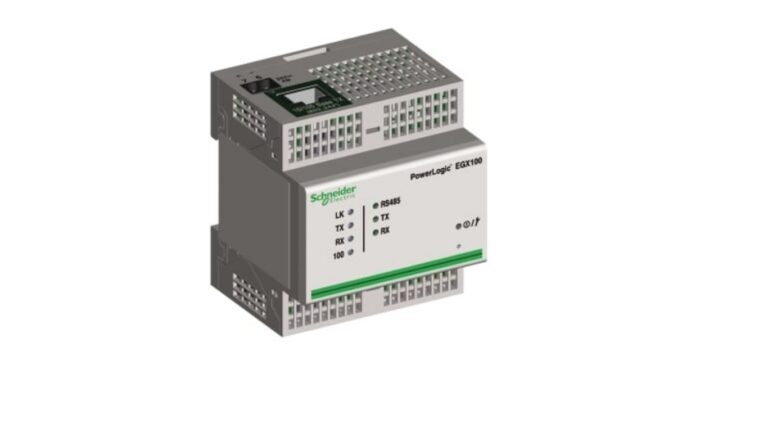
In modern industrial environments, efficiency is no longer driven solely by machinery performance; it increasingly depends on how effectively systems communicate. Seamless data flow, real-time responsiveness, and resilient network architectures are critical for plants operating under tight production targets. Solutions such as BMENUA0100 – communication module Modicon M580 highlight how advanced communication frameworks can support faster decision-making, reduce downtime, and enable scalable automation when deployed thoughtfully within mission-critical operations.
The Role of Networking in Industrial Efficiency
Why Communication Infrastructure Matters
Industrial plants rely on constant coordination between controllers, sensors, actuators, and supervisory systems. When communication is slow or unreliable, even high-performing equipment can become a bottleneck. Robust networking ensures that operational data moves securely and predictably across the plant, enabling synchronized processes and minimizing delays that impact throughput.
From Isolated Systems to Connected Operations
Traditionally, many facilities operated with isolated control systems. While functional, these setups limited visibility and adaptability. Modern networking approaches integrate multiple operational layers, allowing production data to be shared across departments. This connectivity empowers teams to identify inefficiencies faster, optimize workflows, and respond proactively to issues before they escalate.
Designing Networks for Mission Critical Operations
Reliability as a Core Requirement
Mission critical environments demand networks that perform consistently under harsh conditions. Temperature fluctuations, electrical noise, and continuous operation place heavy demands on communication systems. A well-designed industrial network prioritizes redundancy, error detection, and fault tolerance to maintain performance even when components fail.
Real-Time Data Transmission
Efficiency gains are closely tied to how quickly information travels. Real-time communication allows control systems to adjust parameters instantly based on sensor feedback. This capability is essential for processes that require precise timing, such as motion control, batching, or safety interlocks, where delays can lead to waste or operational risk.
Security Without Compromising Performance
As industrial networks become more connected, security concerns grow. However, security measures must be balanced with performance requirements. Effective network design incorporates secure protocols, access controls, and monitoring tools that protect data integrity without introducing latency that could disrupt operations.
Enhancing Visibility and Decision-Making
Centralized Monitoring and Analytics
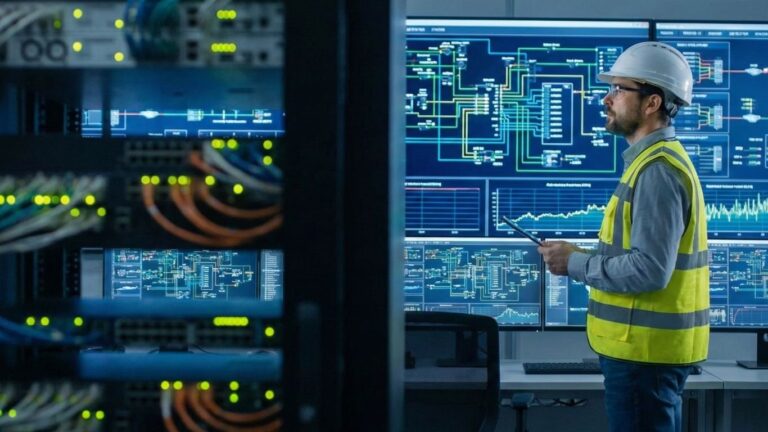
Robust networking enables centralized monitoring systems to collect data from across the plant. This consolidated view allows operators and engineers to analyze trends, identify inefficiencies, and make informed decisions. Over time, data-driven insights support continuous improvement initiatives and more accurate production planning.
Faster Troubleshooting and Reduced Downtime
When issues occur, networked systems provide immediate access to diagnostic information. Maintenance teams can pinpoint the source of a problem quickly, reducing mean time to repair. Faster troubleshooting directly translates into less downtime, protecting productivity and lowering operational costs.
Scalability and Future Readiness
Supporting Expansion and Process Changes
Efficient plants are designed with growth in mind. A scalable network can accommodate new equipment, additional production lines, or process changes without requiring a complete redesign. Modular architectures and standardized communication methods make it easier to expand operations while maintaining performance and reliability.
Integrating Advanced Technologies
Emerging technologies such as predictive maintenance, digital twins, and advanced process optimization rely heavily on data availability. Robust networking lays the foundation for these innovations by ensuring consistent, high-quality data exchange. Plants with strong communication infrastructures are better positioned to adopt new technologies as business needs evolve.
Optimizing Performance Through Standardization
Reducing Complexity
Standardized networking approaches reduce system complexity, making it easier to manage and maintain operations. When devices and systems follow common communication standards, integration becomes smoother, and training requirements decrease. This simplification supports more efficient operations and reduces the likelihood of configuration errors.
Improving Interoperability
Interoperability is essential in environments where equipment from different generations must coexist. Robust networks bridge gaps between legacy systems and modern automation platforms, allowing plants to modernize incrementally rather than through disruptive, large-scale replacements.
Long-Term Impact on Operational Excellence
Energy Efficiency and Resource Optimization
Efficient communication contributes to better control over energy usage and material consumption. Real-time data allows systems to adjust operations dynamically, reducing waste and improving overall resource efficiency. Over time, these incremental improvements have a significant impact on operating costs and sustainability goals.
Building Resilient Operations
Resilience is a key characteristic of high-performing plants. Networks designed for mission critical operations help facilities withstand disruptions, whether from equipment failures or external factors. By maintaining communication integrity, plants can continue operating safely and efficiently under challenging conditions.
Conclusion
Improving plant efficiency is not just about upgrading machines; it is about strengthening the communication backbone that connects every part of the operation. By investing in robust networking strategies and leveraging technologies such as Modicon M580 alongside 140EHC10500 High-Speed Counter Module, industrial facilities can achieve greater reliability, scalability, and performance. In mission critical environments, a strong communication infrastructure becomes a strategic asset that supports long-term operational excellence and sustainable growth.