Intelligent Monitoring Tools Improving Operational Control in Power Networks
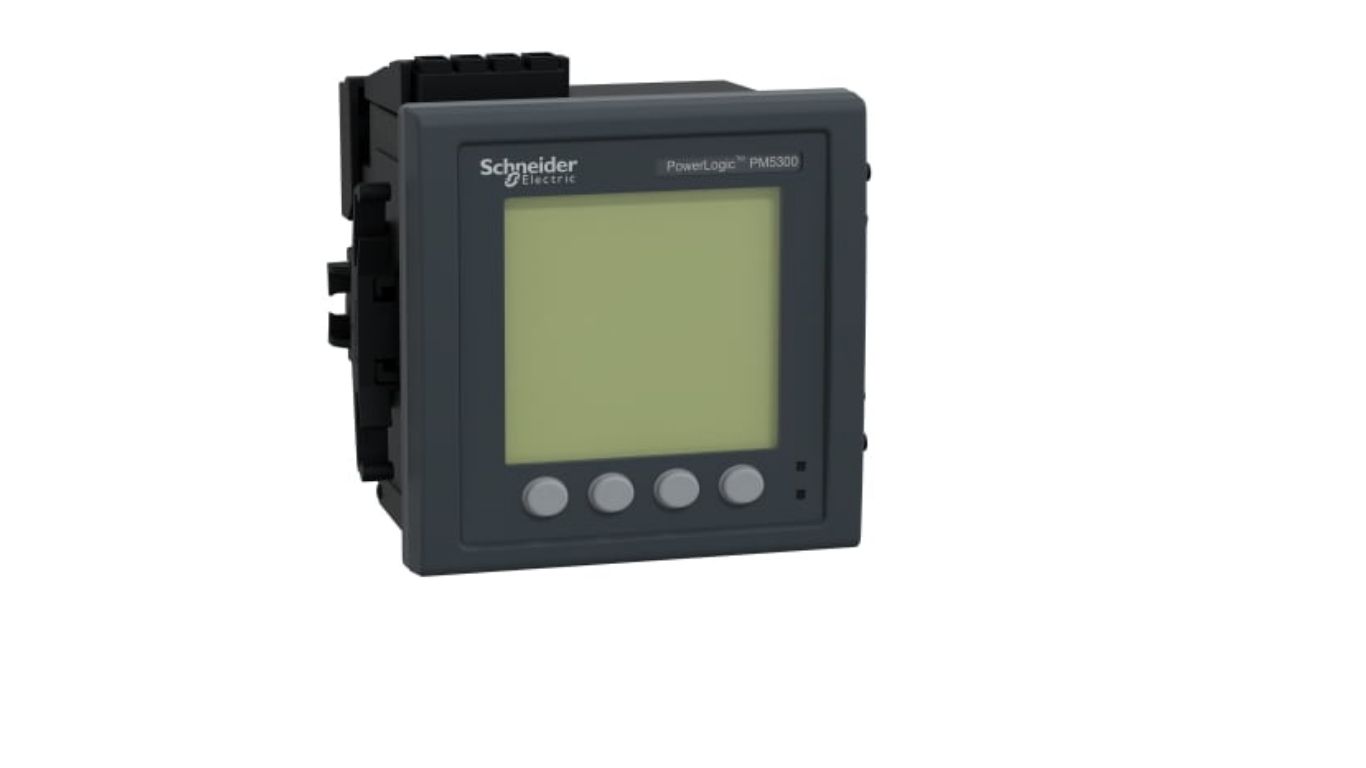
Modern power networks are becoming increasingly complex due to rising energy demand, distributed generation, and the integration of renewable sources. Intelligent monitoring tools play a critical role in maintaining system stability, enhancing operational control, and ensuring efficiency. Solutions such as METSEPM5310 PowerLogic and METSEPM5110 – power meter PowerLogic PM5110 are often referenced in discussions around advanced monitoring capabilities, highlighting how digital tools can transform traditional power management into a smarter, data-driven process.
The Evolution of Power Network Monitoring
From Conventional to Intelligent Systems
Traditionally, power networks relied on manual inspections and basic monitoring devices. These systems lacked real-time visibility and predictive capabilities. Today, intelligent monitoring tools leverage sensors, communication technologies, and analytics to provide:
- Real-time data acquisition
- Automated fault detection
- Predictive maintenance insights
- Remote system control
This transition has significantly improved operational efficiency and reduced downtime.
Key Features of Intelligent Monitoring Tools
Real-Time Data Collection
One of the most important features is continuous real-time monitoring. These tools collect data on:
- Voltage levels
- Current flow
- Power consumption
- Frequency variations
This allows operators to quickly detect abnormalities and take corrective action.
Advanced Analytics and Visualization
Modern monitoring systems use advanced algorithms to analyze data and present it in an easy-to-understand format. Dashboards and visual tools help operators:
- Identify trends
- Detect inefficiencies
- Optimize energy usage
Remote Accessibility
Operators can access system data remotely through secure platforms. This reduces the need for physical presence and allows faster response to issues.
Benefits for Operational Control
Improved Reliability
Intelligent monitoring ensures that faults are detected early, preventing system failures. Automated alerts notify operators instantly, allowing quick intervention.
Enhanced Efficiency
By analyzing energy usage patterns, operators can identify areas of waste and optimize performance. This leads to reduced operational costs.
Predictive Maintenance
Instead of reactive maintenance, intelligent tools enable predictive strategies. By analyzing historical data, systems can forecast potential failures and schedule maintenance accordingly.
Better Decision-Making
Access to accurate and real-time data empowers operators to make informed decisions, improving overall system performance.
Role in Smart Grid Development
Integration with Smart Technologies
Intelligent monitoring tools are a key component of smart grids. They enable seamless integration with:
- Renewable energy sources
- Energy storage systems
- Demand response programs
Grid Stability and Flexibility
With increasing variability in power generation, especially from renewables, monitoring tools help maintain grid stability by balancing supply and demand.
Common Alerts, Alarms, and Errors of Product XYZ
Below is a table outlining typical alerts, alarms, and errors that may occur in a monitoring device (referred to as Product XYZ):
| Category | Alert/Alarm/Error Name | Description | Possible Cause | Recommended Action |
| Alert | Over Voltage Alert | Voltage exceeds safe operating limit | Load imbalance, grid fluctuation | Check load distribution and settings |
| Alert | Under Voltage Alert | Voltage drops below threshold | Power supply issues | Inspect incoming supply |
| Alarm | Overcurrent Alarm | Current exceeds rated capacity | Equipment overload | Reduce load or upgrade system |
| Alarm | Frequency Deviation | Frequency outside acceptable range | Grid instability | Stabilize power source |
| Error | Communication Failure | Loss of communication with monitoring system | Network issue, cable fault | Check connections and network |
| Error | Sensor Fault | Sensor not responding or giving incorrect data | Hardware malfunction | Replace or recalibrate sensor |
| Alarm | Power Factor Low | Inefficient power usage | Inductive loads | Install power factor correction |
| Alert | Temperature Warning | Device temperature rising | Poor ventilation | Improve cooling conditions |
| Error | Data Logging Failure | Data not being recorded properly | Memory or software issue | Restart system or update firmware |
| Alarm | Harmonic Distortion High | Excessive harmonics in system | Non-linear loads | Use harmonic filters |
Challenges in Implementation
High Initial Investment
Deploying intelligent monitoring systems requires significant upfront costs for hardware, software, and installation.
Data Security Concerns
As systems become more connected, they are also more vulnerable to cyber threats. Ensuring secure communication and data protection is essential.
Complexity in Integration
Integrating new monitoring tools with existing infrastructure can be challenging and may require system upgrades.
Future Trends in Intelligent Monitoring
Artificial Intelligence and Machine Learning
AI-driven analytics will enhance predictive maintenance and fault detection capabilities, making systems even more proactive.
Internet of Things (IoT)
IoT-enabled devices will provide deeper insights and improve connectivity across the power network.
Cloud-Based Monitoring
Cloud platforms will allow scalable data storage and advanced analytics, improving accessibility and collaboration.
Conclusion
Intelligent monitoring tools are transforming the way power networks are managed. They provide real-time insights, improve reliability, and enable predictive maintenance, making power systems more efficient and resilient. As technologies continue to evolve, tools like METSEPM5310 PowerLogic and METSEPM5110 – power meter PowerLogic PM5110 symbolize the shift toward smarter energy management solutions, ensuring better operational control and long-term sustainability in modern power networks.