Why Fanless Design Matters in Industrial Computing Reliability and Longevity
Industrial computing systems are built to operate in environments where conditions are far from ideal. Dust, vibration, heat, and continuous operation put immense pressure on hardware. In such situations, one design choice plays a major role in determining system performance over time—fanless architecture. Unlike traditional systems that rely on fans for cooling, fanless systems use passive cooling methods, making them more reliable and durable.
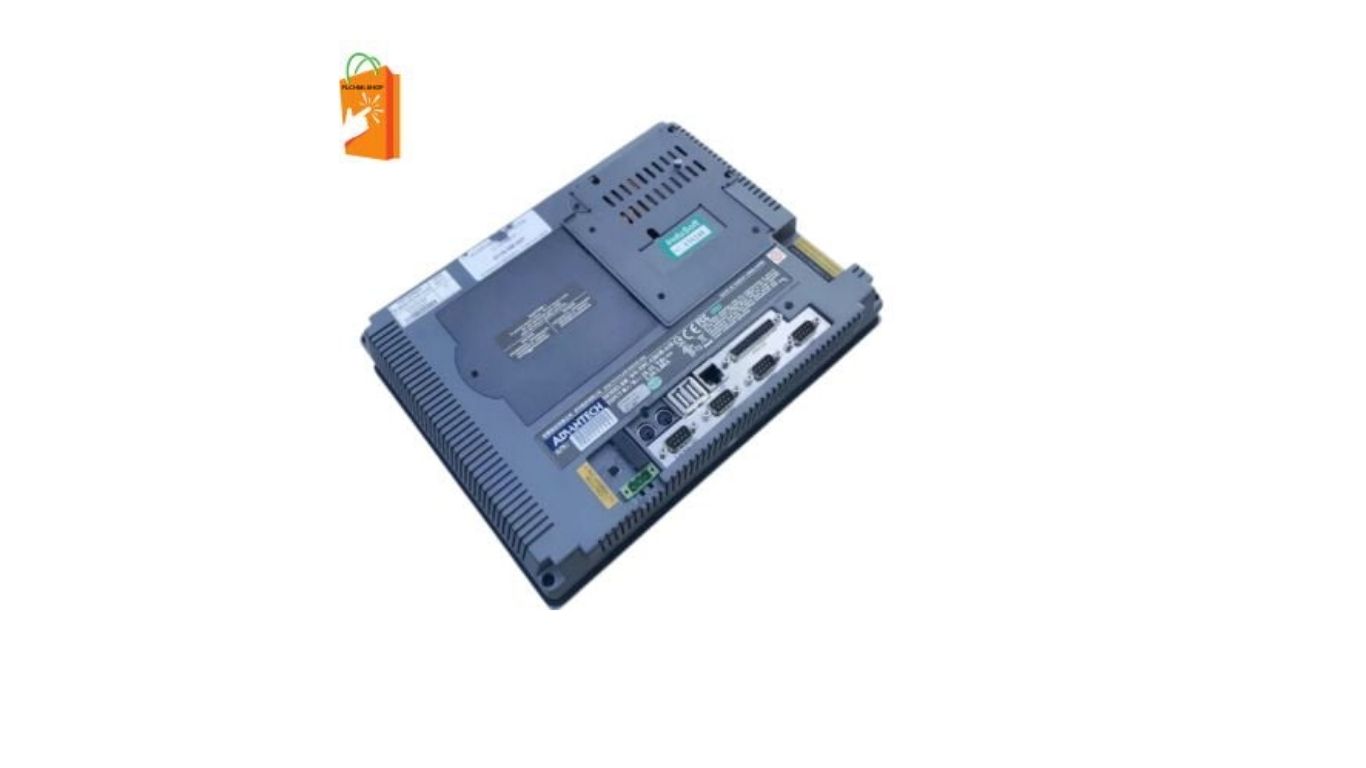
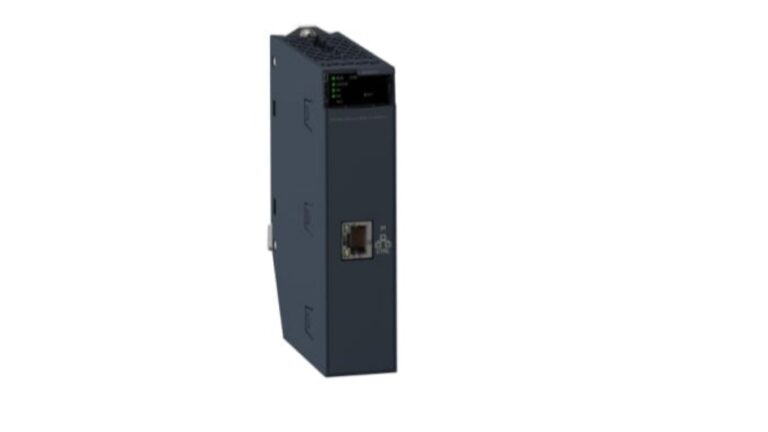
This article explains the importance of fanless design, how it improves system lifespan, and why it is widely used in industrial computing solutions such as the Advantech TPC-1261H-A1E Computer Board and SCHNEIDER ELECTRIC MPCHN05NDN00N.
What Is Fanless Design?
Passive Cooling Explained
Fanless systems are designed without any moving cooling components. Instead of fans, they rely on heat dissipation through metal surfaces, heat sinks, and natural airflow. The outer body of the system often acts as a thermal conductor, transferring heat away from internal components.
This design eliminates one of the most failure-prone parts of a computer—the fan. Since fans are mechanical, they degrade over time, especially in harsh industrial environments.
Reliability Benefits of Fanless Systems
Reduced Hardware Failures
One of the biggest advantages of fanless design is the reduction in hardware failure. Fans are highly susceptible to dust accumulation, which can block airflow and lead to overheating. In environments such as factories or outdoor installations, dust and debris are unavoidable.
By removing the fan, systems like the Advantech TPC-1261H-A1E Computer Board significantly reduce the risk of overheating due to blocked airflow. This leads to fewer unexpected breakdowns and more consistent operation.
Protection Against Environmental Contaminants
Industrial environments often expose systems to contaminants such as oil particles, moisture, and chemicals. In fan-based systems, air is continuously pulled inside, carrying these contaminants with it. Over time, this can damage internal components.
Fanless systems are typically sealed, preventing external particles from entering. This makes them ideal for use in dirty or hazardous environments where traditional systems would fail quickly.
Longevity and Durability
Longer Operational Life
Fanless systems are designed for long-term use. Without moving parts, there is less wear and tear, which directly increases the lifespan of the device. Systems like SCHNEIDER ELECTRIC MPCHN05NDN00N are often used in applications where equipment must run continuously for years without interruption.
The absence of fans also means there is no need for frequent replacements or maintenance related to cooling components.
Consistent Thermal Performance
In fan-based systems, cooling efficiency can decrease over time as fans slow down or become clogged. Fanless systems, on the other hand, maintain consistent thermal performance because they rely on solid materials rather than moving parts.
This consistency ensures stable operation even under continuous workloads, which is essential in industrial automation and monitoring systems.
Energy Efficiency and Silent Operation
Fanless systems consume less power because they do not require additional energy to run cooling fans. This reduction in power usage not only lowers operational costs but also reduces heat generation within the system.
Another important advantage is silent operation. Since there are no moving parts, fanless systems produce no noise. This is especially useful in environments where low noise levels are important, such as control rooms or medical facilities.
Thermal Management in Fanless Systems
How Heat Is Managed
Fanless systems use advanced thermal engineering to manage heat effectively. Heat sinks absorb heat from internal components and transfer it to the outer casing. The metal enclosure then dissipates this heat into the surrounding air.
This process relies on natural convection, where warm air rises and is replaced by cooler air. Proper system design ensures that heat is evenly distributed and safely released.
Design Considerations
Designing a fanless system requires careful planning. Engineers must consider the heat output of components, ambient temperature conditions, and the materials used in the enclosure. Systems like the Advantech TPC-1261H-A1E Computer Board are specifically engineered to handle these challenges, ensuring reliable performance even in extreme conditions.
Industrial Applications of Fanless Computing
Fanless systems are widely used in industries where reliability is critical. In manufacturing, they control machines and monitor production lines. In transportation, they are used in railway systems and traffic control. In energy sectors, they support operations in power plants and remote installations.
These environments demand systems that can operate continuously without failure, making fanless design the preferred choice.
Challenges of Fanless Design
While fanless systems offer many benefits, they are not without limitations. One challenge is heat dissipation for high-performance components. Without fans, managing high thermal loads requires advanced materials and larger heat sinks.
Another consideration is cost. Fanless systems may have a higher initial price due to their specialized design. However, this cost is often offset by lower maintenance and longer lifespan.
Common Alerts, Alarms, and Errors of Product XYZ
Below is a structured table of common system alerts and errors typically observed in industrial computing devices:
| Type | Issue | Description | Cause | Solution |
| Alert | High Temperature | Internal temperature exceeds safe limits | Poor ventilation or heavy workload | Ensure proper installation environment |
| Alarm | Thermal Shutdown | System shuts down to prevent damage | Excessive heat buildup | Check heat dissipation surfaces |
| Error | Storage Not Detected | System cannot access storage device | Loose connection or hardware failure | Reconnect or replace storage |
| Alert | Power Instability | Fluctuating voltage detected | Unstable power supply | Use regulated power source |
| Error | Network Failure | Loss of communication with network | Cable or configuration issue | Verify network setup |
| Warning | Memory Overload | RAM usage is critically high | Excessive applications running | Optimize or upgrade memory |
| Alarm | System Freeze | Device becomes unresponsive | Software or hardware issue | Restart and diagnose system |
| Error | Boot Failure | System unable to start properly | Corrupt OS or hardware issue | Reinstall OS or check hardware |
Conclusion
Fanless design has become a key feature in modern industrial computing due to its ability to enhance reliability and extend system lifespan. By eliminating moving parts, reducing contamination risks, and ensuring stable thermal performance, fanless systems provide a robust solution for demanding environments.
Technologies such as the Advantech TPC-1261H-A1E Computer Board and SCHNEIDER ELECTRIC MPCHN05NDN00N reflect the growing importance of this design approach. Although fanless systems may require higher initial investment, their long-term benefits in terms of durability, efficiency, and reduced maintenance make them an ideal choice for industrial applications.
As industries continue to evolve, the demand for reliable and long-lasting computing solutions will only increase, further solidifying the role of fanless design in the future of industrial technology.