Prevent Electrical Surges During Startup with Innovative Motor Protection Solutions
Industrial motors are essential components in modern manufacturing, processing plants, and automation systems. However, motor startup operations can create significant electrical challenges, especially when large motors demand high amounts of current during initial activation. These sudden increases in electrical demand can result in voltage fluctuations, equipment stress, and reduced system reliability. Implementing advanced motor protection solutions helps prevent electrical surges during startup while improving operational efficiency and extending equipment lifespan.
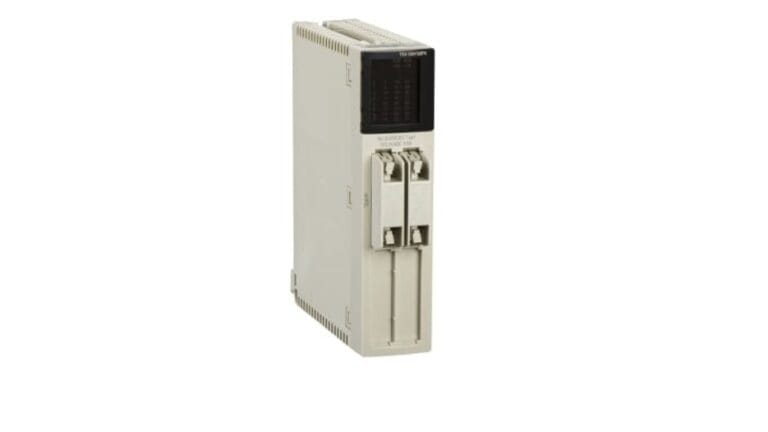
Reliable motor control requires proper monitoring, protection devices, and intelligent automation components. Solutions such as advanced protection modules, circuit monitoring systems, and industrial control equipment help maintain stable electrical performance. Devices like the 140ari03010 are examples of industrial components designed for dependable automation applications where accurate control and protection are necessary.
Understanding Electrical Surges During Motor Startup
Why Motor Startups Create Electrical Problems
When an electric motor starts, it requires a large amount of current to overcome initial mechanical resistance. This starting current, often called inrush current, can be several times higher than the motor’s normal operating current.
These sudden current demands may cause:
- Voltage drops in the electrical network
- Overheating of motor components
- Stress on electrical connections
- Unexpected shutdowns of connected equipment
- Reduced motor efficiency
In industrial environments where multiple machines operate simultaneously, repeated startup surges can affect the stability of the entire power system.
Impact of Electrical Surges on Industrial Equipment
Electrical surges do not only affect motors. They can also damage sensitive automation equipment connected to the same power network. PLC systems, sensors, communication modules, and control devices may experience performance issues when exposed to unstable voltage conditions.
Protecting motors and electrical systems from startup surges is therefore essential for maintaining continuous production and preventing costly downtime.
Innovative Motor Protection Solutions for Reliable Operation
Soft Starters for Controlled Motor Activation
Soft starters are commonly used to reduce the impact of motor startup current. Instead of allowing the motor to receive full voltage immediately, soft starters gradually increase voltage during startup.
Benefits of soft starters include:
- Reduced electrical stress
- Lower mechanical shock
- Improved motor lifespan
- Smoother acceleration
- Reduced energy consumption
By controlling the starting process, soft starters help maintain a stable electrical environment and minimize power disturbances.
Variable Frequency Drives for Advanced Motor Control
Variable Frequency Drives (VFDs) provide another effective method for preventing electrical surges. VFDs control motor speed and torque by adjusting voltage and frequency supplied to the motor.
Advantages of VFD-based motor protection include:
- Controlled acceleration and deceleration
- Improved energy efficiency
- Reduced startup current
- Better process control
- Enhanced system monitoring
VFD technology is widely used in automation systems where precise motor operation is required.
The Role of Intelligent Protection Modules
Monitoring Electrical Conditions in Real Time
Modern motor protection systems use intelligent monitoring devices to analyze electrical conditions continuously. These systems detect abnormal current levels, voltage changes, and overload situations before they cause equipment failure.
Industrial automation components such as the 140ari03010 support reliable signal management and control processes in complex electrical environments. Accurate monitoring allows maintenance teams to identify potential issues early and take corrective action.
Preventing Overload and Short Circuit Conditions
Motor protection solutions are designed to protect equipment from various electrical risks, including:
- Excessive current flow
- Short circuits
- Phase failures
- Voltage imbalance
- Thermal overload
By responding quickly to these conditions, protection systems help prevent severe motor damage and improve workplace safety.
Importance of Proper Motor Protection Design
Selecting the Right Protection Equipment
Every industrial motor application has different requirements. Factors such as motor size, operating conditions, load type, and power supply characteristics should be considered when selecting protection equipment.
A proper motor protection strategy may include:
- Circuit breakers
- Overload relays
- Surge protection devices
- Soft starters
- Variable frequency drives
- Monitoring modules
Choosing suitable equipment ensures reliable operation and reduces unnecessary maintenance costs.
Integrating Protection Systems with Automation Networks
Modern industries rely heavily on automation networks where motors communicate with PLCs and control systems. Integration between motor protection devices and automation platforms allows operators to monitor performance and receive real-time alerts.
This approach improves decision-making by providing valuable information about motor health, electrical conditions, and system performance.
Benefits of Preventing Electrical Surges During Startup
Increased Equipment Lifespan
Repeated electrical surges can gradually damage motor windings, insulation, and mechanical components. Preventive protection reduces stress on equipment and extends operational life.
Longer equipment lifespan results in:
- Lower replacement costs
- Reduced downtime
- Improved production efficiency
- Better return on investment
Improved Energy Efficiency
Motor protection solutions also contribute to energy savings by ensuring motors operate efficiently. Controlled startup methods reduce unnecessary power consumption and prevent energy losses caused by unstable operation.
Efficient motor performance is especially important in industries where machines operate continuously for long periods.
Enhanced Industrial Safety
Electrical faults can create dangerous working conditions. Proper motor protection reduces the risk of equipment failures, overheating, and electrical accidents.
A well-designed protection system creates a safer environment for operators and maintenance personnel.
Future Trends in Motor Protection Technology
Smart Monitoring and Predictive Maintenance
The future of motor protection is moving toward intelligent systems that use sensors, data analysis, and predictive maintenance technologies. These solutions can identify early warning signs before failures occur.
Smart motor protection systems provide:
- Real-time diagnostics
- Remote monitoring
- Performance analysis
- Automated fault detection
These capabilities help industries improve reliability and reduce unexpected downtime.
Integration with Modern Industrial Automation
As factories become more connected, motor protection systems will continue to integrate with advanced automation platforms. Communication between protection devices, PLCs, and industrial networks allows complete visibility of electrical systems.
Components like the 140ari03010 represent the importance of reliable industrial solutions in supporting efficient and secure automation operations.
Conclusion
Preventing electrical surges during motor startup is essential for maintaining reliable industrial operations. Sudden current increases can damage equipment, reduce efficiency, and create costly production interruptions. By implementing innovative motor protection solutions such as soft starters, variable frequency drives, and intelligent monitoring systems, industries can achieve safer and more efficient motor operation.
Proper protection design, regular maintenance, and advanced automation integration ensure that motors perform reliably under demanding conditions. With the continued development of smart technologies, modern motor protection systems will provide even greater control, efficiency, and reliability for industrial applications.