Why Secure Communication Systems Matter In Automated Production Environments Globally
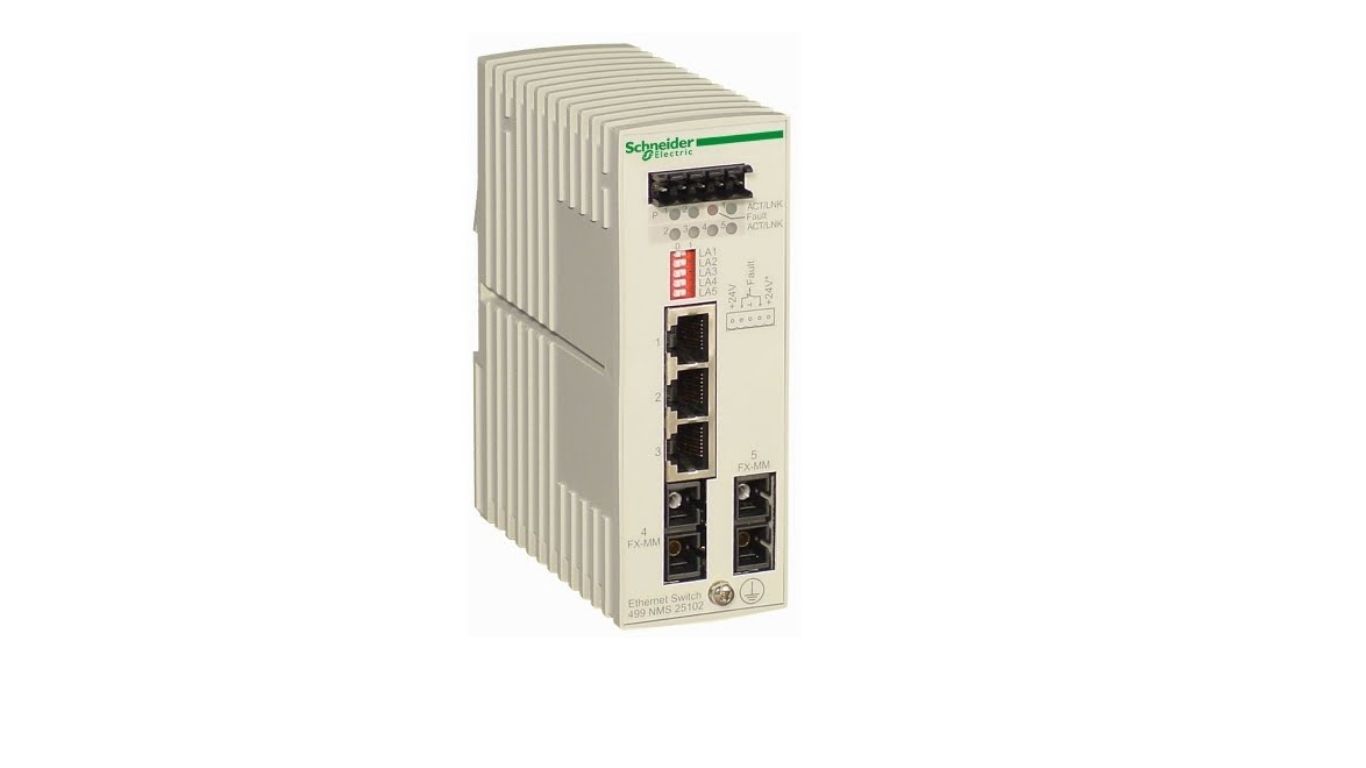
Modern automated production environments rely heavily on interconnected machines, sensors, controllers, and monitoring interfaces. These components continuously exchange data to maintain efficiency, precision, and safety, often supported by specialized infrastructure such as 499NMS25102 – Ethernet TCP/IP switch – ConneXium that enables stable data flow between devices. As industries move toward smart manufacturing and digital transformation, secure communication systems have become essential infrastructure rather than optional enhancements. Without reliable and protected data transmission, even the most advanced automation systems can experience failures, downtime, or security breaches.
The Growing Importance of Secure Industrial Communication
Industrial automation depends on real-time data exchange. Machines coordinate actions, controllers send instructions, and monitoring systems collect performance metrics. If communication channels are compromised or unstable, operations can slow down or halt entirely.
Secure communication ensures that data remains accurate, confidential, and available when needed. It protects against interference, corruption, and unauthorized access. In high-stakes environments such as manufacturing plants, energy facilities, and logistics hubs, a single communication failure can disrupt production schedules, damage equipment, or compromise worker safety.
Key Risks Facing Automated Networks
Industrial networks face a variety of threats that make security essential.
Cybersecurity Threats
As production systems connect to enterprise networks and cloud platforms, they become potential targets for cyberattacks. Unauthorized access can lead to data theft, operational manipulation, or system shutdowns.
Signal Interference
Industrial environments often contain heavy machinery, electromagnetic noise, and physical obstructions. These factors can disrupt signals if networks are not designed with protective measures.
Equipment Failure
Network devices must operate continuously under demanding conditions. Hardware faults, overheating, or power fluctuations can interrupt communication unless redundancy and monitoring systems are in place.
Core Components of Secure Communication Systems
Building a secure communication infrastructure requires more than strong passwords or firewalls. It involves a combination of hardware, protocols, and architecture design.
Industrial Networking Devices
Specialized networking equipment manages traffic, prioritizes critical data, and isolates segments to prevent disruptions. These devices are designed for durability and consistent performance in harsh environments.
Human–Machine Interfaces
Operator interfaces allow personnel to monitor and control automated processes. Secure communication ensures commands are transmitted accurately and system feedback is trustworthy.
Structured Cabling and Connectivity
Reliable cables and connectors reduce signal loss and maintain stable data flow. Proper installation and shielding further enhance communication integrity.
In many implementations, equipment such as 499NMS25102 – Ethernet TCP/IP switch – ConneXium and HMIGTO1310 – advanced touchscreen panel represent the type of specialized hardware used to maintain secure, real-time communication between machines and operators within automated production systems.
Network Architecture Strategies for Security
The design of a network plays a major role in how secure and resilient it is. Even high-quality devices cannot compensate for poor architecture.
Segmentation
Dividing networks into logical sections limits the spread of faults or attacks. For example, separating control systems from administrative networks prevents unauthorized access from affecting production.
Redundancy
Redundant pathways ensure communication continues even if one connection fails. Ring or mesh topologies are commonly used to maintain connectivity in critical environments.
Traffic Prioritization
Time-sensitive data must be transmitted without delay. Prioritizing critical signals prevents congestion from slowing essential communications.
Benefits of Secure Communication in Automation
Investing in secure communication systems delivers measurable advantages across operations.
Improved Reliability
Stable and protected data transmission reduces unexpected downtime. Machines operate in sync, and controllers receive accurate information.
Enhanced Safety
Automation systems often manage hazardous processes. Secure communication ensures emergency signals and shutdown commands are delivered instantly.
Greater Operational Visibility
Reliable networks enable continuous monitoring, allowing managers to track performance, detect anomalies, and optimize production.
Regulatory Compliance
Many industries must meet strict data protection and operational safety standards. Secure communication helps organizations comply with these regulations and avoid penalties.
Best Practices for Implementation
Adopting secure communication systems requires a strategic approach rather than isolated upgrades.
Conduct a Network Assessment
Evaluate existing infrastructure, identify vulnerabilities, and determine performance requirements. Understanding current conditions guides better decision-making.
Use Industrial-Grade Equipment
Devices designed specifically for industrial environments offer durability, extended temperature tolerance, and resistance to vibration or interference.
Apply Strong Access Controls
Authentication, authorization, and encryption protect networks from unauthorized use. Limiting access to essential personnel reduces risk.
Monitor Continuously
Real-time monitoring tools detect unusual activity or performance issues. Early detection allows teams to address problems before they escalate.
The Role of Training and Awareness
Even the most secure system can fail if users lack proper knowledge. Personnel should understand network basics, recognize warning signs, and follow established security procedures. Training programs ensure staff can respond quickly to issues and maintain system integrity.
Organizations that invest in workforce education often experience fewer disruptions because employees can troubleshoot minor problems before they become major failures.
Future Outlook for Industrial Communication Security
As automation advances, communication systems must handle increasing data volumes and device counts. Emerging technologies such as edge computing, predictive analytics, and artificial intelligence depend on reliable connectivity. Security will remain a top priority because the value of industrial data continues to grow.
Future networks will likely incorporate more advanced encryption, intelligent monitoring, and self-healing capabilities. These innovations will allow systems to detect threats, isolate faults, and restore communication automatically.
Conclusion
Secure communication systems are fundamental to the success of automated production environments worldwide. They protect data integrity, maintain operational continuity, and ensure safe interaction between machines and personnel. Without strong communication infrastructure, automation cannot deliver its full potential.
Industrial setups often rely on specialized components such as 499NMS25102 – Ethernet TCP/IP switch – ConneXium and HMIGTO1310 – advanced touchscreen panel to support dependable and protected data exchange. By combining robust hardware, thoughtful network design, and proactive maintenance, organizations can build communication systems that sustain productivity, enhance safety, and support long-term technological growth.