Modern Automation Demands High Accuracy Output Signal Management Systems
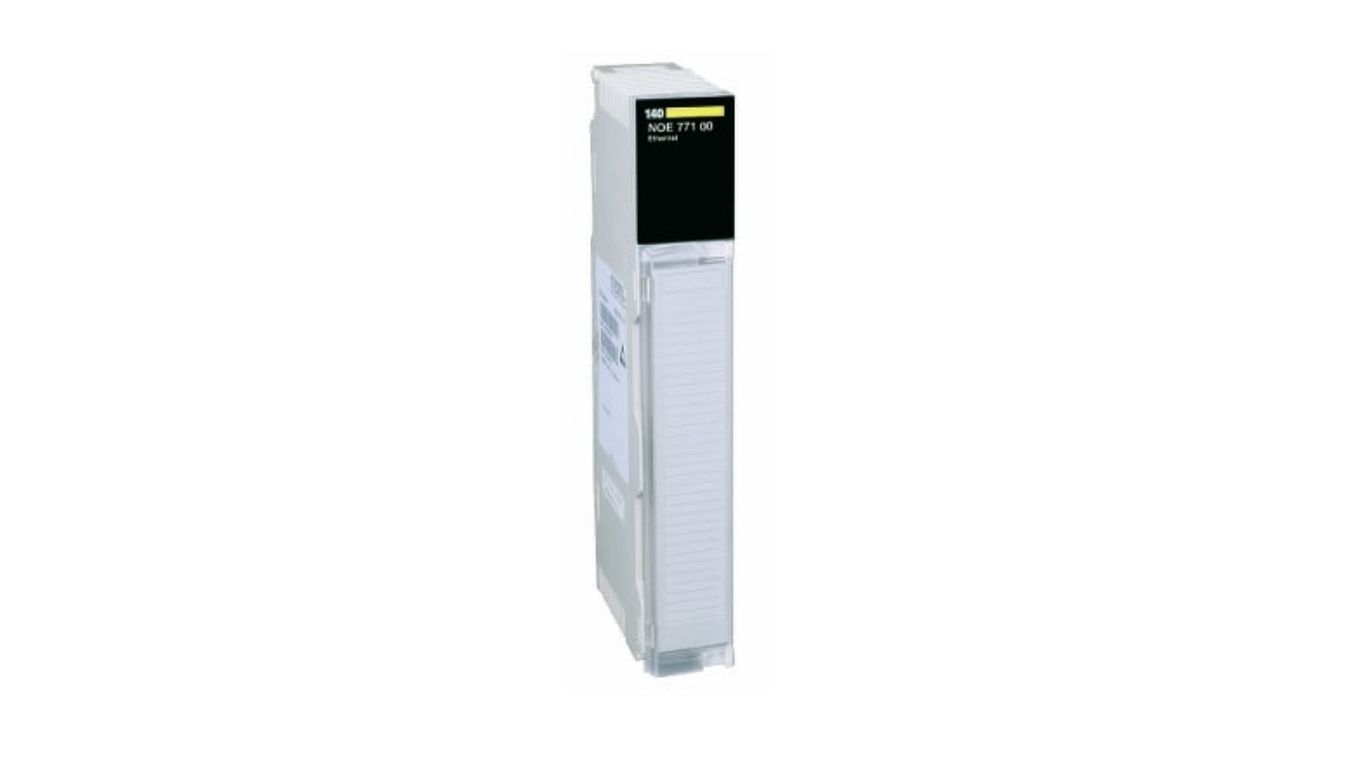
Modern industrial environments rely heavily on precision, speed, and reliability. As automation continues to evolve, the demand for highly accurate output signal management systems has become more critical than ever. Systems such as 140ACO02000 – analog output module Modicon Quantum play an important role in ensuring that machinery, sensors, and control units communicate effectively, enabling seamless operations across manufacturing plants, processing facilities, and energy sectors.
High accuracy in output signals is essential because even minor deviations can lead to production inefficiencies, safety risks, or equipment damage. With increasing complexity in automation systems, maintaining consistent and stable signal output is no longer optional—it is a necessity, and solutions like 140ACO02000 – analog output module Modicon Quantum help achieve this level of precision and reliability.
The Role of Output Signal Management in Automation
Output signal management acts as the backbone of any automated system. It ensures that commands generated by controllers are transmitted accurately to actuators, drives, and other field devices.
Why Accuracy Matters
Accurate signal output is crucial for:
- Maintaining product quality
- Ensuring operational safety
- Reducing downtime and errors
- Enhancing overall system efficiency
Even slight inconsistencies in signal transmission can result in incorrect machine behavior, leading to costly disruptions.
Types of Output Signals
Automation systems typically use different types of output signals, including:
- Analog signals (voltage or current)
- Digital signals (on/off states)
- Pulse signals for timing-based operations
Among these, analog signals require the highest level of precision because they represent continuous values.
Key Challenges in Output Signal Management
Despite technological advancements, industries still face several challenges in managing output signals effectively.
Signal Noise and Interference
Electrical noise from nearby equipment can distort signals, leading to inaccurate outputs. Proper shielding and grounding are essential to minimize this issue.
Calibration Issues
Incorrect calibration can cause deviations in signal output. Regular maintenance and calibration checks are necessary to ensure accuracy.
Environmental Factors
Temperature, humidity, and vibration can impact signal integrity. Systems must be designed to withstand harsh industrial conditions.
Features of High Accuracy Output Systems
To meet modern automation demands, output systems must incorporate advanced features that ensure precision and reliability.
High Resolution and Stability
High-resolution output allows for finer control of processes. Stability ensures that signals remain consistent over time without fluctuation.
Fast Response Time
Quick signal processing and transmission are essential for real-time control applications. Delays can lead to inefficiencies and safety concerns.
Scalability and Flexibility
Modern systems should be scalable to accommodate future expansion and flexible enough to integrate with various control architectures.
Best Practices for Implementing Accurate Output Systems
Implementing a reliable output signal management system requires careful planning and execution.
Proper System Design
A well-designed system considers all factors, including load requirements, environmental conditions, and integration needs.
Regular Maintenance
Routine inspections and maintenance help identify potential issues before they escalate into major problems.
Use of Quality Components
High-quality components ensure better performance, longevity, and reliability of the system.
Common Alerts, Alarms, and Errors
Below is a table outlining typical alerts, alarms, and errors encountered in output signal management systems:
| Category | Description | Possible Cause | Recommended Action |
| Alert | Signal fluctuation detected | Electrical noise | Check shielding and grounding |
| Alert | Minor calibration drift | Temperature variation | Recalibrate system |
| Alarm | Output signal out of range | Configuration error | Verify settings |
| Alarm | Communication failure | Loose connections | Inspect wiring |
| Error | No output signal | Hardware failure | Replace faulty component |
| Error | Continuous incorrect output | Software issue | Update or reset system |
| Alarm | Overload condition | Excessive load | Reduce load or upgrade system |
| Alert | Delayed signal response | Processing lag | Optimize system performance |
Future Trends in Output Signal Management
As automation technologies advance, output signal management systems are becoming more intelligent and efficient.
Integration with Smart Systems
Modern systems are increasingly integrated with smart technologies, enabling real-time monitoring and predictive maintenance.
Enhanced Diagnostics
Advanced diagnostic tools help detect issues early, reducing downtime and improving reliability.
Improved Energy Efficiency
Energy-efficient designs are becoming a priority, helping industries reduce operational costs and environmental impact.
Conclusion
In today’s fast-paced industrial landscape, high accuracy output signal management systems play a vital role in ensuring smooth and efficient operations. From maintaining product quality to enhancing safety, their importance cannot be overstated. By adopting best practices, using quality components, and staying updated with technological advancements, industries can achieve optimal performance and reliability.
The relevance of solutions like 140ACO02000 – analog output module Modicon Quantum and 140ACO02000 Modicon Quantum highlights the growing need for precise and dependable output signal management in modern automation systems.