Next Level Automation Enhancing Productivity Across Complex Industrial Operations Worldwide
Introduction to Modern Industrial Automation
Industrial automation has evolved far beyond basic mechanization. Today, industries rely on intelligent systems capable of analyzing data, predicting failures, and optimizing performance in real time. From manufacturing plants to energy facilities, automation plays a central role in improving efficiency, reducing downtime, and ensuring operational safety, with components like NWBM85S232 Schneider Electric supporting reliable communication within these advanced systems.
As global demand increases and processes become more complex, businesses must adopt next-level automation strategies to remain competitive. These advanced systems integrate hardware, software, and communication technologies to create seamless workflows that enhance productivity across diverse industrial environments.
The Rise of Intelligent Automation Systems
Data-Driven Decision Making
Modern automation systems are powered by data. Sensors, controllers, and monitoring tools continuously collect information from machines and processes. This data is then analyzed to provide actionable insights, enabling operators to make informed decisions quickly.
Real-time analytics allows industries to:
- Detect inefficiencies instantly
- Predict equipment failures before they occur
- Optimize production schedules
- Reduce waste and energy consumption
Integration Across Systems
One of the defining features of next-level automation is system integration. Previously, machines operated in silos, leading to inefficiencies and communication gaps. Today, integrated systems ensure that every component works together harmoniously.
This interconnected environment improves:
- Workflow coordination
- Resource utilization
- Operational transparency
Enhancing Productivity Through Automation
Minimizing Downtime
Downtime is one of the biggest challenges in industrial operations. Advanced automation systems use predictive maintenance techniques to identify potential issues before they lead to failures. This proactive approach significantly reduces unplanned downtime.
Improving Accuracy and Consistency
Human error can lead to inconsistencies in production. Automation eliminates this risk by ensuring precise and repeatable processes. This is especially important in industries where quality control is critical.
Accelerating Production Cycles
Automation speeds up production without compromising quality. Machines can operate continuously with minimal supervision, leading to higher output and faster delivery times.
Role of Advanced Controllers and Components
Smart Control Mechanisms
Controllers are the backbone of any automation system. They manage inputs and outputs, execute programmed instructions, and ensure smooth operation of machinery. Advanced controllers offer enhanced processing capabilities and improved communication protocols.
Scalable System Architecture
Modern automation solutions are designed to scale with business needs. Whether expanding production lines or integrating new technologies, scalable systems provide flexibility and future readiness.
First Keyword Integration Paragraph
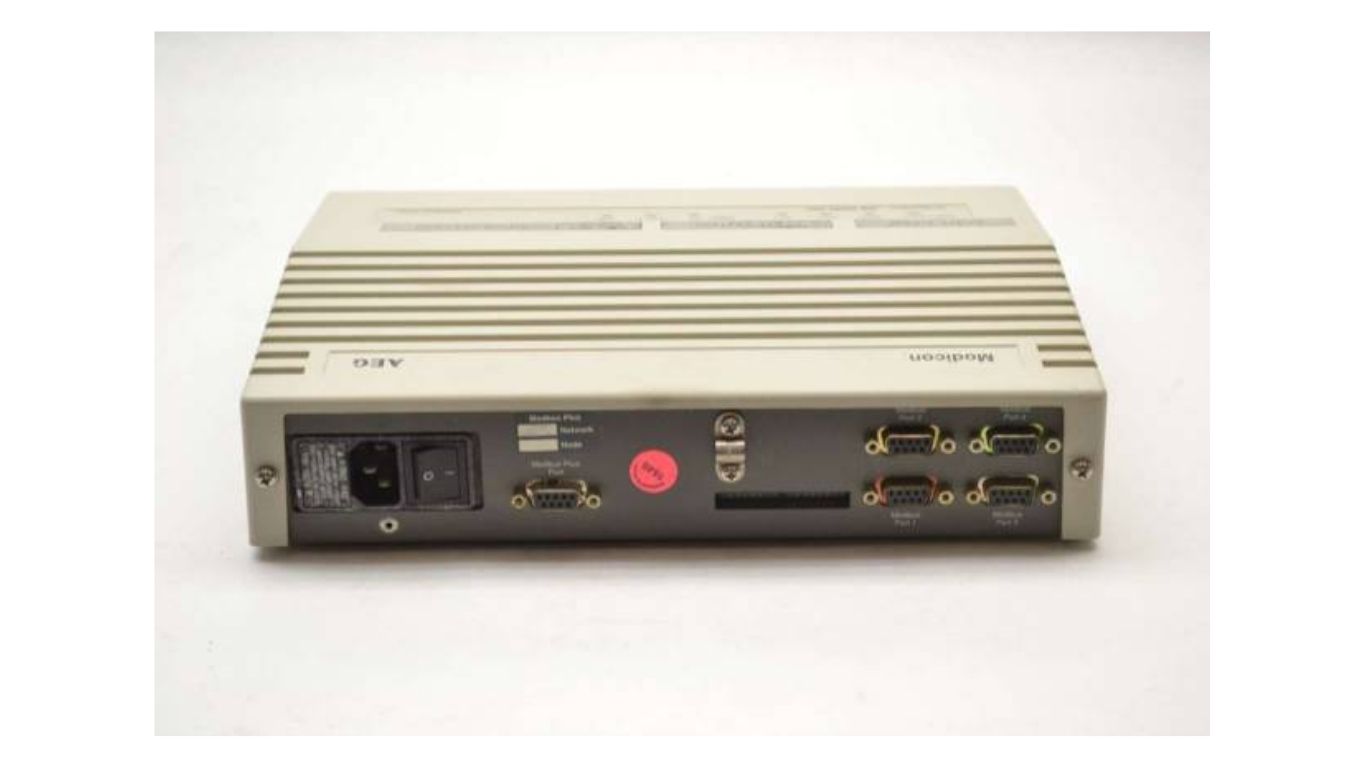
In advanced automation environments, components like NWBM85S232 Schneider Electric and 140DDI85300 Modicon Quantum are often referenced for their role in enabling reliable communication and efficient control within complex systems. These elements contribute to seamless data exchange and robust performance, ensuring that industrial processes operate with precision and stability.
Key Technologies Driving Next-Level Automation
Industrial Internet of Things (IIoT)
IIoT connects machines, devices, and systems, allowing them to communicate and share data. This connectivity enhances visibility and enables smarter decision-making.
Artificial Intelligence and Machine Learning
AI-driven systems can learn from data patterns and improve performance over time. Machine learning algorithms help in:
- Predictive maintenance
- Process optimization
- Anomaly detection
Cloud Computing
Cloud-based platforms store and analyze vast amounts of data. They provide remote access to systems, enabling operators to monitor and control operations from anywhere.
Challenges in Implementing Advanced Automation
High Initial Investment
While automation offers long-term benefits, the initial cost of implementation can be significant. However, the return on investment is often justified through increased efficiency and reduced operational costs.
Skill Gap
Operating and maintaining advanced systems requires skilled personnel. Organizations must invest in training and development to ensure their workforce can effectively manage automated systems.
Cybersecurity Risks
With increased connectivity comes the risk of cyber threats. Protecting sensitive data and ensuring system security is a critical aspect of modern automation.
Common Alerts, Alarms, and Errors
Below is a table outlining common alerts, alarms, and errors encountered in automation systems:
| Alert/Alarm/Error Code | Description | Possible Cause | Recommended Action |
| E101 | Communication Failure | Network disruption | Check connections and restart system |
| E202 | Overload Condition | Excessive load on equipment | Reduce load and inspect machinery |
| E303 | Sensor Malfunction | Faulty or disconnected sensor | Replace or reconnect sensor |
| E404 | Data Transmission Error | Signal interference | Verify cables and shielding |
| E505 | Temperature Threshold Exceeded | Overheating components | Improve cooling and ventilation |
| E606 | Power Supply Fluctuation | Unstable power source | Stabilize power input |
| E707 | System Configuration Error | Incorrect settings | Review and update configuration |
| E808 | Firmware Mismatch | Incompatible software versions | Update firmware |
| E909 | Emergency Stop Activated | Manual or automatic safety trigger | Reset system after inspection |
| E010 | Input/Output Failure | Faulty I/O module | Inspect and replace module |
Future Trends in Industrial Automation
Autonomous Systems
The future of automation lies in fully autonomous systems capable of operating without human intervention. These systems will use advanced AI to make decisions and adapt to changing conditions.
Digital Twins
Digital twins are virtual replicas of physical systems. They allow operators to simulate scenarios, test changes, and optimize performance without affecting real-world operations.
Sustainable Automation
As industries focus on sustainability, automation systems are being designed to reduce energy consumption and minimize environmental impact.
Conclusion
Next-level automation is transforming industrial operations by enhancing productivity, improving efficiency, and ensuring reliability. As technologies continue to evolve, businesses must embrace these advancements to stay competitive in an increasingly complex global landscape. By leveraging intelligent systems and integrating advanced components such as NWBM85S232 Schneider Electric and 140DDI85300 Modicon Quantum, industries can achieve seamless operations and unlock new levels of performance and innovation.