How to Configure a Siemens Operator Panel for PROFINET Networks
Modern industrial automation systems require fast, reliable, and efficient communication between controllers, machines, and human-machine interfaces (HMIs). Siemens operator panels are widely used in manufacturing environments because they provide powerful visualization, control, and monitoring capabilities. When connected through PROFINET networks, these panels allow operators to interact with PLC systems in real time while maintaining high-speed data exchange.
Configuring a Siemens operator panel for a PROFINET network involves hardware setup, network configuration, device integration, and communication testing. Proper configuration ensures smooth operation, reduces downtime, and improves overall system performance. Industrial components such as the 140aco13000c are often considered when designing automation environments that require reliable signal handling and control system compatibility.
Understanding Siemens Operator Panels and PROFINET Communication
Role of Siemens Operator Panels in Industrial Automation
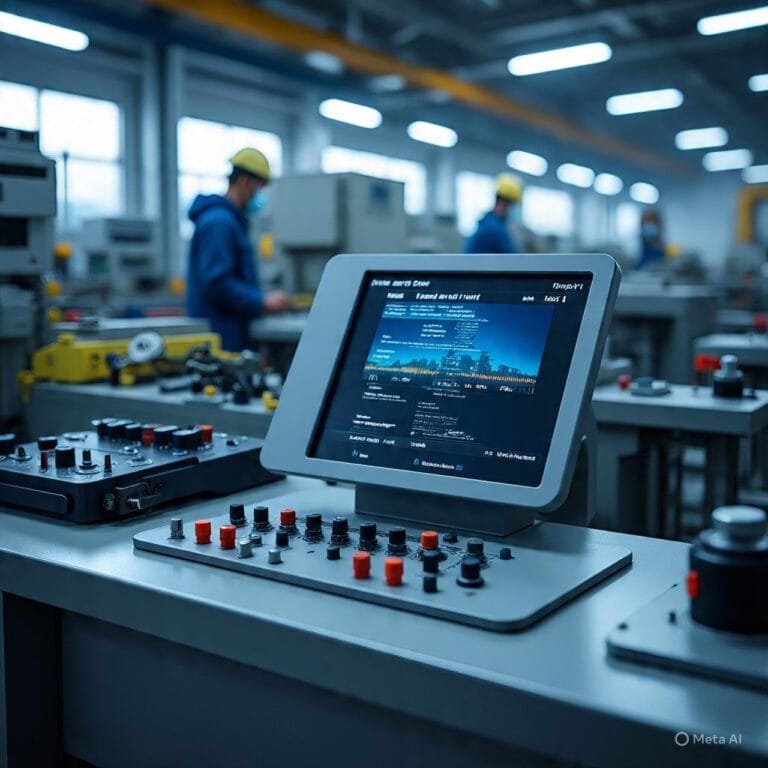
Siemens operator panels act as an interface between operators and automated machines. These devices display important process information, alarms, production data, and machine status. Operators can also use touch screens or buttons to adjust parameters, start processes, and control equipment.
Common Siemens HMI families include basic panels, comfort panels, and advanced industrial displays. These panels are designed to communicate with PLC systems and other automation devices through industrial communication protocols.
Benefits of Using PROFINET Networks
PROFINET is an industrial Ethernet communication standard designed for fast and reliable automation applications. It enables communication between PLCs, HMIs, remote I/O modules, drives, and other field devices.
The main advantages of PROFINET include:
- High-speed data transmission
- Real-time communication capability
- Easy device integration
- Flexible network expansion
- Improved diagnostics and maintenance
Using PROFINET with Siemens operator panels creates a dependable automation environment where operators can monitor and control processes effectively.
Preparing Hardware for Siemens HMI Configuration
Connecting the Operator Panel to the Network
Before configuring software settings, the physical connections must be completed correctly. Connect the Siemens operator panel to the industrial Ethernet network using a suitable PROFINET cable.
Ensure the following:
- The HMI has a working Ethernet port
- The PLC and HMI are connected to the same network
- Network switches support industrial Ethernet communication
- Power supply connections are properly installed
A stable physical connection is essential because communication errors often result from incorrect wiring or network configuration problems.
Checking Device Compatibility
The Siemens operator panel, PLC, and other automation components should support PROFINET communication. Before beginning configuration, verify device models, firmware versions, and communication capabilities.
Industrial automation systems may also include additional modules and signal devices such as the 140aco13000c, which help maintain accurate control operations in complex environments.
Configuring Siemens Operator Panel Using Engineering Software
Creating a New HMI Project
The first step in configuring a Siemens operator panel is creating a new project in Siemens engineering software. Most modern Siemens HMI projects are created using TIA Portal.
Start by:
- Opening a new project
- Adding the required HMI device
- Selecting the correct operator panel model
- Adding the connected PLC device
- Configuring communication settings
Selecting the correct hardware model ensures that available features and communication options are properly enabled.
Setting Up PROFINET Communication
After adding the devices, configure the PROFINET connection between the HMI and PLC.
Important settings include:
- Device name assignment
- IP address configuration
- Network subnet settings
- Communication interface selection
Each PROFINET device must have a unique device name and IP address. Duplicate addresses can cause communication failures and prevent the HMI from connecting with the PLC.
Configuring HMI Tags and Data Exchange
Creating Communication Tags
HMI tags allow the operator panel to read and write data from the PLC. These tags represent values such as temperatures, motor speeds, production counts, alarms, and machine conditions.
To create tags:
- Open the HMI tag configuration section
- Select the PLC connection
- Assign PLC addresses
- Define data types
- Configure update rates
Proper tag management improves system response time and ensures accurate visualization.
Designing Screens and Controls
After communication setup, create HMI screens that allow operators to interact with the machine.
Typical HMI elements include:
- Status indicators
- Control buttons
- Data display fields
- Alarm screens
- Trend graphs
A well-designed interface improves operator efficiency and reduces the chances of incorrect machine operation.
Testing and Troubleshooting PROFINET Communication
Verifying Network Connection
Once configuration is complete, download the project to the Siemens operator panel and test communication.
Check:
- Whether the HMI connects successfully with the PLC
- Whether values update correctly
- Whether alarms function properly
- Whether control commands respond correctly
Network diagnostics tools can help identify connection problems quickly.
Common PROFINET Configuration Problems
Several issues can affect Siemens HMI communication, including:
- Incorrect IP addresses
- Missing PROFINET device names
- Faulty Ethernet cables
- Incorrect PLC communication settings
- Firmware compatibility issues
Checking each configuration step carefully usually resolves most communication errors.
Improving Siemens HMI Network Performance
Maintaining Reliable Industrial Communication
Regular maintenance helps keep PROFINET networks stable. Industrial environments can experience electrical noise, equipment changes, and network expansion challenges.
Recommended practices include:
- Monitoring network status regularly
- Keeping engineering software updated
- Documenting IP addresses and device settings
- Performing routine backups
Reliable communication is especially important in large automation systems where multiple devices operate continuously.
Expanding Automation Systems
As production requirements increase, PROFINET networks can be expanded by adding additional HMIs, PLCs, remote I/O stations, and automation modules. Proper planning ensures that new devices integrate smoothly without affecting existing operations.
Components such as the 140aco13000c demonstrate the importance of dependable industrial control equipment in maintaining efficient automation processes.
Conclusion
Configuring a Siemens operator panel for PROFINET networks requires careful planning, correct hardware installation, and accurate software configuration. By properly assigning network parameters, creating communication tags, and testing connections, engineers can build a reliable HMI system for industrial applications.
PROFINET provides fast and flexible communication between Siemens HMIs and automation devices, making it an excellent choice for modern manufacturing environments. With proper configuration and maintenance, Siemens operator panels can deliver efficient monitoring, control, and improved productivity across various industrial operations.
FAQs
1. What software is used to configure a Siemens operator panel?
Siemens operator panels are commonly configured using TIA Portal engineering software, which allows users to create HMI projects, configure communication, and design operator screens.
2. Why is PROFINET used for Siemens HMI communication?
PROFINET provides fast Ethernet-based communication, reliable data exchange, and easy integration between Siemens HMIs, PLCs, and other industrial automation devices.
3. What should I check if my Siemens HMI cannot communicate with a PLC?
Check the IP addresses, PROFINET device names, Ethernet connections, PLC communication settings, and firmware compatibility to identify and resolve communication problems.