Achieving Efficient Power System Monitoring with Smart Networking Capabilities
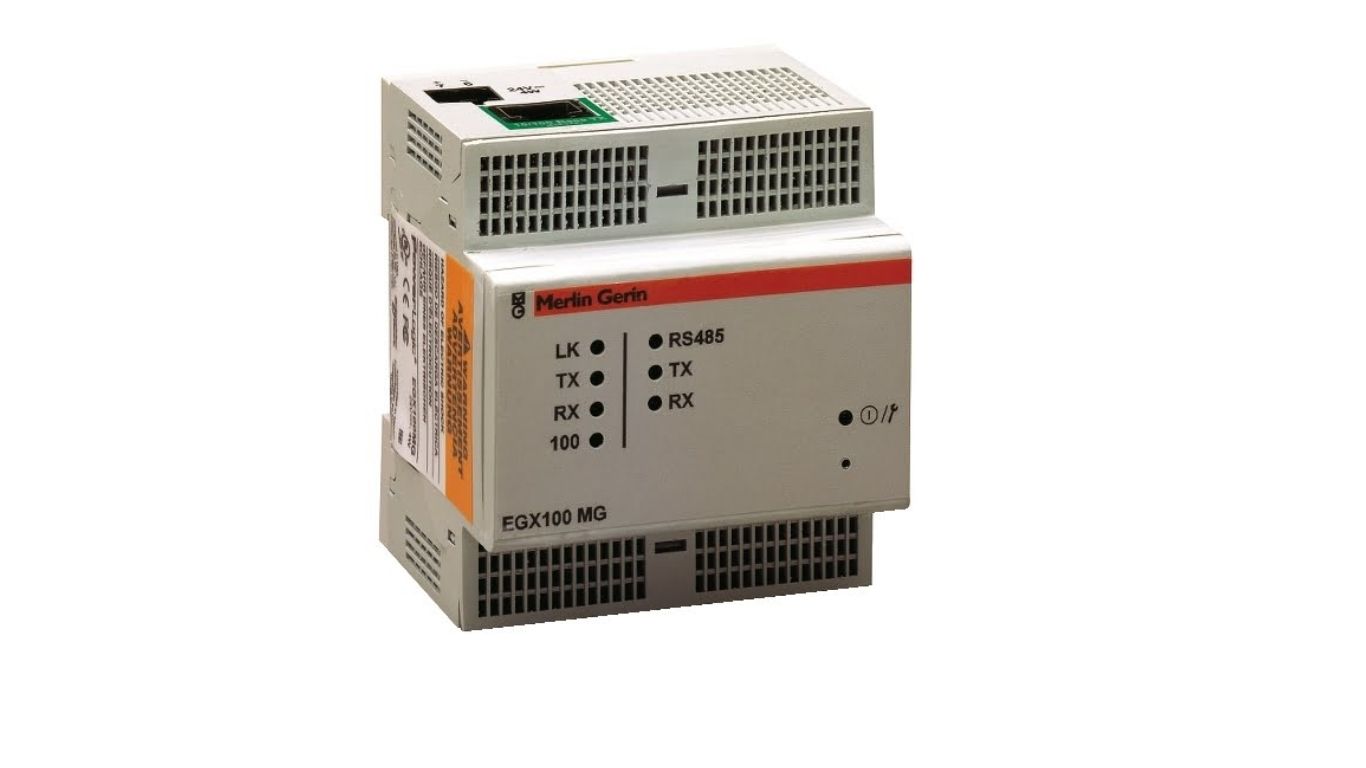
Efficient power system monitoring has become a critical requirement in modern electrical infrastructure. With increasing complexity in industrial and commercial power networks, traditional monitoring methods are no longer sufficient. Technologies such as EGX100MG – ethernet gateway – PowerLogic EGX100 and 140DDI84100 Modicon Quantum are often referenced in discussions around advanced networking and automation, highlighting the importance of smart communication tools in achieving better control and visibility across power systems.
The Importance of Smart Networking in Power Systems
Evolving Energy Infrastructure
Power systems today are more dynamic than ever. The integration of renewable energy sources, distributed loads, and automation systems has created a need for intelligent monitoring solutions. Smart networking allows different components within the system to communicate effectively, ensuring seamless operation and coordination.
Real-Time Data Accessibility
One of the major advantages of smart networking is real-time access to data. Operators can monitor voltage, current, energy consumption, and system status instantly. This immediate visibility helps in identifying issues before they escalate into major failures.
Key Components of Smart Monitoring Systems
Communication Gateways
Communication gateways act as bridges between devices and central monitoring systems. They enable data exchange between different protocols and ensure compatibility among various equipment. These gateways are essential for collecting and transmitting data efficiently across the network.
Intelligent Controllers
Controllers play a vital role in managing and processing data. They collect inputs from sensors and devices, analyze the information, and execute control actions when necessary. This helps maintain system stability and efficiency.
Monitoring Software
Advanced monitoring software provides a user-friendly interface for analyzing system performance. It offers features such as data visualization, reporting, and alert management, making it easier for operators to understand system behavior.
Benefits of Smart Networking for Power Monitoring
Improved Operational Efficiency
Smart networking enables automation and reduces the need for manual intervention. This leads to faster response times and improved operational efficiency.
Enhanced Reliability
Continuous monitoring ensures that any irregularities are detected early. This minimizes downtime and enhances system reliability.
Better Energy Management
With accurate data and analytics, organizations can optimize energy usage, reduce waste, and improve overall efficiency.
Scalability and Flexibility
Smart systems are designed to be scalable, allowing easy expansion as the network grows. This flexibility is crucial for adapting to future requirements.
Role of Automation in Monitoring Systems
Integration with Control Systems
Automation systems integrate monitoring and control functions, enabling real-time adjustments based on system conditions. This ensures optimal performance and prevents overload situations.
Data-Driven Decision Making
Automation tools use data analytics to support decision-making processes. By analyzing trends and patterns, operators can implement strategies that improve system performance and reliability.
Common Alerts, Alarms, and Errors of Product XYZ
Below is a table outlining typical alerts, alarms, and errors that may occur in a monitoring or networking device (referred to as Product XYZ):
| Category | Alert/Alarm/Error Name | Description | Possible Cause | Recommended Action |
| Alert | Communication Timeout | Device not responding within expected time | Network congestion or disconnection | Check network cables and settings |
| Alarm | Data Transmission Failure | Data not reaching the central system | Protocol mismatch | Verify configuration and compatibility |
| Error | Device Configuration Error | Incorrect setup or parameters | Human error during setup | Reconfigure device settings |
| Alert | High Network Latency | Delay in data transmission | Overloaded network | Optimize network traffic |
| Alarm | Power Supply Issue | Inconsistent power to device | Voltage fluctuation | Stabilize power input |
| Error | Firmware Malfunction | Device software not functioning properly | Outdated or corrupted firmware | Update or reinstall firmware |
| Alert | Temperature Warning | Device temperature exceeds normal limits | Poor ventilation | Improve cooling |
| Alarm | Input Signal Loss | No signal received from connected devices | Faulty wiring | Inspect connections |
| Error | Memory Overflow | Storage capacity exceeded | Excessive data logging | Clear or expand memory |
| Alarm | Unauthorized Access | Security breach attempt detected | Weak security settings | Strengthen authentication protocols |
Challenges in Implementing Smart Networking
Integration Complexity
Integrating smart networking solutions with existing infrastructure can be challenging. It requires careful planning and compatibility checks to ensure seamless operation.
Cybersecurity Risks
As systems become more connected, they are also more vulnerable to cyber threats. Implementing strong security measures is essential to protect sensitive data.
Initial Investment
The cost of deploying smart monitoring systems can be significant. However, the long-term benefits often outweigh the initial investment.
Future Trends in Power System Monitoring
Internet of Things (IoT)
IoT technology is playing a significant role in enhancing connectivity and data collection. It enables devices to communicate more efficiently and provides deeper insights into system performance.
Artificial Intelligence and Machine Learning
AI and machine learning are being used to improve predictive maintenance and fault detection. These technologies help identify potential issues before they occur.
Cloud-Based Monitoring
Cloud platforms allow remote access to data and advanced analytics. This improves accessibility and enables better collaboration among teams.
Conclusion
Efficient power system monitoring is essential for ensuring reliability, efficiency, and sustainability in modern energy networks. Smart networking capabilities enable seamless communication, real-time data access, and advanced automation, transforming the way power systems are managed. By leveraging solutions like EGX100MG – ethernet gateway – PowerLogic EGX100 and 140DDI84100 Modicon Quantum, organizations can achieve enhanced operational control, improved decision-making, and a more resilient power infrastructure.