 59658 Ethernet Ports Interface
 Critical Factors When Selecting Industrial Expansion Devices for Automation Systems
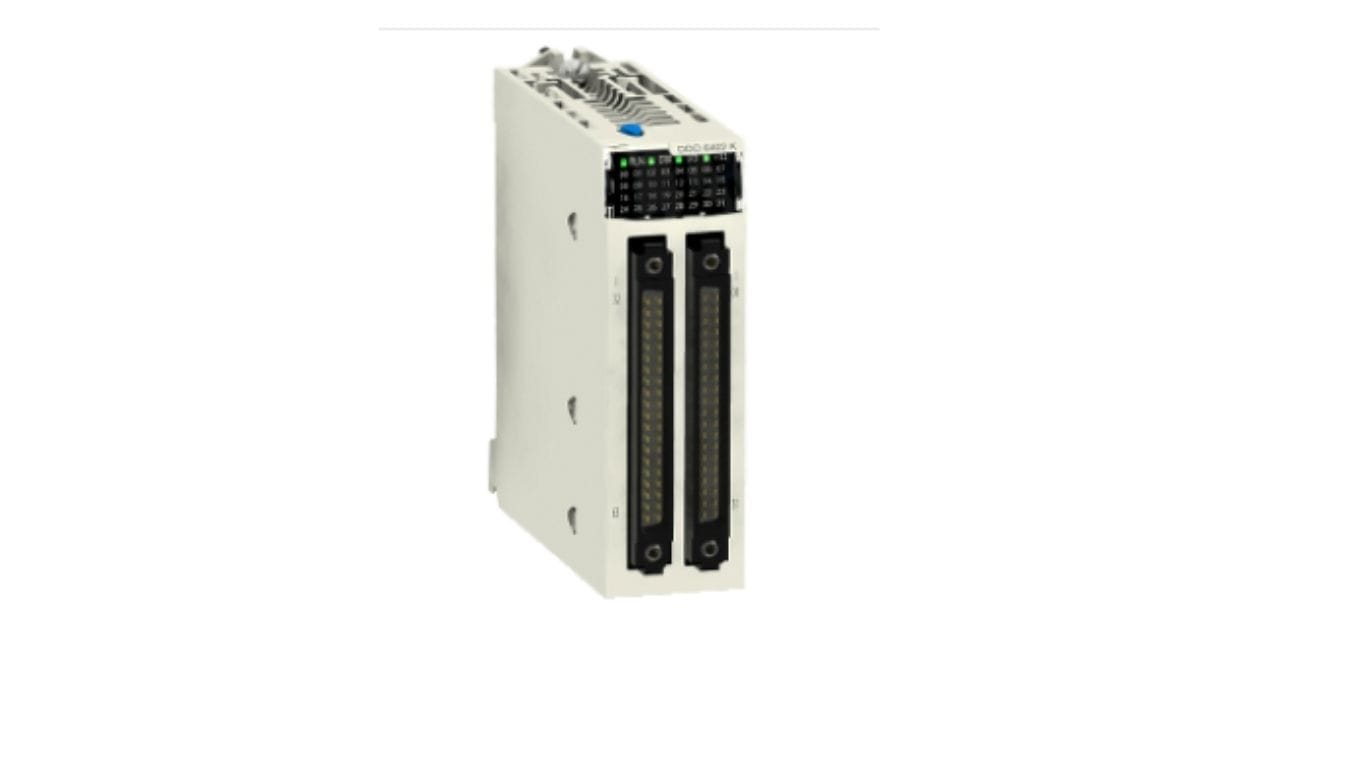
Industrial automation systems rely on expansion hardware to extend control capabilities, improve flexibility, and support growing operational demands. Choosing the right expansion device is a crucial decision because it directly affects system reliability, scalability, safety, and long-term maintenance costs. Engineers and system integrators must evaluate multiple technical and environmental factors before selecting a module—such as the BMXDDO6402K – discrete output module X80—to ensure seamless integration with existing infrastructure.
Understanding the Role of Expansion Devices
Expansion devices are used to increase the input and output capacity of programmable control systems. They allow operators to add more sensors, actuators, and control points without replacing the main controller. This modular approach simplifies upgrades and supports system customization.
Why Expansion Hardware Matters
Expansion modules determine how effectively a system communicates with field devices. Poorly chosen hardware can cause communication delays, overheating, signal errors, or even complete system failure. A well-selected device ensures stable performance and supports future expansion without major redesign.
Key Technical Considerations
When evaluating expansion devices, technical specifications should always be reviewed first.
Compatibility with Existing Systems
The expansion unit must match the electrical and communication standards of the current automation setup. Voltage ranges, signal types, and bus protocols must align perfectly to prevent operational conflicts.
Channel Density and Configuration
Different applications require different numbers of output or input channels. High-density modules are ideal for compact control panels, while lower-density options may be better for distributed architectures.
Signal Type Support
Industrial environments use a mix of digital, analog, and specialty signals. The chosen device should support the signal types required by the application, including relay, transistor, or triac outputs.
Response Speed
Fast response times are essential for high-precision processes such as packaging lines or robotic operations. Devices with slower switching speeds may cause timing mismatches and reduced accuracy.
Environmental and Mechanical Factors
Automation hardware must operate reliably under harsh conditions.
Temperature and Humidity Resistance
Factories often experience wide temperature fluctuations and high humidity. Expansion modules should be rated for industrial temperature ranges and moisture resistance.
Vibration and Shock Tolerance
Machinery vibration can loosen connections or damage sensitive electronics. Devices with reinforced housing and secure terminal designs are preferable for heavy-duty environments.
Installation Space
Control cabinets vary in size. Compact modules help save space and allow easier cable routing, especially in densely packed panels.
Connectivity and Wiring Efficiency
Efficient wiring design reduces installation time and maintenance effort.
Terminal Design
Clear labeling, removable connectors, and secure locking mechanisms simplify troubleshooting and reduce wiring errors.
Cable Management
Modules that support organized cable routing minimize clutter and improve airflow inside control panels.
Example Configuration Components
In many automation setups, engineers integrate components such as BMXDDO6402K – discrete output module X80 together with BMXFTB2820 – Terminal Block, Modicon X80, 28-pin to streamline signal distribution and connection reliability within modular control architectures.
Reliability and Safety Standards
Industrial systems often run continuously for long periods, so reliability is critical.
Certification and Compliance
Look for devices that meet international safety and electromagnetic compatibility standards. Compliance ensures safe operation and reduces the risk of interference with nearby equipment.
Protection Features
Short-circuit protection, overload protection, and status diagnostics are essential features. These safeguards prevent damage and help technicians identify faults quickly.
Redundancy Options
For mission-critical operations, redundant modules can maintain system functionality even if one unit fails. This is especially important in industries such as energy, transportation, and pharmaceuticals.
Scalability and Future Expansion
A good expansion device should not only meet current needs but also support future growth.
- Modular designs allow additional units to be added easily.
- Stackable or rack-based systems simplify expansion.
- Firmware-upgradable devices can adapt to new protocols or features.
Selecting scalable hardware reduces long-term costs because the system can grow without major replacements.
Maintenance and Diagnostics
Maintenance efficiency is often overlooked during purchasing decisions, yet it significantly impacts operational downtime.
Built-In Diagnostics
Modules with LED indicators or software monitoring tools allow technicians to identify issues instantly. This reduces troubleshooting time and improves productivity.
Replaceable Components
Hot-swappable modules enable replacement without shutting down the entire system. This feature is valuable in continuous production environments.
Comparison Table: Expansion Module vs Market Alternatives
| Feature | Featured Module | Competitor A | Competitor B | Competitor C |
| Channel Capacity | High density outputs | Medium density | High density | Low density |
| Installation Type | Rack mounted | DIN rail | Rack mounted | DIN rail |
| Wiring Interface | Detachable terminal | Fixed terminal | Detachable | Fixed |
| Diagnostics | Advanced indicators | Basic LEDs | Advanced | Limited |
| Expansion Support | Modular scalable | Limited | Modular | Limited |
| Industrial Rating | Heavy duty | Standard | Heavy duty | Standard |
| Maintenance Ease | Quick replace design | Moderate | Quick replace | Moderate |
Note: Competitors represent typical alternatives available in the industrial automation market without referencing specific manufacturers.
Cost vs Performance Balance
Price should never be the sole deciding factor. Lower-cost modules may lack durability or advanced diagnostics, leading to higher maintenance expenses over time. Instead, evaluate total cost of ownership, which includes installation, downtime risk, energy consumption, and expected lifespan.
Integration with Modern Automation Trends
Today’s automation systems increasingly rely on smart monitoring, remote diagnostics, and data analytics. Expansion hardware should support integration with supervisory software and industrial networks. Devices that allow data feedback can contribute to predictive maintenance strategies, improving overall system efficiency.
Final Thoughts
Selecting the right expansion device is a strategic decision that affects performance, safety, and scalability. Engineers must assess compatibility, environmental durability, wiring design, diagnostic capabilities, and long-term expansion potential before making a choice. Solutions incorporating components such as BMXDDO6402K – discrete output module X80 and BMXFTB2820 – Terminal Block, Modicon X80, 28-pin illustrate how carefully matched modules and connection interfaces can enhance reliability, simplify installation, and support future automation growth.