Future Ready Systems Designed to Optimize Efficiency and Operational Flexibility
Introduction
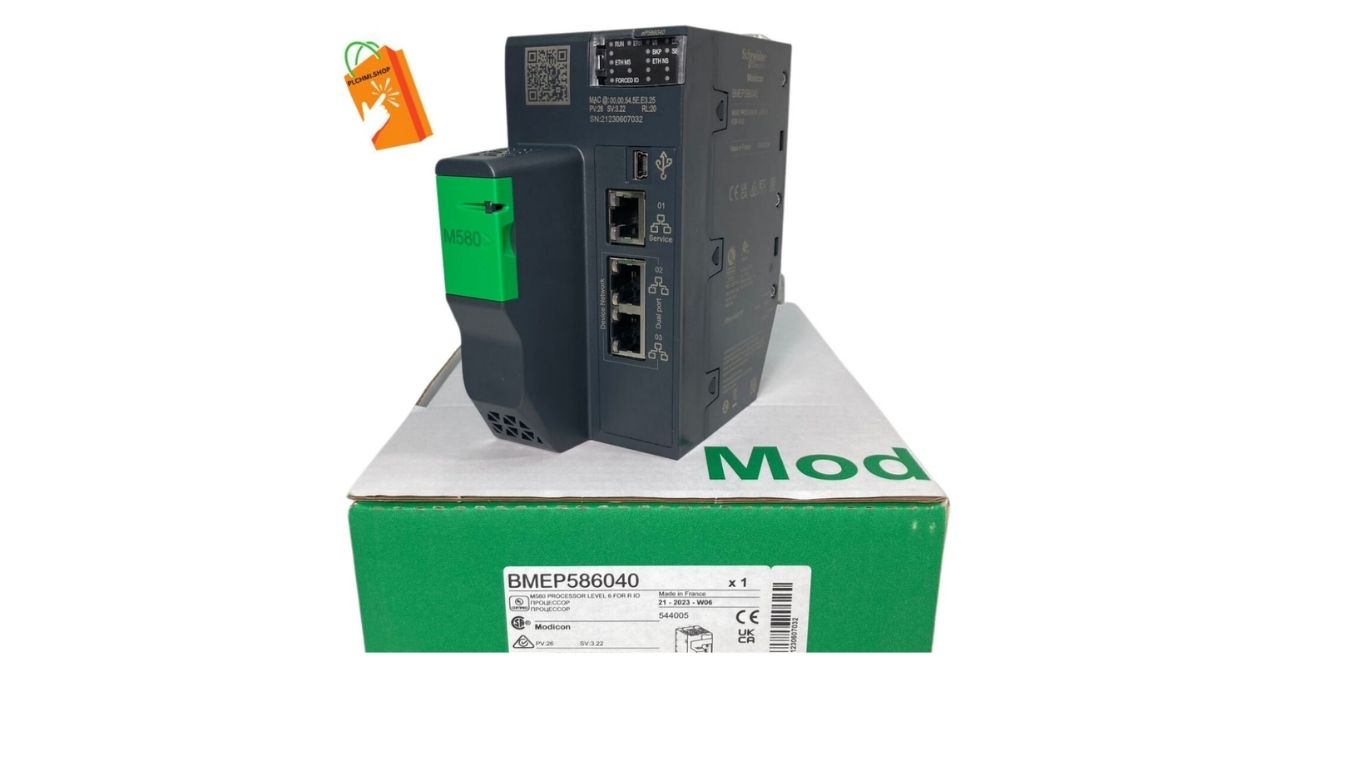
Modern industries are evolving at a rapid pace, requiring systems that are not only efficient but also flexible enough to adapt to changing demands. Future-ready systems are designed to meet these needs by integrating advanced technologies, scalable architectures, and intelligent control mechanisms. The BMEP586040 Processor Module Modicon M580 plays a vital role in supporting these capabilities by enabling reliable processing and seamless control within complex industrial environments. These systems help organizations streamline operations, reduce downtime, and enhance overall productivity while maintaining the agility needed in competitive environments.
The Need for Future-Ready Systems
Industries today face challenges such as increasing production demands, complex workflows, and the need for real-time decision-making. Traditional systems often struggle to keep up with these requirements due to limited scalability and outdated infrastructure. Future-ready systems address these gaps by offering improved processing capabilities, better communication between components, and enhanced data handling.
These systems are particularly important in manufacturing, energy, and process industries where efficiency and precision directly impact profitability. By adopting modern solutions, organizations can ensure long-term sustainability and resilience in their operations.
Key Features of Modern Industrial Systems
Scalability and Flexibility
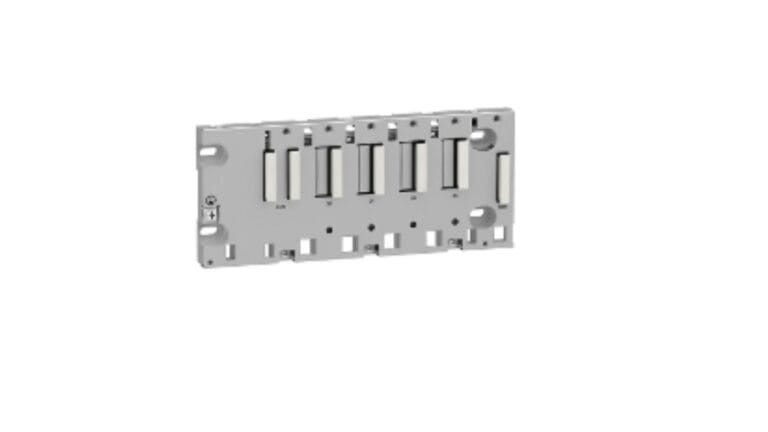
One of the defining characteristics of future-ready systems is scalability. Organizations can expand their operations without completely overhauling existing infrastructure. Flexible system designs allow seamless integration of new modules, devices, and technologies as business needs evolve.
Real-Time Monitoring and Control
Advanced systems enable real-time monitoring of processes, helping operators make informed decisions quickly. This reduces the risk of errors and improves response times during critical situations. Real-time control also ensures that processes remain within defined parameters, enhancing safety and reliability.
Improved Data Handling
Data plays a crucial role in modern industrial environments. Future-ready systems are capable of collecting, processing, and analyzing large volumes of data efficiently. This enables predictive maintenance, performance optimization, and better resource management.
Enhancing Efficiency Through Advanced Processing
The integration of high-performance processing units significantly improves system efficiency. These processors handle complex tasks with ease, ensuring smooth operation even under heavy workloads.
The BMEP586040 Processor Module Modicon M580 plays a crucial role in enabling high-speed data processing and reliable control in industrial environments. Its advanced capabilities allow systems to execute complex operations efficiently, reducing delays and improving overall performance. By incorporating such processing solutions, industries can achieve greater precision and consistency in their operations.
Operational Flexibility in Dynamic Environments
Flexibility is essential for industries that operate in dynamic and unpredictable environments. Future-ready systems are designed to adapt quickly to changes in production requirements, market demands, and technological advancements.
These systems support modular configurations, allowing organizations to customize their setup according to specific needs. This adaptability ensures that businesses can respond effectively to challenges without compromising efficiency or quality.
Integration and Connectivity
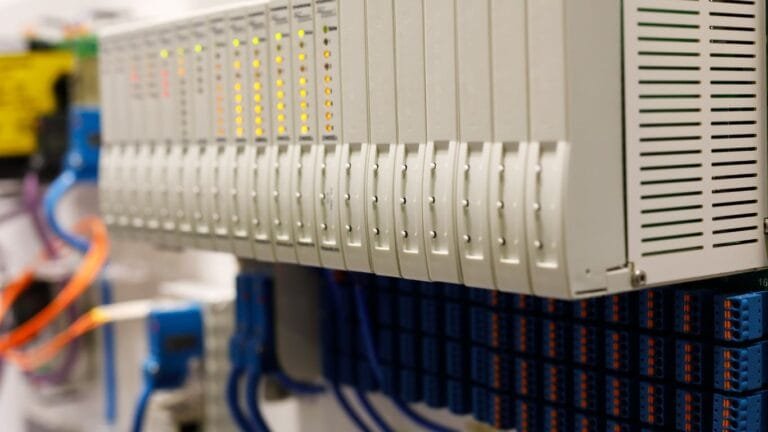
Seamless integration is another critical aspect of modern systems. Future-ready solutions support communication between different components, devices, and networks. This connectivity enables centralized control and monitoring, simplifying complex operations.
With improved integration, organizations can achieve better coordination between various processes, leading to enhanced productivity and reduced operational costs. Connectivity also facilitates remote monitoring, allowing experts to manage systems from different locations.
Reducing Downtime and Maintenance Costs
Downtime can have a significant impact on productivity and profitability. Future-ready systems are designed to minimize downtime through predictive maintenance and advanced diagnostics.
By continuously monitoring system performance, these systems can identify potential issues before they escalate into major problems. This proactive approach reduces maintenance costs and ensures uninterrupted operations.
Common Alerts, Alarms, and Errors
Below is a table highlighting typical alerts, alarms, and errors that may occur in advanced industrial systems:
| Alert/Alarm/Error Type | Description | Possible Cause | Recommended Action |
| Communication Failure | Loss of connection between system components | Network issues or faulty cables | Check network configuration and connections |
| Overheating Warning | Temperature exceeds safe limits | Poor ventilation or heavy workload | Inspect cooling systems and reduce load |
| Input/Output Fault | Error in signal transmission | Damaged I/O modules or wiring issues | Verify connections and replace faulty components |
| Power Supply Error | Irregular or insufficient power | Power fluctuations or hardware failure | Stabilize power source and inspect hardware |
| Memory Overflow | System memory exceeds capacity | Excessive data processing or poor optimization | Optimize processes and clear unused data |
| Configuration Error | Incorrect system setup | Misconfigured parameters | Review and correct system settings |
| Hardware Failure | Malfunction of internal components | Wear and tear or manufacturing defects | Replace defective hardware |
| Software Glitch | Unexpected system behavior | Bugs or outdated software | Update or reinstall software |
The Role of Innovation in Future Systems
Innovation continues to drive the development of future-ready systems. Emerging technologies such as artificial intelligence, machine learning, and the Industrial Internet of Things (IIoT) are transforming how industries operate.
These technologies enable systems to learn from data, predict outcomes, and optimize processes automatically. As a result, organizations can achieve higher levels of efficiency and operational excellence.
Ensuring Long-Term Sustainability
Sustainability is a key consideration in modern industrial practices. Future-ready systems contribute to sustainability by optimizing resource usage, reducing waste, and improving energy efficiency.
By implementing advanced control strategies, organizations can minimize their environmental impact while maintaining high levels of productivity. This not only benefits the environment but also enhances the company’s reputation and compliance with regulations.
Conclusion
Future-ready systems are essential for industries aiming to stay competitive in an ever-changing landscape. By focusing on efficiency, flexibility, and innovation, these systems provide a strong foundation for sustainable growth and success.
The integration of advanced components such as the BMEP586040 Processor Module Modicon M580 and reliable solutions like 140ATI03000 Used ensures that industrial operations remain efficient, adaptable, and capable of meeting modern demands.