Industrial Process Management: 6 Keys to Peak Efficiency
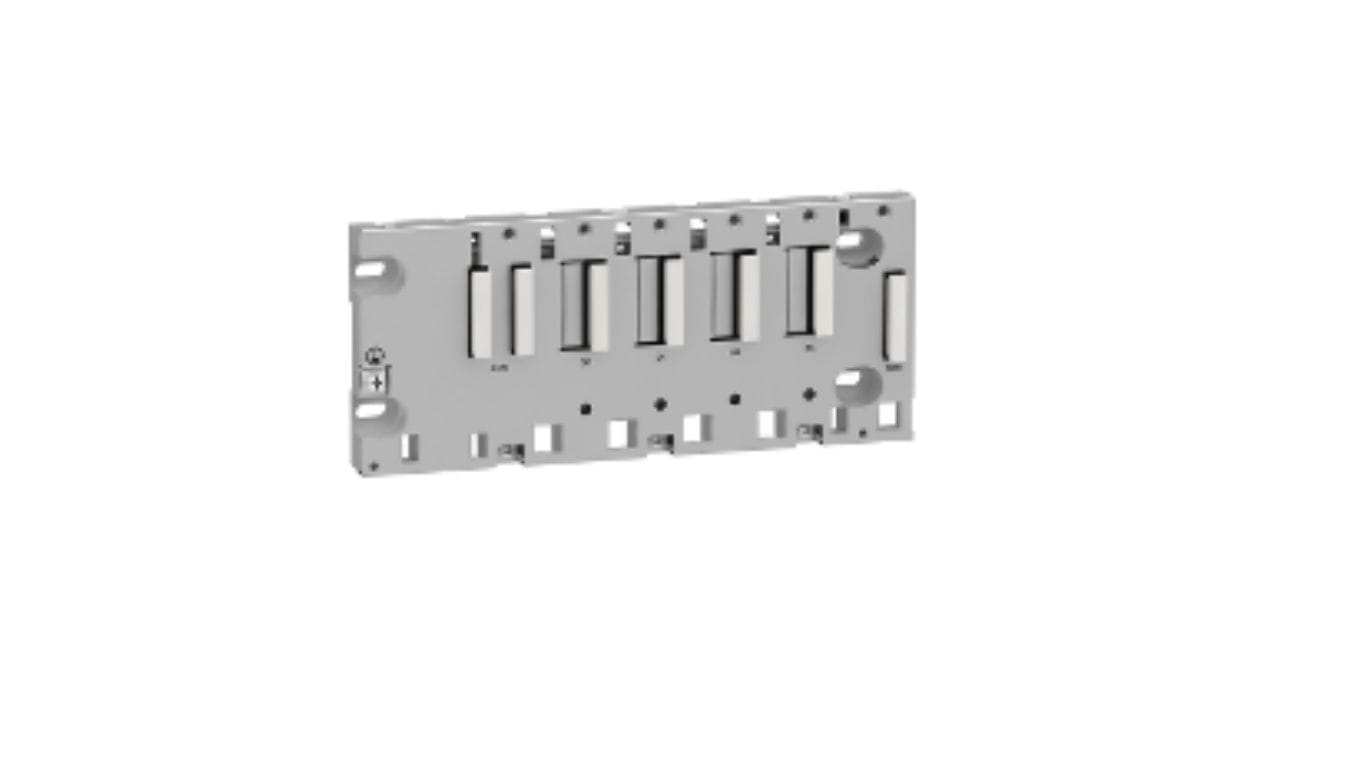
Modern industries are being transformed by intelligent control, real-time data visibility, and scalable automation. At the center of this shift is high-efficiency industrial process management that streamlines workflows, reduces downtime, and improves precision. A good example is the BMXXBP0600 Modicon M340 automation platform, a class of modular control backplanes built to support flexible automation infrastructure. Architectures like this let facilities expand capacity, integrate multiple devices, and hold performance steady under demanding conditions.
1. The Growing Importance of Efficient Industrial Process Management
Efficiency is no longer just about speed — it’s about optimal performance with reliability, safety, and scalability. Modern lines coordinate robotic assemblies, monitor environmental variables, and manage energy use all at once. Strong industrial process management synchronizes equipment, optimizes signal processing, and ensures rapid response to changing inputs. That’s why controllers with advanced processing, such as the BMXP341000 Modicon M340 processor, are prized: processing speed and stability directly shape accuracy and reliability.
2. Modular Architectures for Scalable Industrial Process Management
Flexible Infrastructure for Expanding Facilities
Modularity is a defining feature of advanced platforms. A modular control system lets engineers add or remove components without redesigning the whole architecture — essential where production needs change often. The Modicon M340 class shows how modular design supports incremental growth, scaling from small setups to large distributed systems without replacing core hardware, cutting long-term cost and upgrade disruption.
Integration With Diverse Industrial Devices
Modular systems integrate seamlessly with sensors, actuators, drives, and monitoring equipment through standardized protocols. Data flows efficiently between devices and control software, supporting real-time monitoring and predictive maintenance that detects failures before they happen.
3. Processing Capacity and Signal Management
Signal-handling capability determines how well a controller manages real-world processes. Systems supporting up to 512 discrete signal points show how modern controllers balance capacity and performance. Discrete signals represent binary states — on/off, open/closed — and form the foundation of machine control logic. Higher discrete capacity means more sensors and actuators managed at once, ideal for packaging lines, assembly plants, and material handling.
Advanced controllers also process analog inputs measuring temperature, pressure, and flow. Combining both signal types in one system improves versatility, eliminates extra interface hardware, and reduces failure points.
4. Network Connectivity and Data Exchange
High-efficiency platforms depend on robust networks. Ethernet-based industrial communication lets controllers, operator interfaces, and supervisory systems exchange data instantly, so managers can monitor metrics, adjust parameters remotely, and analyze trends. Networking also connects to enterprise software for inventory, scheduling, and quality assurance, and enables remote diagnostics — engineers troubleshoot and deploy updates off-site, reducing maintenance time for around-the-clock operations.
5. Energy Efficiency in Industrial Process Management
As industries meet environmental standards and cut costs, energy efficiency is a priority. High-efficiency systems optimize machine cycles, control power usage, and minimize waste. Intelligent controllers adjust operating parameters to real-time demand, running equipment only when needed. Aligning with frameworks like ISO 50001 energy management, these improvements lower energy consumption and emissions while maintaining productivity.
6. Implementation Strategies for Maximum Benefit
Deploying advanced automation takes planning. Start with a thorough assessment of signal requirements, processing demands, and expansion goals, then design architectures that balance current function with future scalability. Simulation testing before installation verifies logic and surfaces issues early. Training matters too — operators and maintenance staff must configure, monitor, and troubleshoot the system to avoid costly user-error downtime.
Market Comparison of Similar Control Platforms
| Platform | I/O Capacity | Ideal Facility Size | Key Advantages |
|---|---|---|---|
| Modicon M340 (reference) | Up to mid-range | Medium facilities | Modular design, balanced performance |
| Competitor A | Medium to high | Large plants | Advanced diagnostics, fast processing |
| Scalable platform (M580 class) | Scalable | Multi-line production | Flexible networking, expansion modules |
| Competitor C | Medium | Machine automation | Strong motion coordination |
| Competitor D | High | Heavy industry | Rugged construction, long lifecycle |
Competitor names are generalized for brand neutrality.
Future Outlook for Industrial Process Management
Automation is moving toward intelligent, interconnected systems. Artificial intelligence, machine learning, and edge computing — core pillars of Industry 4.0 — are integrating with traditional controllers to predict maintenance, optimize schedules, and adapt to demand automatically. As these mature, high-efficiency platforms will deliver faster processing, stronger cybersecurity, and deeper analytics. Solutions built on the BMXP341000 processor and Modicon M340 with 512 discrete configurations show how modern industrial process management delivers scalable signal handling and reliable automation. Explore our Modicon M340 range to build an efficient, future-ready system.
Frequently Asked Questions
What is industrial process management? Industrial process management is the coordinated control, monitoring, and optimization of production processes using automation hardware and software. It combines controllers, I/O, networking, and analytics to keep operations efficient, reliable, and scalable.
Why is modular design important for industrial process management? Modular platforms like the Modicon M340 let engineers add or swap components without redesigning the system. This makes it cheap and fast to scale from small setups to large distributed systems as production needs change.
What does “512 discrete signal points” mean? It’s the number of binary (on/off) signals a controller can manage at once — switches, relays, and sensors. A higher discrete capacity lets one controller handle more devices, suiting complex lines like packaging and assembly.
How does industrial process management improve energy efficiency? Intelligent controllers adjust machine cycles and power use to real-time demand, running equipment only when needed. Over time this lowers energy consumption and emissions while keeping output steady, often aligned with ISO 50001.
What role will AI play in future industrial process management? AI, machine learning, and edge computing are merging with traditional controllers to predict maintenance, optimize schedules, and adapt to demand automatically — making future platforms faster, more secure, and more data-driven.