Operational Visibility: 7 Ways to Boost Plant Performance
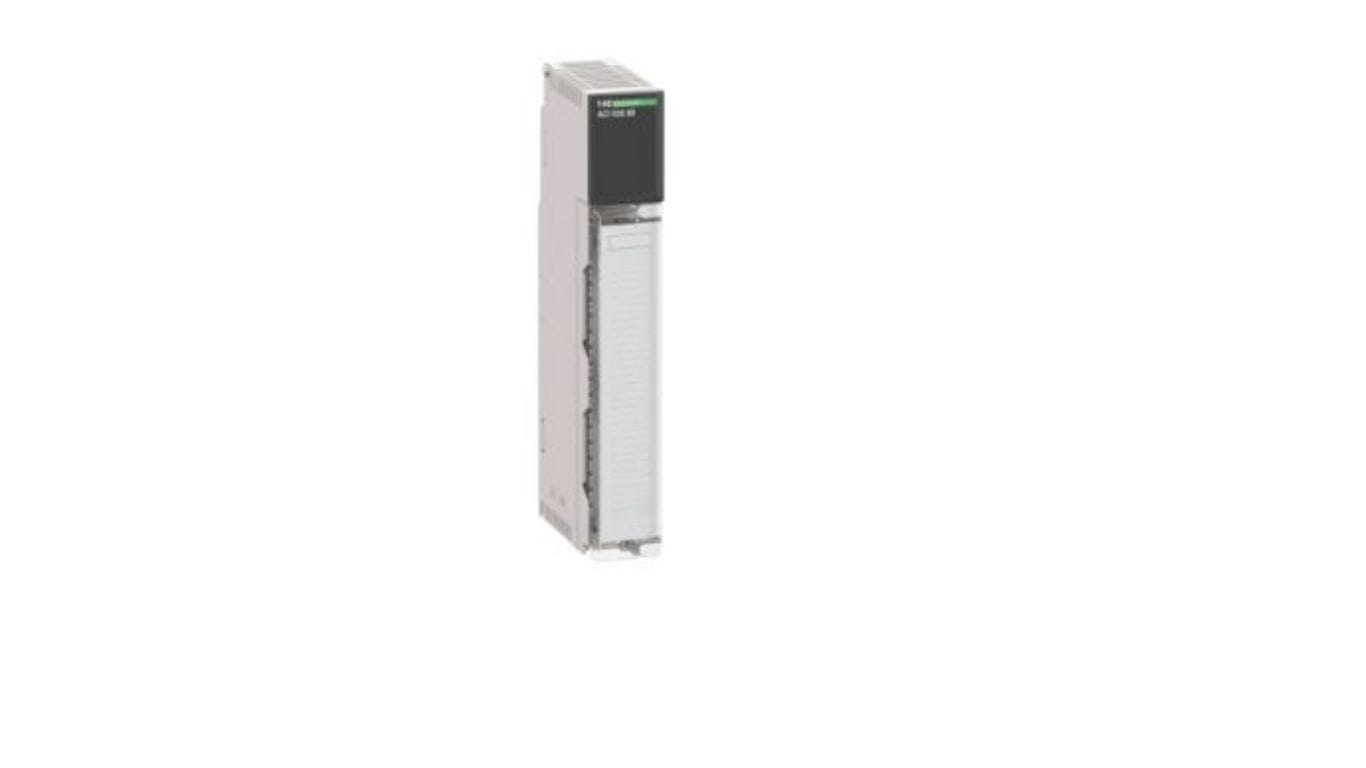
In today’s data-driven industrial landscape, operational visibility into system performance and real-time operations is critical for high productivity and minimal downtime. Solutions like the 140ACI04000 Analog Input Module for Modicon Quantum and the 110CPU61204 Modicon Micro feed essential analog and digital data into control systems, letting operators see what happens at every stage. By managing data flow between sensors, controllers, and human-machine interfaces, facilities improve precision, reduce errors, and lift overall plant efficiency.
Why Operational Visibility Matters in Modern Industrial Systems
Operational visibility is the clarity and accessibility of data generated by machinery, sensors, and automation systems across a production environment. It lets organizations:
- Detect inefficiencies or faults early
- Reduce unplanned downtime
- Improve product quality
- Enhance safety and compliance
- Optimize resource usage
Without real-time operational visibility, plant managers have blind spots that cause slow responses, costly troubleshooting, and missed optimization.
How Interface Solutions Improve Operational Visibility
Interface modules act as translators between the physical world (sensor inputs, actuator signals) and digital control systems such as PLCs, SCADA, and historians. They convert raw analog and digital signals into structured data that can be visualized, logged, and analyzed. The right modules deliver higher precision and faster data rates, reducing noise, distortion, and latency for clearer insight into machinery behavior.
Key Components for High Operational Visibility
Several core components are typically deployed to achieve comprehensive operational visibility:
Analog Input Modules
These gather signals from temperature sensors, pressure transducers, and flow meters, converting analog information into digital values so control systems can monitor temperature, pressure, and vibration precisely.
Digital Input/Output Modules
Discrete I/O modules handle binary information from switches, relays, and sensors — essential for tracking machine states and processing safety signals.
Communication Interfaces
Reliable pathways like industrial Ethernet and fieldbus protocols ensure data travels efficiently from modules to controllers and operator stations. Bottlenecks undermine visibility.
Controllers and Processors
Controllers and processors interpret I/O data to make decisions, operate equipment, and trigger alarms, while serving as aggregation points for visualization and analytics.
Benefits of Enhanced Operational Visibility
1. Improved Decision-Making
Instant access to accurate data means decisions based on current conditions, not estimates — driving better outcomes and faster responses.
2. Reduced Maintenance Costs
Operational visibility enables predictive maintenance: trends like rising vibration or temperature signal failures before they happen, cutting downtime and extending equipment life.
3. Quality Control and Traceability
When every input and output is logged, teams pinpoint the exact cause of defects and apply corrective action.
4. Safety and Compliance
Continuous sensor monitoring detects unsafe conditions and triggers shutdowns or alerts, while logs support ISA-aligned audit trails and regulatory compliance.
Best Practices for Implementing Interface Solutions
5. Assess Data Requirements
Identify which data is critical. Not all signals need the same update frequency or precision, so focus on meaningful metrics.
6. Ensure Robust Signal Integrity
Use proper grounding, shielding, and filtering to reduce noise and inaccuracies in analog signals.
7. Build Scalable Architectures and Integrate Analytics
Choose modular Schneider Electric solutions that grow with your operation, and feed data into dashboards and machine-learning tools for stronger business intelligence.
Comparison Table: Interface Products and Alternatives
| Feature | 140ACI04000 Analog Input | Competitor A | Competitor B Universal I/O | Competitor C High-Density |
|---|---|---|---|---|
| Channel Count | High | Medium | Medium | Very High |
| Analog Resolution | High | Medium | High | High |
| Noise Rejection | Excellent | Good | Good | Very Good |
| Update Speed | Fast | Moderate | Fast | Fast |
| Integrated Diagnostics | Yes | Limited | Yes | Yes |
| Ruggedness | Industrial | Standard | Industrial | Industrial |
| Ease of Integration | Simple | Moderate | Simple | Moderate |
| Expandability | High | Medium | High | Very High |
| Typical Use | Critical monitoring | Standard monitoring | Flexible I/O | High channel count |
When selecting a module, weigh required precision, signal types, and how it fits your overall automation strategy.
Achieving Long-Term Visibility and Control
A successful interface deployment — backed by clear data strategies and proactive design — transforms how a facility operates. By capturing every sensor, actuator, and machine state accurately, organizations reduce risk, improve quality, and maximize throughput. Evaluate hardware like the 140ACI04000 Analog Input Module on precision, speed, and reliable integration. Browse our full automation range to build the operational visibility that drives long-term competitive advantage.
Frequently Asked Questions
What is operational visibility in industrial automation? Operational visibility is the ability to see accurate, real-time data from every sensor, machine, and process in a facility. It removes blind spots so operators can detect faults early, respond quickly, and optimize production.
How do I/O modules improve operational visibility? Analog and digital I/O modules convert raw sensor signals into structured data that controllers and dashboards can display and log. Higher precision and faster update speeds give clearer, more reliable insight into machine behavior.
What is the difference between analog and digital input modules? Analog input modules read continuous signals like temperature, pressure, and flow. Digital (discrete) modules read binary states such as on/off switches and relays. Most plants use both to capture the full picture of operations.
How does operational visibility reduce maintenance costs? It enables predictive maintenance. By tracking trends like rising vibration or temperature, teams can service equipment before it fails, avoiding unplanned downtime and extending asset life.
What should I look for when choosing an interface module? Consider channel count, signal resolution, noise rejection, update speed, built-in diagnostics, environmental ruggedness, and how easily it integrates with your existing PLC or SCADA architecture.