
Industrial Automation Systems: 8 Smart Maintenance Tips
Maintaining industrial automation systems is critical for operational efficiency, minimizing downtime, and extending equipment lifespan. These complex setups rely on controllers, communication cables, sensors, and I/O modules all working together. Neglecting maintenance leads to malfunctions, data loss, and costly delays. With structured routines, performance monitoring, and the correct components, industries keep their automation systems running at peak performance.
Key Components of Industrial Automation Systems
A typical setup combines several interconnected devices that monitor, control, and optimize production. Understanding them is the foundation of effective maintenance.
Controllers and PLCs
Programmable Logic Controllers are the brains of any automation system, processing sensor inputs and executing control programs. Inspecting PLCs and Modicon controllers regularly, updating firmware, and ensuring proper cooling prevents failures.
Communication Networks
Industrial systems move data between controllers, I/O devices, and HMIs. Protecting network integrity, avoiding electromagnetic interference, and watching for signal degradation keeps operations uninterrupted.
Power Supply Units
Stable power is vital. Check power supply units for voltage consistency, overheating, and wear. Surge protection and backups guard against fluctuations.
Wiring and Cables
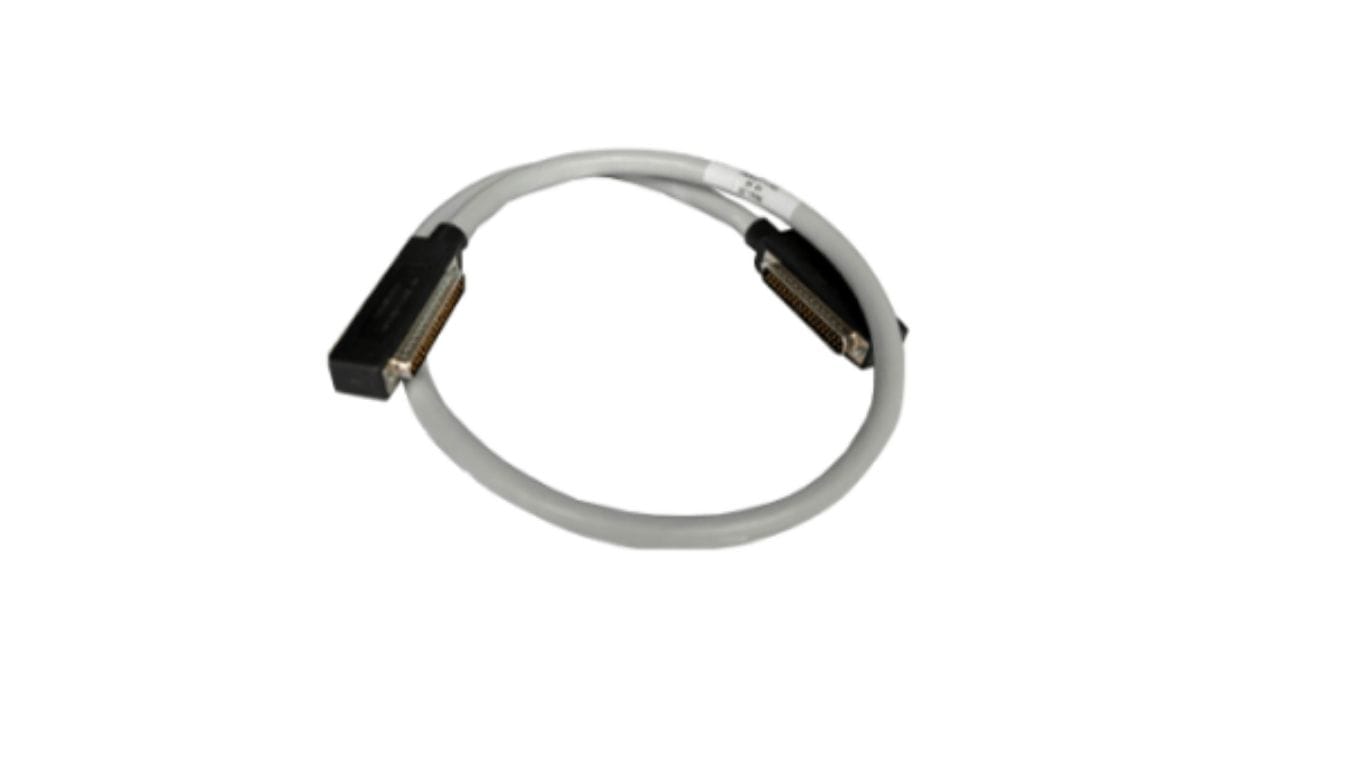
Faulty cables cause communication errors, signal loss, and short circuits. High-quality industrial cabling, such as the 140XCA71706 Modicon Quantum backplane expander cable, maintains connectivity and supports reliable system expansion.
Sensors and Actuators
These connect the digital control system to physical machinery. Routine calibration, inspection, and cleaning keep readings accurate and responsive.
Preventive Maintenance for Industrial Automation Systems
Proactive maintenance is a best practice that minimizes unexpected failures across your industrial automation systems.
1. Scheduled Inspections
Regular checks of controllers, cables, and sensors catch early wear. Documenting results lets teams track trends and anticipate issues, a principle echoed by maintenance authorities like Reliabilityweb.
2. Cleaning and Environmental Control
Dust, moisture, and contaminants degrade performance. Clean enclosures, proper ventilation, and controlled humidity reduce failure risk.
3. Firmware and Software Updates
Keeping PLC firmware, HMI software, and network protocols current ensures compatibility, security, and performance. Manufacturers release updates to fix bugs and add functionality.
4. Monitoring and Diagnostics
Real-time diagnostics flag irregularities early. Metrics like cycle times, network latency, and error rates reveal maintenance needs before they become critical failures.
Troubleshooting Common Issues
Even with prevention, problems arise. Fast troubleshooting reduces downtime.
- Communication failures: Check cables, connectors, and network settings; replacing damaged cables or reseating loose connections fixes most cases.
- Controller malfunctions: Often from corrupted programs, power surges, or hardware faults. Regular backups, proper grounding, and surge protection lower the risk.
- Sensor inaccuracies: Calibrate sensors and verify alignment for accurate measurements.
- Overheating: Ensure cooling fans, heat sinks, and ventilation work correctly to prevent thermal damage.
Best Practices for Maintaining Industrial Automation Systems
Systematic approaches increase efficiency and reduce risk across your industrial automation systems.
5. Standardized Documentation
Detailed records of configurations, schedules, and inspection logs help technicians spot patterns and decide quickly.
6. Staff Training
Ongoing training on components, troubleshooting, and safety — aligned with ISA automation standards — means faster, safer responses.
7. Spare Parts Inventory
Stocking critical spares like PLC modules, communication cables, and power supplies minimizes repair downtime. Browse genuine replacement parts to keep your inventory ready.
8. Collaboration with Experts
Consulting specialists for complex issues ensures repairs follow industry best practices and avoid costly errors.
Conclusion
Maintaining high-performance industrial automation systems takes a comprehensive approach: routine inspections, preventive maintenance, and sound troubleshooting. Caring for controllers, cables, sensors, and power supplies ensures functionality and longevity. Components like the 140CPU43412AC Modicon Quantum processor integrate seamlessly with supporting cables and modules for reliable communication, precise control, and easy expansion. Apply these strategies to maximize efficiency, reduce downtime, and extend the life of your automation systems.
Frequently Asked Questions
How often should industrial automation systems be maintained? Most facilities run scheduled inspections monthly or quarterly, with daily monitoring of key metrics like cycle times and error rates. Critical components such as PLCs, cooling, and power supplies should be checked more frequently based on duty cycle and environment.
What are the most common causes of automation system failure? The leading causes are overheating, damaged or loose cabling, power surges, corrupted PLC programs, and uncalibrated sensors. Most are preventable with cleaning, surge protection, grounding, and routine calibration.
Why is firmware updating part of maintenance? Manufacturers release firmware and software updates to patch bugs, close security gaps, and improve performance. Keeping PLC firmware and HMI software current ensures compatibility and protects the system from known vulnerabilities.
What spare parts should I keep for industrial automation systems? Stock the components most likely to cause downtime if they fail: PLC and CPU modules, I/O modules, communication and backplane cables, and power supplies. Having genuine replacements on hand turns a major outage into a quick swap.
Can I maintain an automation system in-house or do I need experts? Routine inspections, cleaning, calibration, and updates can be handled by trained in-house staff. Complex faults, controller-level repairs, and standards compliance are best handled with specialist support to avoid costly mistakes..
One Comment
Comments are closed.