Industrial Interface: 7 Powerful Features for Smart Automation
A powerful industrial interface is transforming how factories operate, manage production, and maintain efficiency. Modern manufacturing environments rely heavily on advanced digital interfaces that let operators interact with machines quickly and accurately. An industrial interface acts as the bridge between humans and automated systems, enabling real-time monitoring, control, and data visualization across complex operations.
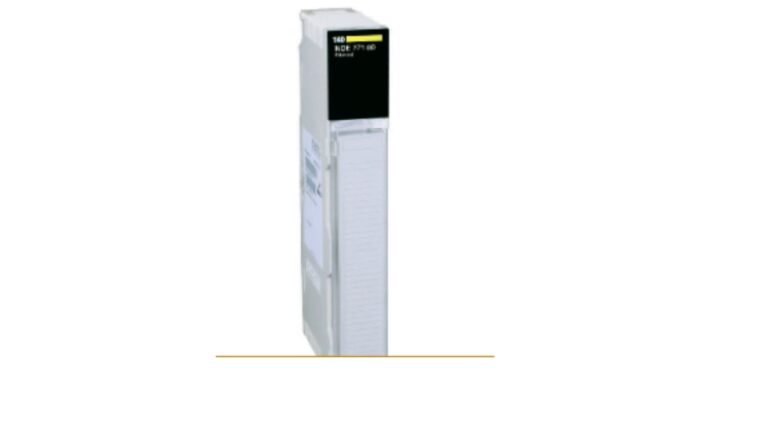
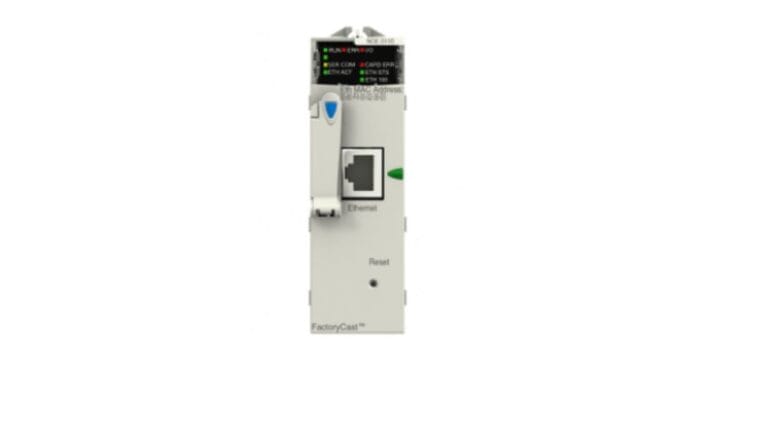
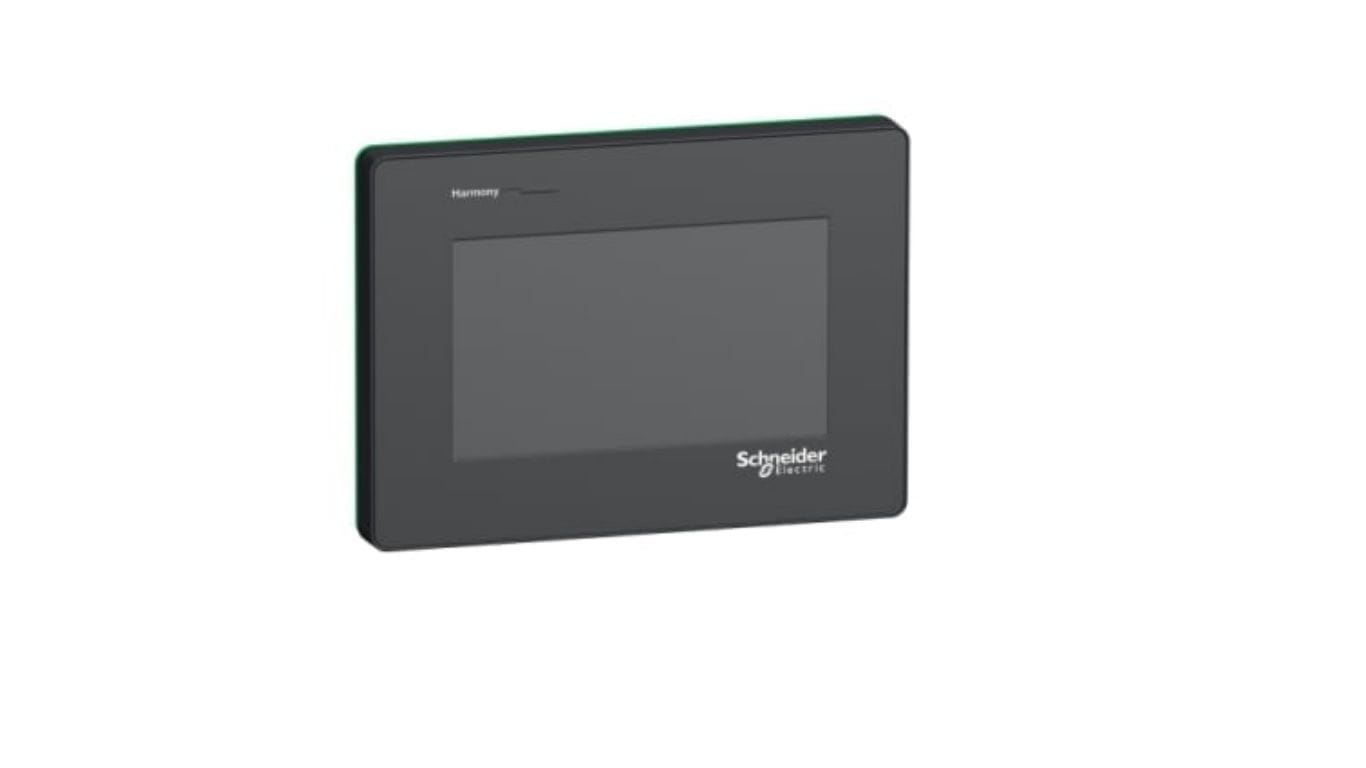
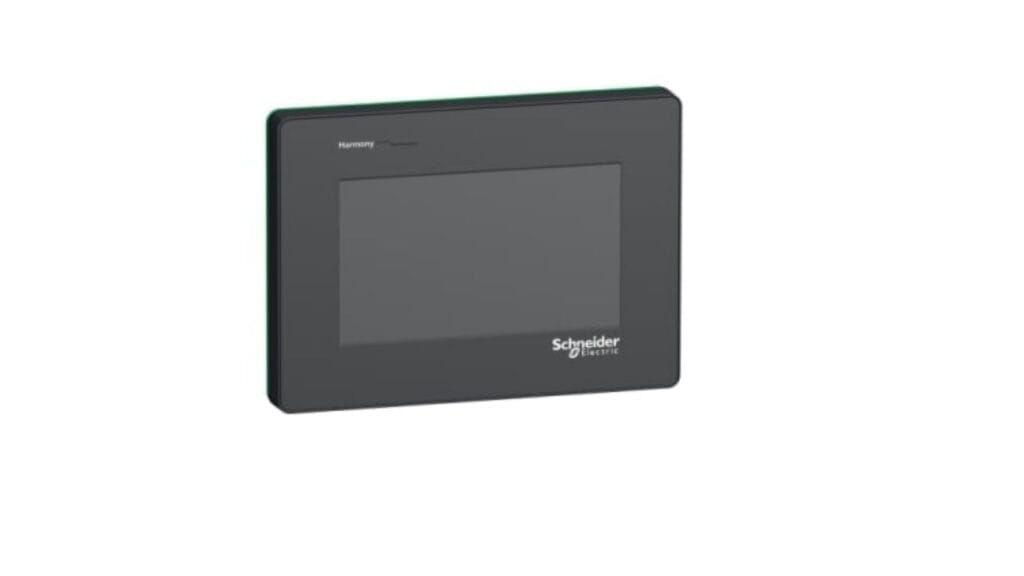
Technologies such as the HMISTM62 – touch panel screen, Harmony ST6 represent modern touchscreen interfaces designed to simplify industrial operations (view the official HMISTM62 specifications), while platforms like the 140DVO85300C Modicon Quantum help manage complex automation processes in large-scale environments. Together they show how a well-designed industrial interface improves productivity, reliability, and control.
The Role of an Industrial Interface in Automation
An industrial interface, commonly known as a Human-Machine Interface (HMI), lets operators interact with industrial equipment through graphical dashboards, touchscreens, and digital controls. These systems enable operators to monitor machine performance, adjust parameters, and respond quickly to system alerts.
In automated facilities, machines generate large volumes of operational data. The industrial interface organizes this information into visual dashboards, charts, and indicators that are easy to read. By providing clear visibility into production processes, it helps reduce errors, improve efficiency, and support better decision-making.
Modern automation environments rely on an industrial interface to coordinate multiple devices, including sensors, controllers, and programmable logic controllers. This integration lets operators run entire production lines from a single screen, increasing productivity and reducing operational complexity.
7 Key Features of a Powerful Industrial Interface
1. Intuitive Touchscreen Technology
Touchscreen control is now a standard feature of any modern industrial interface. These displays let operators control machines with simple touch gestures, replacing mechanical buttons and switches, which improves usability and shortens the learning curve for new operators.
Industrial touchscreens are engineered for demanding environments with dust, vibration, and extreme temperatures, using durable materials and protective surfaces for long-lasting performance.
2. Real-Time Monitoring and Data Visualization
A core strength of any industrial interface is displaying real-time operational data. Operators monitor machine status, production metrics, and alerts through graphical dashboards. Real-time visualization helps teams catch potential issues before they escalate, improving efficiency and reducing unexpected downtime.
3. Customizable User Interfaces
Industrial operations vary widely, so a powerful industrial interface allows full customization of dashboards and control panels. Custom layouts let operators focus on the most critical performance indicators and alerts, improving workflow and tailoring each system to its specific application.
Benefits of an Advanced Industrial Interface
Improved Productivity
An efficient industrial interface lets operators manage machines quickly and accurately. By providing instant access to production data and controls, it reduces delays so processes run more smoothly.
Enhanced Safety and Reliability
Safety is a top priority in any plant. A modern industrial interface provides clear visual alerts, alarms, and notifications, and lets operators shut equipment down safely in emergencies — helping maintain safe working conditions and prevent equipment damage.
Reduced Maintenance Costs
By displaying diagnostic information and performance indicators, an industrial interface supports preventive maintenance. Operators can spot early signs of wear and schedule service before major failures, reducing downtime and extending equipment life.
Integration with Automation Platforms
A modern industrial interface integrates seamlessly with Schneider Electric automation platforms and control systems, letting machines, controllers, and monitoring systems share data efficiently. This gives operators centralized control over many machines at once, improving coordination across production lines and supporting remote monitoring, predictive maintenance, and industrial IoT connectivity.
Industrial HMI Product Comparison Table
The following table compares common industrial HMI solutions and their competitors.
| Product / Interface | Type | Display Technology | Typical Use | Key Features |
|---|---|---|---|---|
| HMISTM62 – Harmony ST6 | Industrial HMI | TFT LCD Touchscreen | Machine control & monitoring | Compact, 4″ wide touchscreen control |
| Harmony ST6 range | Operator Panel | Touch Display | Factory automation | User-friendly, real-time visualization |
| Siemens SIMATIC HMI | HMI System | Industrial Touchscreen | Large production systems | High integration with automation software |
| Mitsubishi GOT Series | Industrial HMI | Advanced touch display | Manufacturing automation | Fast response, durable design |
| Omron NA Series | Smart HMI Panel | Multi-touch display | Smart factory environments | Advanced connectivity & visualization |
| Advantech HMI Panels | Display Systems | Industrial touchscreen | IoT & automation systems | Rugged, industrial connectivity |
Major automation companies such as Siemens, Mitsubishi Electric, Omron, and ABB produce advanced HMI systems for a wide range of applications.
Industrial Interface Durability and Design
Industrial environments demand hardware that survives harsh conditions, so every rugged industrial interface uses sealed enclosures and protective screens to resist dust, moisture, vibration, and temperature swings. Many feature long-lasting backlights, durable touch panels, and high-resolution displays for clear visibility.
Ergonomic design matters too. Clear visual layouts, responsive touch controls, and readable graphics reduce operator fatigue during long shifts and keep productivity high.
Future Trends in Industrial Interface Technology
As automation evolves, the industrial interface is becoming more intelligent. Future systems are expected to add artificial intelligence, advanced analytics, and tighter device-to-device connectivity. Cloud-based monitoring will let operators access production data remotely, while predictive analytics will flag equipment failures before they happen — improving decision-making and helping companies optimize manufacturing.
Conclusion
Industrial automation depends on efficient communication between humans and machines. Touch-based systems like the HMISTM62 Harmony ST6 and large-scale platforms like the Modicon Quantum show how the right industrial interface simplifies control and monitoring. By combining intuitive design, real-time data, and durable construction, a powerful industrial interface remains central to efficiency, safety, and productivity in modern automation. Browse our full range of industrial HMI panels to find the right fit for your system.
Frequently Asked Questions
What is an industrial interface? An industrial interface, or Human-Machine Interface (HMI), is the screen and control system operators use to monitor and run industrial equipment. It turns raw machine data into readable dashboards, alerts, and touch controls, acting as the bridge between operators and automated systems.
What is the difference between an HMI and a PLC? A PLC (programmable logic controller) is the “brain” that executes control logic, while an industrial interface (HMI) is the “face” operators use to view and adjust that logic. The HMI displays data and accepts input; the PLC processes it and drives the machinery.
Which industrial interface is best for small machines? Compact panels like the HMISTM62 Harmony ST6 are ideal for simple or space-limited machines, offering a 4-inch touchscreen, real-time visualization, and easy mounting. For larger systems, a full Modicon Quantum platform is a better fit.
How long does an industrial HMI last? A quality industrial interface built with sealed enclosures and durable touch panels typically runs for 7–10+ years in harsh environments, depending on duty cycle, temperature, and maintenance. Preventive maintenance and genuine replacement parts extend that lifespan significantly.
Can an industrial interface connect to the cloud? Yes. Modern industrial interfaces support remote monitoring, predictive analytics, and industrial IoT connectivity, letting operators access production data and alerts from anywhere while keeping local control on the factory floor.