Advanced Industrial Control Systems for Modern Automation
Introduction to Advanced Industrial Control Systems
Advanced industrial control systems are the foundation of modern automation and smart manufacturing. These systems combine hardware, software, sensors, controllers, and communication networks to manage complex industrial processes with precision and reliability. In today’s competitive industrial environment, companies are rapidly moving from manual operations to fully automated systems that ensure higher productivity, improved safety, and reduced operational costs.
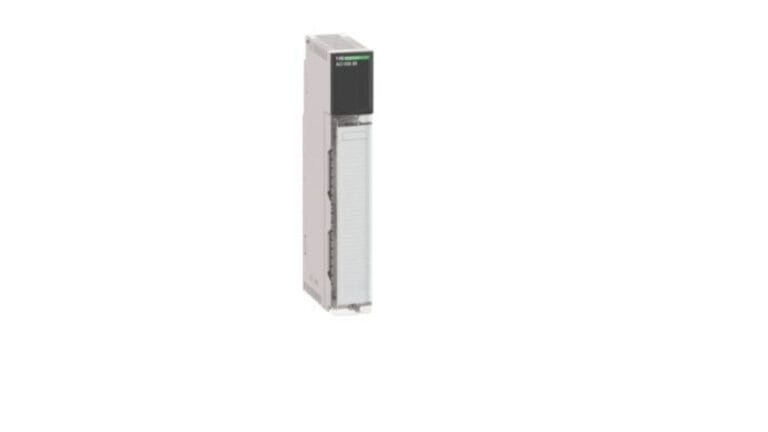
The keyword 140avo02000 is commonly linked with advanced automation modules and industrial control components used in modern control architectures. These types of systems are designed to support scalable, flexible, and intelligent industrial operations, making them essential for Industry 4.0 and future smart factories.
Why Industrial Automation Matters Today
Industrial automation is no longer optional. It has become a necessity for companies that want to remain competitive. Automated systems reduce dependency on manual labor, improve production speed, and ensure consistent product quality. At the same time, they help industries manage complex operations with minimal errors.
Modern industrial control systems also support real-time monitoring and data analysis. This allows operators to make quick decisions based on live information from machines and processes.
Core Architecture of Industrial Control Systems
Industrial control systems are built on a layered architecture that integrates multiple technologies and devices. Each layer plays a specific role in ensuring smooth and efficient operation.
Field Level Devices
Field devices include sensors and actuators that interact directly with physical processes. Sensors collect data such as temperature, pressure, flow rate, and speed, while actuators perform actions like opening valves or controlling motors.
Control Level Systems
The control level consists of programmable logic controllers (PLCs), distributed control systems (DCS), and industrial computers. These devices process data from field devices and execute control logic to maintain desired system performance.
Supervisory Level Systems
This level includes SCADA (Supervisory Control and Data Acquisition) systems and HMIs (Human Machine Interfaces). These systems provide visualization, monitoring, and control capabilities for operators.
Enterprise Level Integration
At the highest level, industrial systems are integrated with business management systems such as ERP (Enterprise Resource Planning). This enables data flow between production and business operations.
Key Components of Modern Automation Systems
Modern automation systems rely on several essential components that work together to ensure smooth operation and high efficiency.
Programmable Logic Controllers (PLCs)
PLCs are the backbone of industrial automation. They execute control instructions, process inputs, and control outputs in real time. Their high reliability and fast processing make them ideal for industrial environments.
Human Machine Interfaces (HMIs)
HMIs provide a graphical interface for operators to interact with machines. They display system status, alarms, trends, and performance data in an easy-to-understand format.
Sensors and Transducers
Sensors are responsible for collecting real-world data. They convert physical parameters into electrical signals that can be processed by controllers.
Industrial Communication Networks
Communication systems ensure smooth data exchange between devices. Common protocols include Modbus, Profibus, Ethernet/IP, and Profinet.
Industrial PCs and Edge Devices
These devices handle advanced processing tasks such as data analytics, visualization, and edge computing closer to the production line.
Working Principle of Advanced Industrial Control Systems
Industrial control systems operate through continuous data acquisition, processing, and feedback control mechanisms.
Data Collection and Monitoring
Sensors continuously collect data from machines and processes. This data is sent to controllers for analysis.
Decision-Making Process
Controllers analyze incoming data and compare it with predefined setpoints. Based on this comparison, they generate control signals.
Actuation and Control Execution
Actuators receive signals from controllers and perform physical actions such as starting motors, adjusting valves, or regulating speed.
Feedback Loop Mechanism
Feedback loops ensure system stability. The output is continuously monitored and adjusted to match desired performance levels.
Benefits of Advanced Industrial Control Systems
Industrial automation provides numerous benefits that significantly improve industrial operations.
Increased Productivity
Automation increases production speed and efficiency by reducing manual intervention and optimizing machine performance.
Improved Product Quality
Consistent control ensures uniform product quality across production batches.
Enhanced Safety
Automated systems reduce human exposure to hazardous environments and dangerous operations.
Reduced Operational Costs
Efficient resource utilization and reduced downtime help lower overall production costs.
Predictive Maintenance
Modern systems use data analytics and machine learning to predict equipment failures before they occur, preventing costly breakdowns.
Applications of Industrial Control Systems
Advanced industrial control systems are widely used across different industries due to their flexibility and efficiency.
Manufacturing Industry
Used in assembly lines, robotics, packaging systems, and quality control operations.
Oil and Gas Industry
Used for drilling operations, pipeline monitoring, and refinery automation.
Energy and Power Sector
Helps in power generation, distribution, and load management systems.
Water Treatment Plants
Used for filtration, chemical dosing, and water flow control.
Pharmaceutical Industry
Ensures precise control of production processes and maintains strict quality standards.
Role of Digital Transformation in Industrial Automation
Digital transformation has significantly changed how industries operate by integrating smart technologies into automation systems.
Industrial Internet of Things (IIoT)
IIoT connects machines, devices, and systems to enable real-time monitoring and data exchange across the entire industrial network.
Artificial Intelligence Integration
AI enhances decision-making by analyzing large amounts of data and identifying patterns that improve system performance.
Cloud Computing in Automation
Cloud platforms allow industries to store, process, and analyze large datasets remotely, improving scalability and accessibility.
Big Data Analytics
Big data helps industries optimize performance by analyzing trends, identifying inefficiencies, and improving production strategies.
Cybersecurity in Industrial Control Systems
As industrial systems become more connected, cybersecurity has become a critical concern.
Threats to Industrial Systems
Cyberattacks can target control systems, disrupt operations, or steal sensitive data.
Security Measures
Industries implement firewalls, encryption, access control, and network segmentation to protect systems.
Importance of Secure Communication
Secure communication protocols ensure that data transmitted between devices cannot be intercepted or modified.
Future Trends in Industrial Automation
The future of industrial automation is driven by intelligent technologies and increasing system integration.
Smart Factories
Smart factories use fully connected systems to automate production with minimal human intervention.
Autonomous Systems
Future systems will be capable of self-learning and self-correction using AI and machine learning.
Robotics and Automation
Advanced robotics will handle complex tasks with higher precision and flexibility.
Edge Computing
Edge computing will process data closer to machines, reducing latency and improving response times.
Importance of Keyword Integration in Automation Systems
The keyword 140avo02000 represents advanced industrial automation modules and control components used in high-performance systems. These types of components are essential in building reliable and scalable automation architectures that support modern industrial demands.
Conclusion
Advanced industrial control systems are transforming the way industries operate by introducing automation, intelligence, and connectivity into every stage of production. From sensors and PLCs to AI-driven analytics and cloud integration, these systems are creating smarter, safer, and more efficient industrial environments.
As industries continue to evolve, technologies like IIoT, artificial intelligence, and predictive analytics will further enhance the capabilities of industrial automation. The integration of systems like 140avo02000 reflects the growing demand for highly reliable and intelligent control solutions.
In the future, industrial control systems will not only automate processes but also make autonomous decisions, leading to fully self-optimizing industrial ecosystems that redefine global manufacturing standards.
Frequently Asked Questions (FAQs)
What are advanced industrial control systems?
They are automated systems that use controllers, sensors, and software to manage industrial operations efficiently.
Why are industrial control systems important in modern automation?
They improve efficiency, reduce costs, enhance safety, and ensure consistent product quality.
Where are industrial control systems used?
They are used in manufacturing, energy, oil and gas, pharmaceuticals, and water treatment industries.