
Motion Feedback: 6 Proven Keys to Precise Control
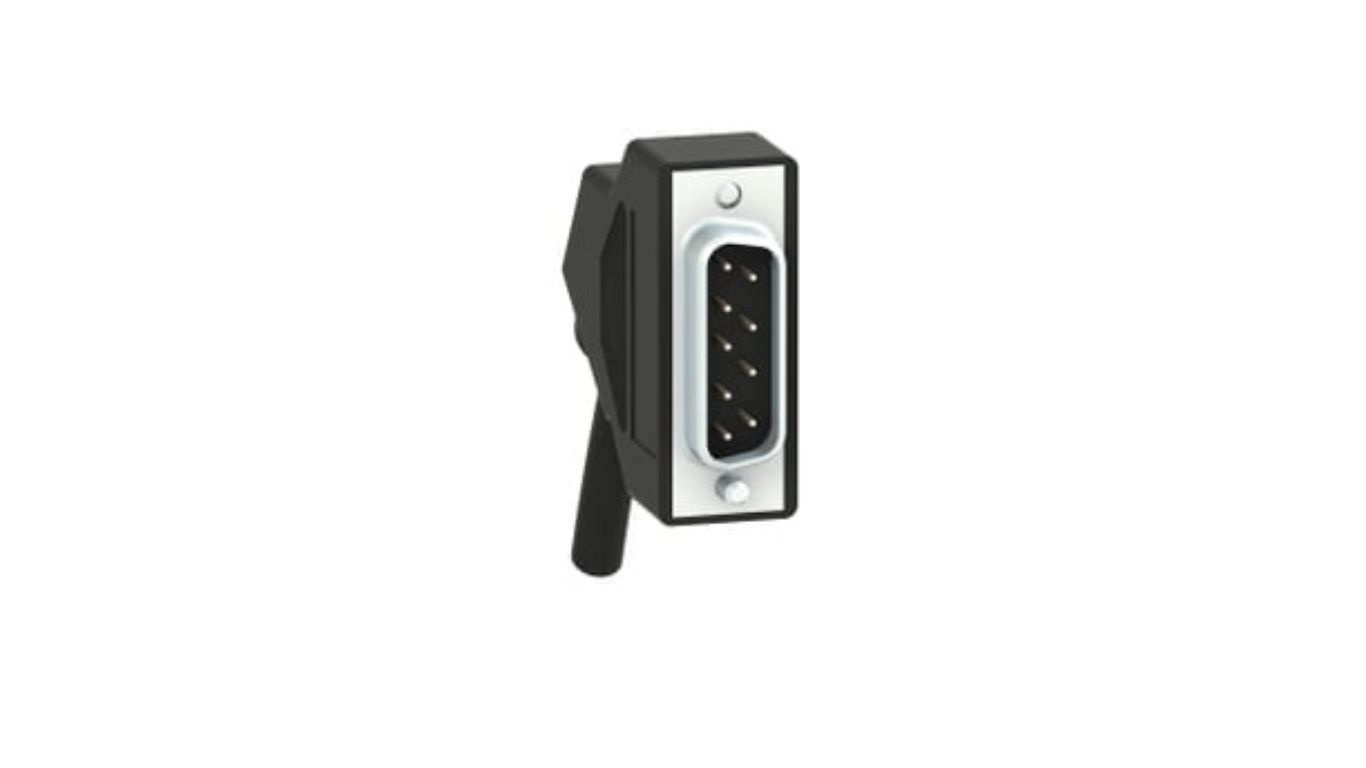
High-performance motion feedback is a cornerstone of modern automation systems. As industrial processes become more complex and demand higher precision, accurate feedback mechanisms are essential for maintaining efficiency, reliability, and safety. Solutions such as the BMXEAE0300 SSI encoder interface module enable machines to monitor position, speed, and direction in real time, allowing automated systems to respond instantly to changes and maintain optimal performance. Here are 6 proven keys to high-performance motion feedback control.
Why Motion Feedback Matters in Automation
Motion feedback systems provide continuous data about mechanical movement, ensuring machines operate within defined parameters. Without accurate feedback, automated processes risk inefficiencies, mechanical wear, or system failure. Precise feedback allows controllers to make rapid corrections during operation — especially important in manufacturing, robotics, and material handling, where even minor positioning errors can lead to defects or downtime — and it keeps output consistent across production cycles, reducing variability and improving product quality.
1. Sensors and Encoders
Sensors and rotary encoders are responsible for detecting motion parameters such as position, rotation, or speed. They convert mechanical movement into electrical signals that control systems can interpret, making them the starting point of any feedback system. The accuracy of these devices directly determines how precisely the rest of the system can respond.
2. Interface Modules
Interface modules act as the bridge between sensors and controllers. They ensure accurate signal transmission, data integrity, and synchronization across channels, which makes them essential for multi-axis feedback applications where several signals must be processed together without timing errors.
3. Controllers and Processing Units
Controllers analyze incoming feedback data and adjust system outputs accordingly. Fast processing speeds and real-time response capabilities are critical for maintaining smooth and accurate motion feedback control, since any delay between reading a signal and acting on it can introduce positioning errors.
4. Multi-Channel, High-Speed Capability
Modern encoder interface technology has evolved to meet demand for higher resolution and faster data processing. Multi-channel interfaces process multiple SSI encoder signals simultaneously, which is particularly useful in complex systems requiring synchronized motion across several axes. Improved communication protocols and signal processing enable rapid feedback transmission, reducing latency and enhancing responsiveness in high-speed applications.
5. Noise Resistance and Signal Integrity
Industrial settings are electrically noisy, with motors, drives, and high-voltage equipment all contributing interference. Modern interfaces are designed to minimize signal disruption through enhanced shielding and digital signal processing, helping maintain accurate feedback even in demanding environments. Clean signals mean controllers act on real data rather than noise-induced errors.
6. Compatibility, Installation, and Scalability
Integration remains a critical consideration when designing or upgrading motion control. Sensors, interface modules, and controllers must be compatible, or mismatched components can cause data errors, signal loss, or performance degradation. Proper installation, wiring, and calibration are vital for accurate feedback, and selecting scalable Modicon M340 components that support future expansion helps protect long-term investment as production demands evolve.
Applications Requiring Motion Feedback
Motion feedback control is essential across many industrial applications. Robotic systems rely heavily on accurate feedback to perform precise movements, ensuring smooth operation and collision avoidance. In packaging and material handling, synchronized motion keeps conveyors, sorters, and actuators working together seamlessly. CNC and precision manufacturing equipment require exact positioning and repeatability, where feedback control allows machines to maintain tight tolerances and produce consistent results.
Conclusion
High-performance motion feedback control is essential for achieving precision, efficiency, and reliability in modern automation systems. Advances in encoder interfaces, data transmission, and system integration continue to push the boundaries of what automated machinery can achieve. Supporting infrastructure such as the BMXXBC015K backplane extension cable for Modicon M340 plays a vital role in maintaining reliable communication and scalable architecture. By adopting modern feedback solutions and following best practices, industries can ensure smooth motion control and long-term operational success. Browse our encoder interfaces and M340 modules to upgrade your motion feedback.
What is motion feedback control?
Motion feedback control uses sensors and encoders to continuously measure a machine’s position, speed, and direction, then feeds that data to a controller that adjusts movement in real time. It keeps automated motion precise, smooth, and within tolerance.
What does an encoder interface module do?
An encoder interface module bridges encoders and the controller, converting and synchronizing feedback signals so the controller reads them accurately. Multi-channel models like the BMXEAE0300 handle several axes at once for synchronized, high-precision motion.
How is signal integrity maintained in noisy environments?
Modern encoder interfaces use enhanced shielding and digital signal processing to reject electrical noise from motors and drives. Proper grounding, shielded cabling, and correct installation further protect feedback accuracy on the factory floor.
Where is high-performance motion feedback used?
It’s essential in robotics and automated assembly for precise positioning and collision avoidance, in packaging and material handling for synchronized motion, and in CNC and precision manufacturing where exact, repeatable positioning maintains tight tolerances.

One Comment
Comments are closed.