Next Level Automation Enhancing Productivity Across Complex Industrial Operations Worldwide

Industrial operations are becoming increasingly complex due to rising production demands, global competition, and the need for improved efficiency. Companies across different industries are adopting advanced technologies to optimize processes, reduce downtime, and achieve higher productivity. Next Level Automation Enhancing Productivity Across Complex Industrial Operations Worldwide represents the transformation of traditional manufacturing environments into intelligent, connected, and highly efficient industrial ecosystems.

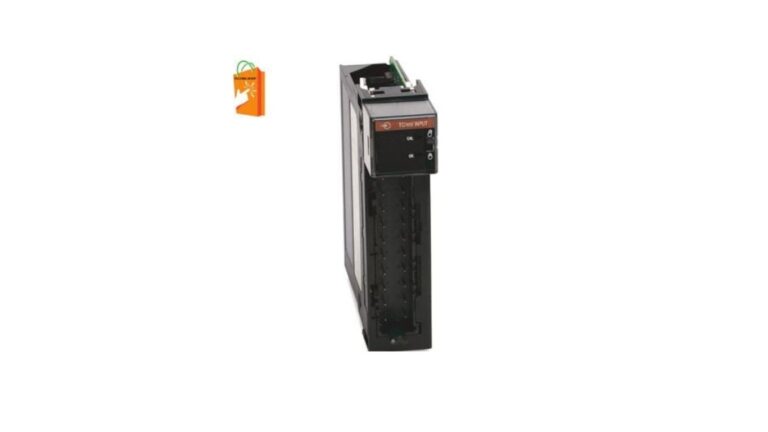
Modern automation solutions combine advanced control systems, industrial communication networks, data analytics, and smart devices to improve operational performance. Technologies such as PLCs, HMIs, remote monitoring systems, and intelligent controllers are helping industries achieve greater accuracy and reliability. Components like the bmep586040 support advanced industrial automation environments by enabling efficient control and management of complex operations.

The Growing Importance of Industrial Automation

Industrial automation has become a fundamental requirement for businesses aiming to maintain productivity and competitiveness. Manual processes often involve limitations such as human error, inconsistent performance, and slower production cycles. Automation eliminates many of these challenges by introducing precise control, real-time monitoring, and automated decision-making.

Improving Efficiency Through Smart Automation

Next-generation automation systems allow industries to monitor equipment performance, analyze operational data, and make improvements quickly. Automated systems can identify potential issues before failures occur, helping companies reduce maintenance costs and avoid unexpected production interruptions.

Smart automation also improves resource utilization by controlling energy consumption, optimizing workflows, and ensuring that machinery operates at maximum efficiency. This results in higher productivity while maintaining quality standards.

Role of Advanced Control Systems in Modern Industries

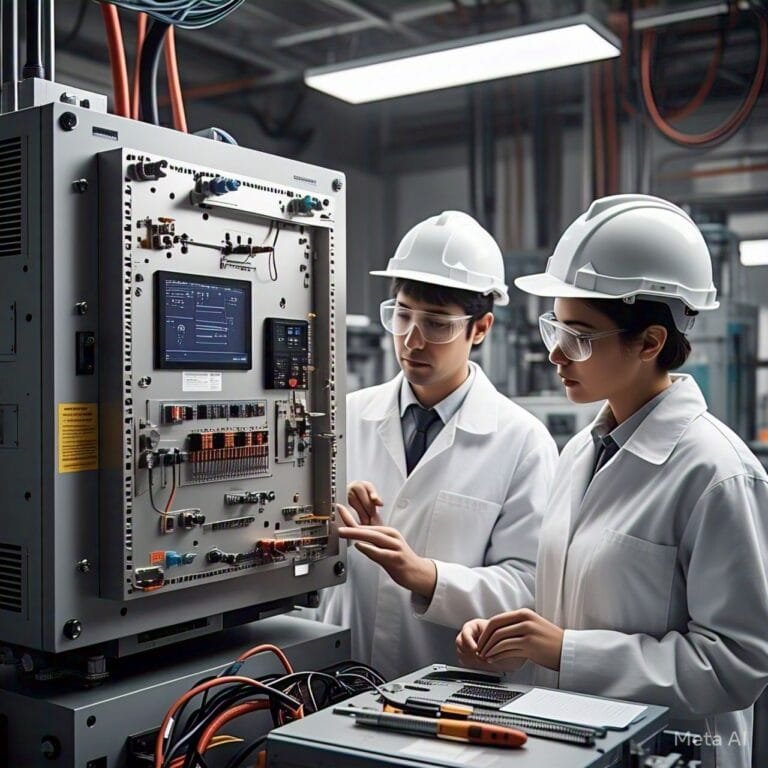
Control systems are the foundation of industrial automation. They connect machines, sensors, and software platforms to ensure smooth operation across manufacturing facilities. Programmable Logic Controllers (PLCs) and Human Machine Interfaces (HMIs) play a crucial role in controlling industrial processes.

PLC and HMI Technologies Driving Productivity

PLCs provide reliable control for automated machinery, while HMIs allow operators to monitor and manage industrial processes through user-friendly interfaces. Together, these technologies improve visibility, reduce operational complexity, and increase production accuracy.

Advanced modules and automation components, including solutions such as bmep586040, help industries create flexible and scalable control architectures. These systems can support industries ranging from manufacturing and energy to transportation and infrastructure.

How Automation Transforms Complex Industrial Operations

Complex industrial environments require reliable systems capable of managing multiple processes simultaneously. Next-level automation provides the intelligence needed to coordinate different operations while maintaining safety and efficiency.

Reducing Downtime and Increasing Reliability

One of the biggest advantages of advanced automation is predictive maintenance. Instead of waiting for equipment failure, automated systems collect performance data and identify warning signs early. This approach allows maintenance teams to take preventive action and minimize production losses.

Automation also improves equipment reliability by ensuring consistent operating conditions. Machines can perform repetitive tasks with greater precision, reducing errors and improving overall product quality.

Enhancing Safety in Industrial Environments

Safety is a major priority in industries involving heavy machinery, hazardous materials, and complex processes. Automated systems help protect workers by controlling dangerous operations and reducing direct human involvement in risky tasks.

Modern automation platforms include safety monitoring features that detect abnormal conditions and respond quickly. This creates safer workplaces while maintaining high production levels.

The Impact of Digital Transformation on Industrial Automation

Digital transformation is accelerating the adoption of intelligent automation worldwide. Industries are integrating technologies such as the Industrial Internet of Things (IIoT), cloud connectivity, artificial intelligence, and real-time analytics to improve decision-making.

Creating Smarter and Connected Factories

Smart factories use interconnected systems to collect and analyze operational information. This data helps businesses improve production planning, optimize supply chains, and increase overall efficiency.

Connected automation solutions enable managers to access important information from anywhere, allowing faster responses to changing market demands. This level of flexibility is becoming essential for modern industrial operations.

Future Trends in Next-Level Automation

The future of industrial automation will focus on greater intelligence, flexibility, and connectivity. Artificial intelligence and machine learning will continue improving automation systems by enabling them to learn from operational data and make better decisions.

Moving Toward Fully Intelligent Industrial Ecosystems

Future automation environments will combine robotics, advanced analytics, and smart control technologies to create self-optimizing industrial systems. These developments will help industries achieve higher productivity while reducing operational costs.

Solutions involving advanced automation components, including bmep586040, will continue supporting industries as they transition toward more intelligent and efficient production models.

Conclusion

Next Level Automation Enhancing Productivity Across Complex Industrial Operations Worldwide is reshaping how industries operate by improving efficiency, reliability, safety, and decision-making. Advanced control systems, intelligent technologies, and connected automation platforms are enabling businesses to overcome modern industrial challenges.

As industries continue to evolve, automation will remain a key driver of productivity and innovation. By adopting advanced solutions and integrating intelligent control technologies, companies can build smarter operations prepared for the demands of the future.

FAQs

What is next-level automation?

Next-level automation uses advanced technologies like PLCs, HMIs, and smart control systems to improve industrial efficiency and productivity.

How does automation increase productivity?

Automation reduces manual work, minimizes errors, improves accuracy, and helps industries achieve faster and more reliable operations.

What is the role of bmep586040 in automation?

The bmep586040 supports advanced industrial control applications by helping improve system performance, reliability, and operational efficiency.

Similar Posts