Exploring Reliable Methods for Managing Electrical Signals in Control Systems

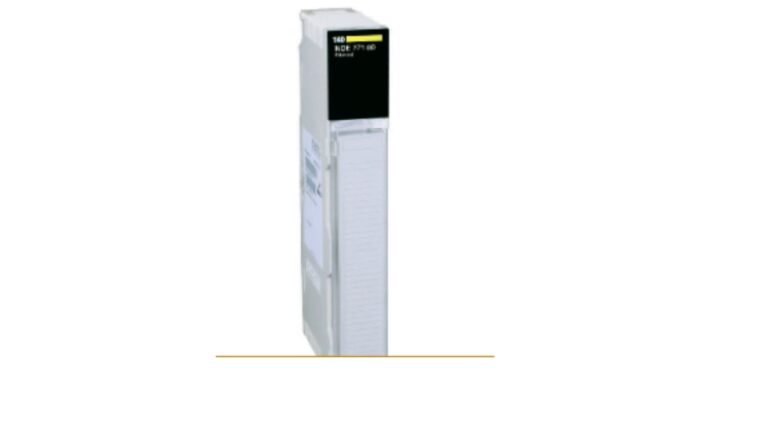
Modern industrial environments depend heavily on precise and stable electrical signal management. From factory automation lines to energy distribution networks, the ability to control, transmit, and interpret signals accurately determines system performance, safety, and efficiency. In advanced automation setups, even minor signal disturbances can lead to production delays or system faults. This is why engineers continuously focus on improving methods for managing electrical signals in control systems, especially when integrating components like 140cra9320 modules in complex architectures.
Understanding Electrical Signal Management in Control Systems
Electrical signal management refers to the process of controlling how analog and digital signals are generated, transmitted, processed, and interpreted within a control system. These signals carry critical information such as temperature, pressure, motor speed, and system status.
In industrial automation, signals must remain stable despite harsh conditions like electromagnetic interference, voltage fluctuations, and long cable distances. A system like 140cra9320 plays a key role in ensuring that signal communication between field devices and controllers remains reliable and accurate.
Importance of Reliable Signal Handling in Industrial Automation
Reliable signal handling is essential because modern automation systems operate in real time. Any delay or distortion can lead to operational inefficiencies or safety hazards.
Preventing Data Loss and Signal Distortion
One of the primary concerns in signal management is avoiding data loss. Electrical noise from motors, transformers, and power lines can distort signals. Proper shielding, grounding, and isolation techniques help maintain signal clarity. Devices such as 140cra9320 are designed to support stable communication even in electrically noisy environments.
Ensuring System Synchronization
Control systems rely on synchronized data exchange between sensors, controllers, and actuators. If signals are delayed or corrupted, synchronization fails, resulting in inaccurate system responses. Reliable signal management ensures that all components operate in harmony.
Key Methods for Managing Electrical Signals Effectively
To maintain high performance in control systems, engineers use several proven techniques for signal management.
Signal Conditioning Techniques
Signal conditioning involves modifying raw electrical signals into a form suitable for processing. This may include amplification, filtering, and conversion. For example, weak analog signals from sensors are often amplified before being sent to PLC modules like 140cra9320 for processing.
Shielding and Grounding Practices
Electromagnetic interference (EMI) is a major challenge in industrial environments. Proper cable shielding and grounding techniques reduce noise and protect signal integrity. Shielded twisted pair cables are commonly used in high-interference areas.
Isolation Between Circuits
Electrical isolation prevents unwanted voltage transfer between different parts of a system. Optical isolators and transformers are often used to protect sensitive control components. This ensures that faults in one section do not propagate through the entire system.
Role of Communication Modules in Signal Reliability
Communication modules act as intermediaries between field devices and central controllers. They ensure that data is transmitted accurately and efficiently across networks.
Enhancing Data Transmission Accuracy
Modules such as 140cra9320 help convert and relay signals without introducing errors. This improves overall system accuracy and reduces downtime caused by miscommunication between devices.
Supporting Industrial Network Integration
Modern factories often use multiple communication protocols. Reliable modules ensure compatibility between different systems, enabling seamless integration of sensors, actuators, and PLCs into a unified network.
Common Challenges in Electrical Signal Management
Despite technological advancements, several challenges still affect signal reliability in control systems.
Electromagnetic Interference (EMI)
EMI from heavy machinery and power lines can disrupt signal transmission. This is one of the most common issues in industrial environments and requires careful system design.
Long-Distance Signal Degradation
As signals travel over long distances, they may weaken or become distorted. Signal boosters and repeaters are often used to maintain strength and clarity.
Environmental Factors
Temperature extremes, humidity, and vibration can also affect signal quality. Industrial-grade components like 140cra9320 are designed to withstand such harsh conditions.
Best Practices for Improving Signal Reliability
Implementing best practices can significantly enhance the reliability of electrical signal management systems.
Regular System Maintenance
Routine inspection of cables, connectors, and modules ensures that potential issues are identified early. Dust, corrosion, or loose connections can all impact signal quality.
Proper System Design
Good system design minimizes cable length, reduces interference sources, and ensures optimal placement of control modules. Engineers often simulate signal flow before installation.
Use of High-Quality Components
Using industrial-grade components such as 140cra9320 improves durability and reduces the risk of system failure. High-quality hardware ensures consistent performance under demanding conditions.
Future Trends in Electrical Signal Management
As automation evolves, signal management systems are becoming more intelligent and adaptive.
Integration with Smart Monitoring Systems
Future systems will include real-time monitoring of signal quality, allowing predictive maintenance and faster fault detection.
Increased Use of Digital Communication
Analog systems are gradually being replaced by digital communication protocols that offer higher accuracy and resistance to noise.
AI-Based Signal Optimization
Artificial intelligence will play a role in analyzing signal patterns and automatically adjusting system parameters for optimal performance.
Conclusion
Effective management of electrical signals is essential for the stability and efficiency of modern control systems. By applying proper conditioning, shielding, isolation, and maintenance practices, industries can significantly improve system performance. Components like 140cra9320 contribute to reliable data transmission and robust automation infrastructure. As technology advances, smarter and more resilient signal management methods will continue to shape the future of industrial control systems.
FAQs
What is electrical signal management in control systems?
Electrical signal management refers to the control, transmission, and processing of electrical signals in automation systems to ensure accurate communication between devices.
Why is shielding important in signal management?
Shielding protects electrical signals from electromagnetic interference, which can distort data and reduce system reliability.
How does 140cra9320 improve system performance?
The 140cra9320 module helps ensure stable and accurate signal communication between field devices and controllers, improving overall system reliability and efficiency.